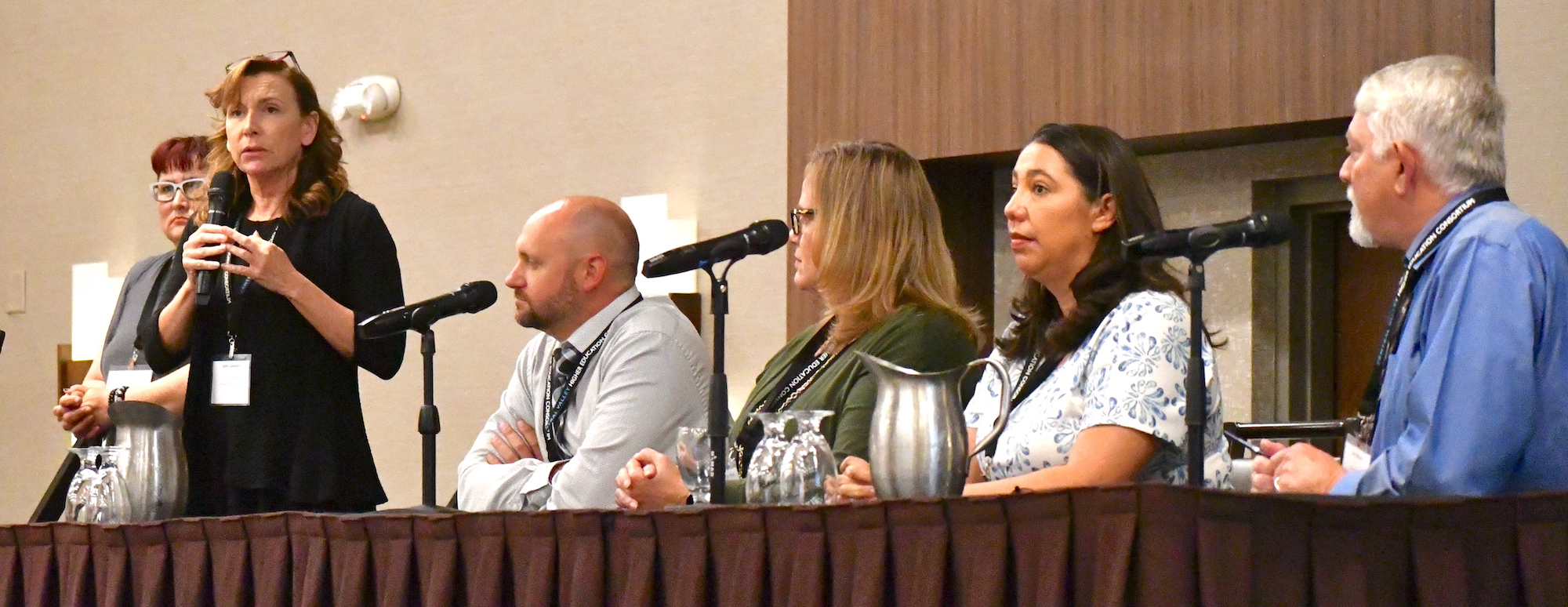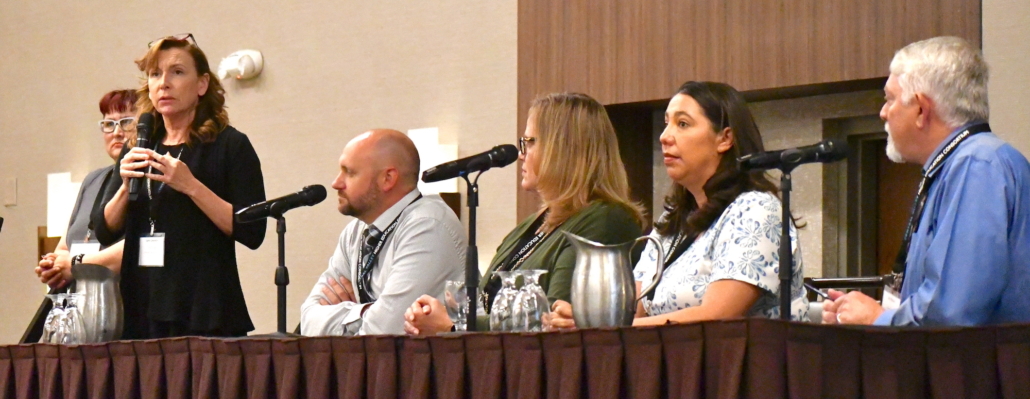
The West Hills Community College District (WHCCD), announced today the retirement of Chancellor Dr. Kristin Clark  effective July 2024. For the past two years, Chancellor Clark has served as chair of the Central Valley Higher Education Consortium Board of Directors, which is made up of the chancellors, presidents and campus directors of 28 institutions of higher education in the region’s nine-county area. She also served on the board during her term as president of West Hills College Lemoore prior to the WHCCD chancellorship. The West Hills Community College District will soon initiate a search for a new chancellor. Dr. Benjamín Durán, CVHEC executive director, issued the following statement.
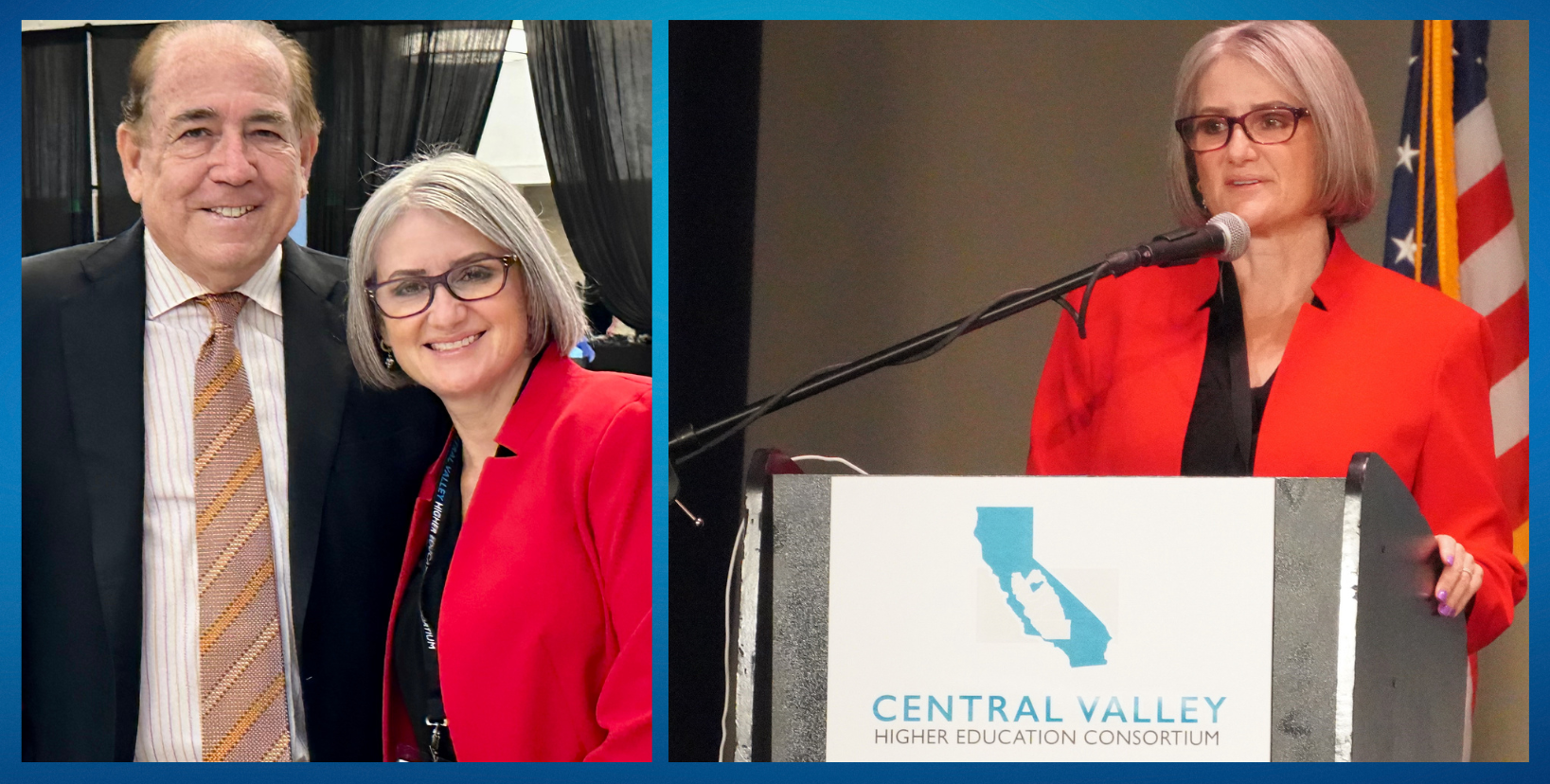
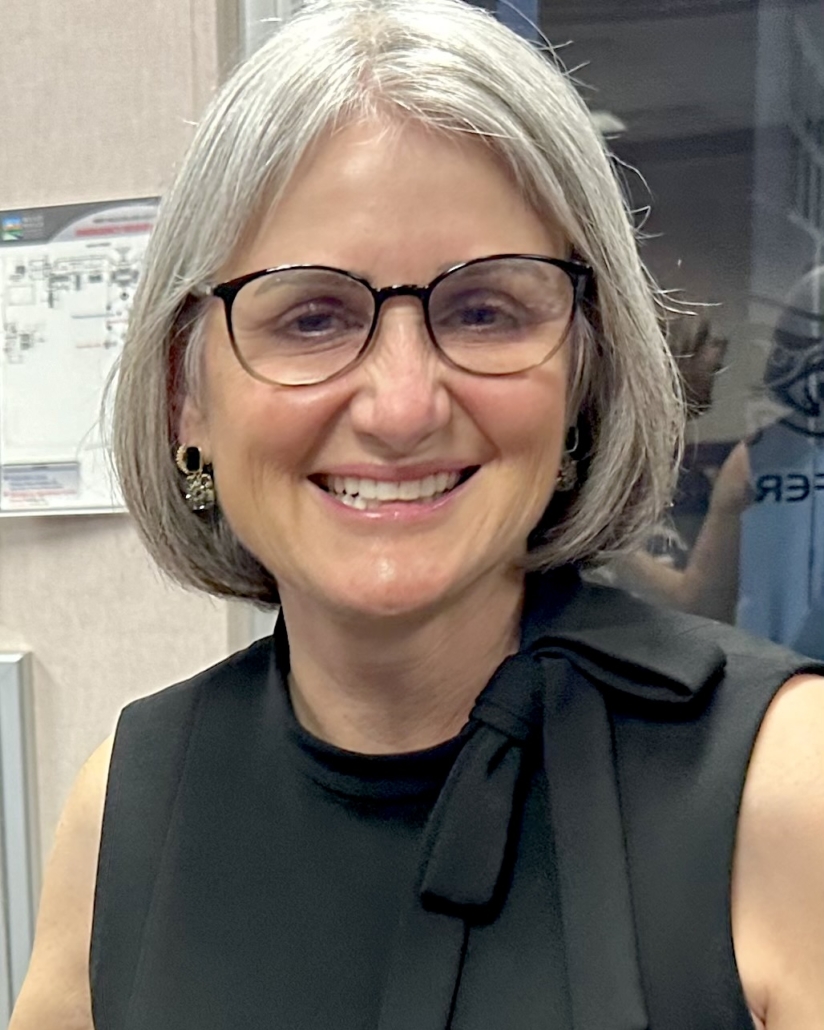
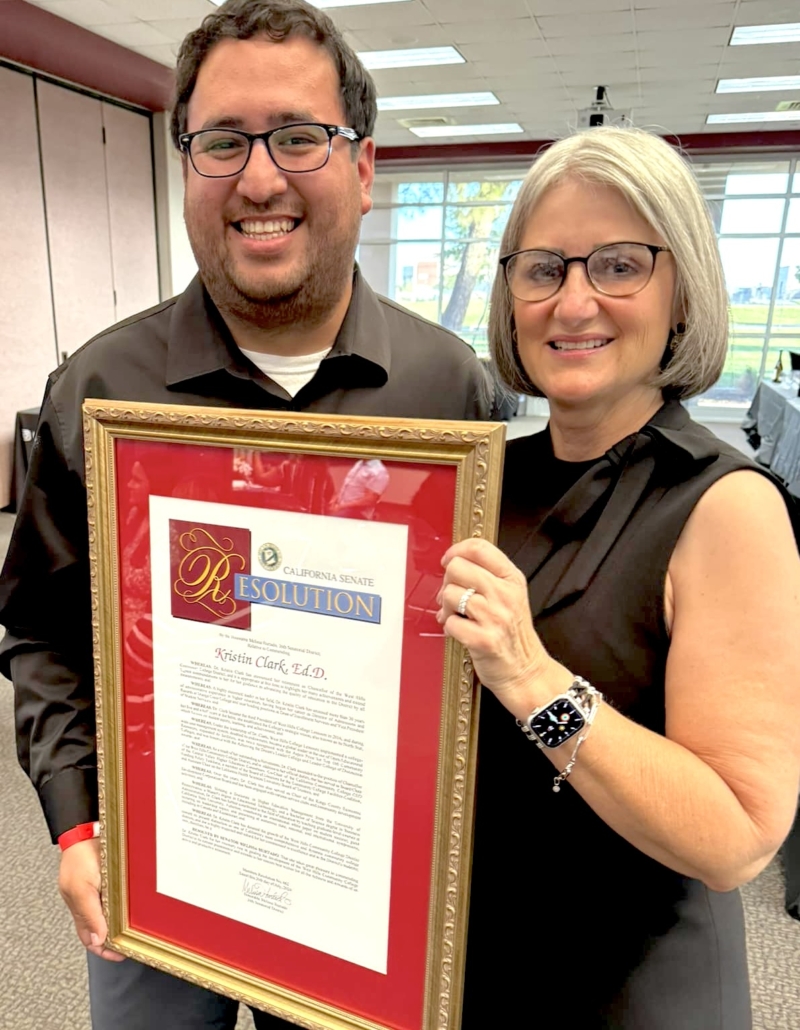
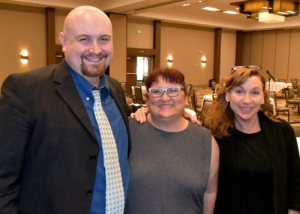
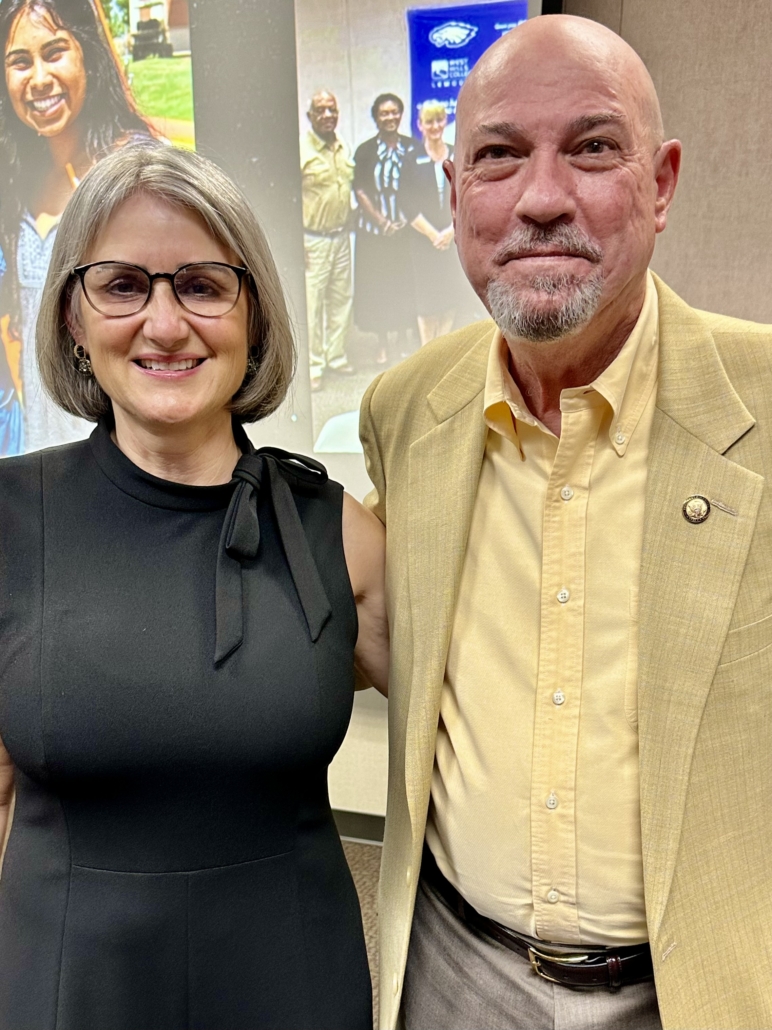
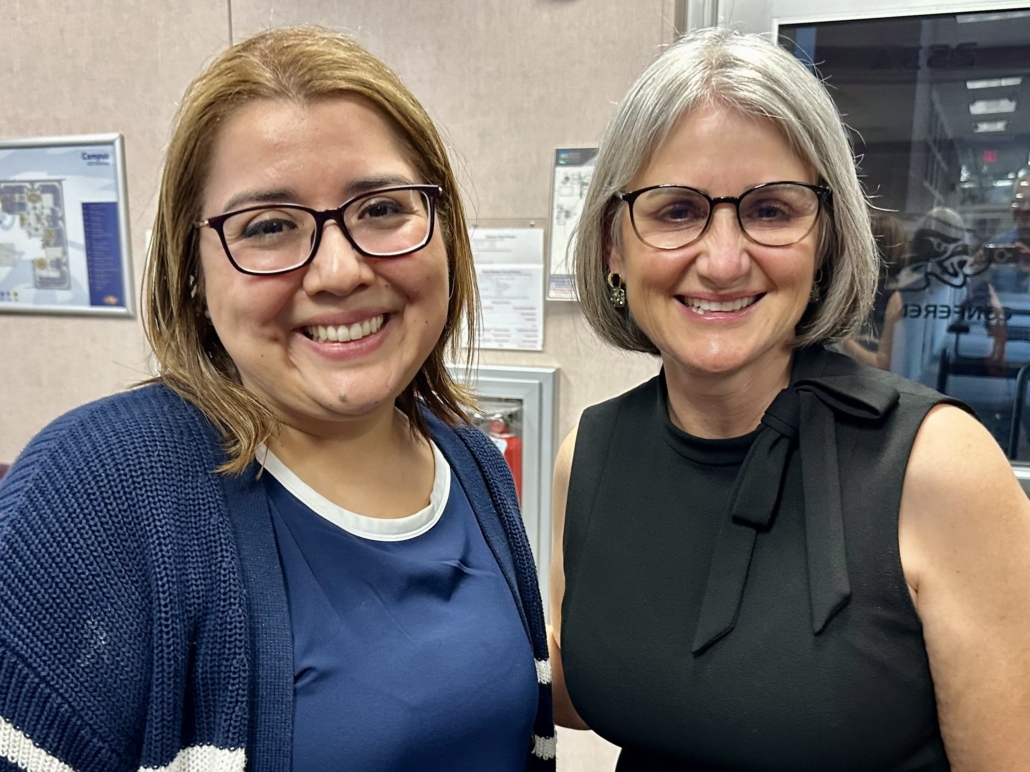
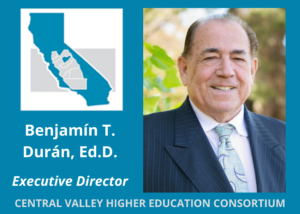
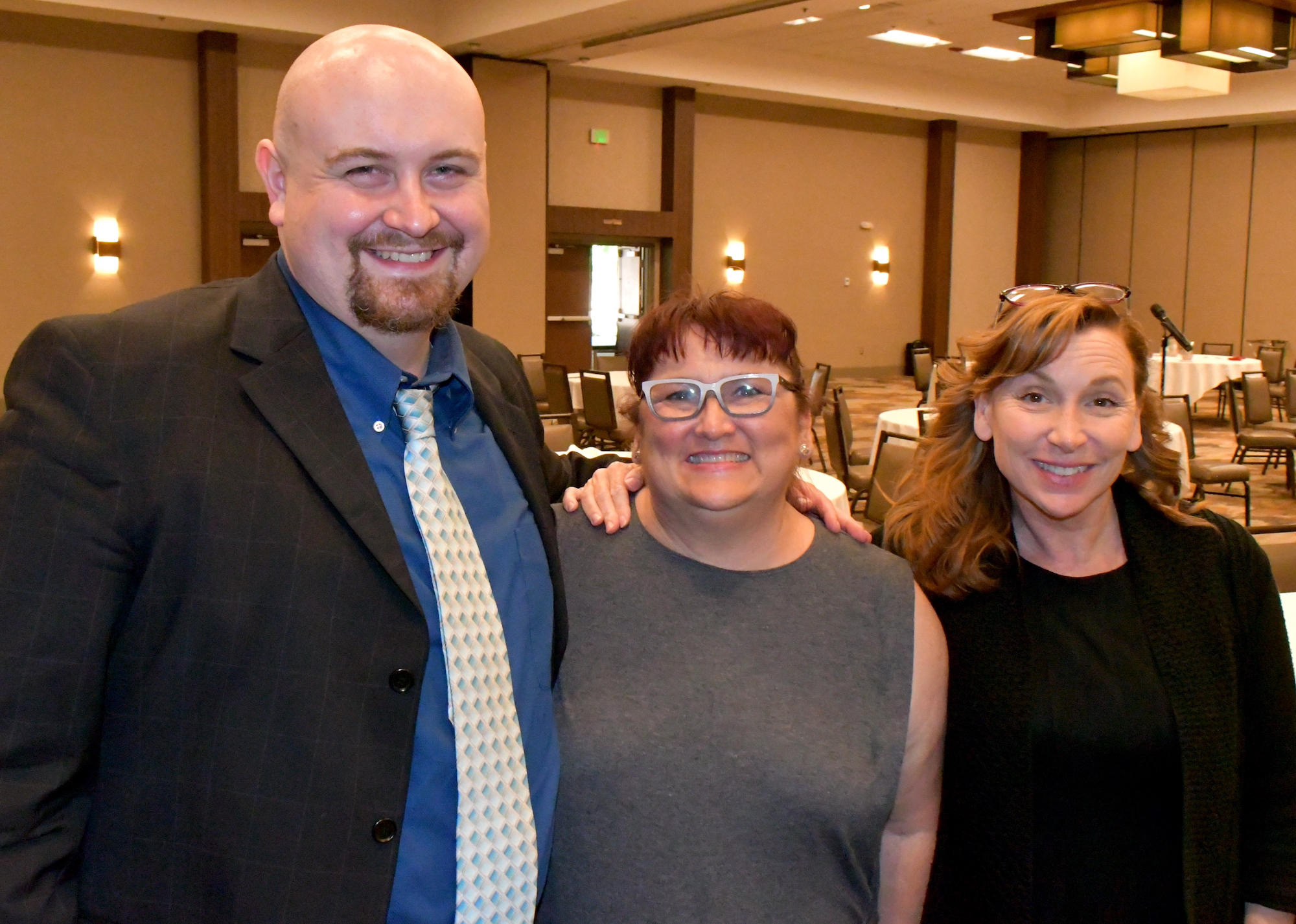
Dr. Benjamín Durán, CVHEC executive director,  and WHCCD Chancellor Kristin Clark at the Central Valley Higher Education Summit October 19, 2023 where she delivered the welcome address.

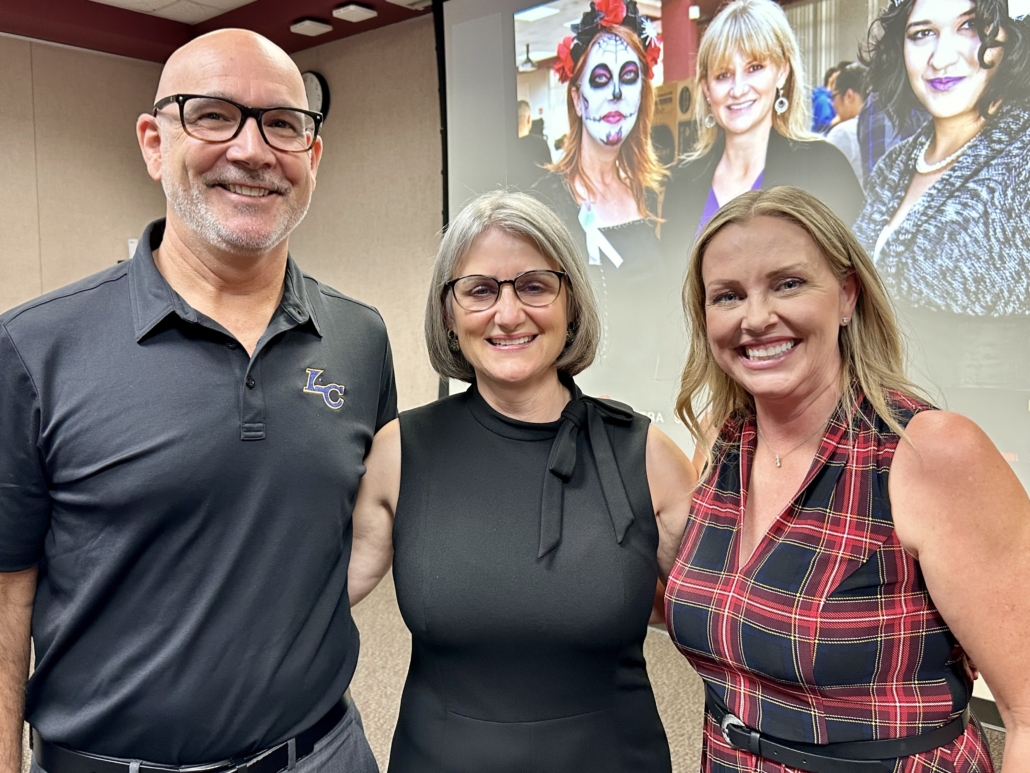
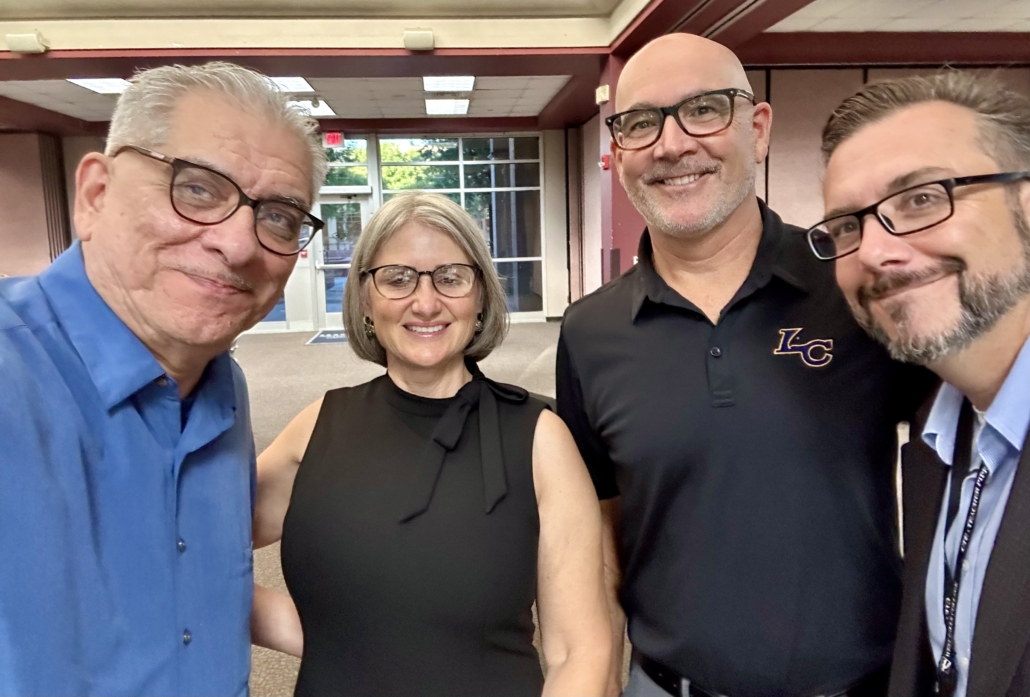
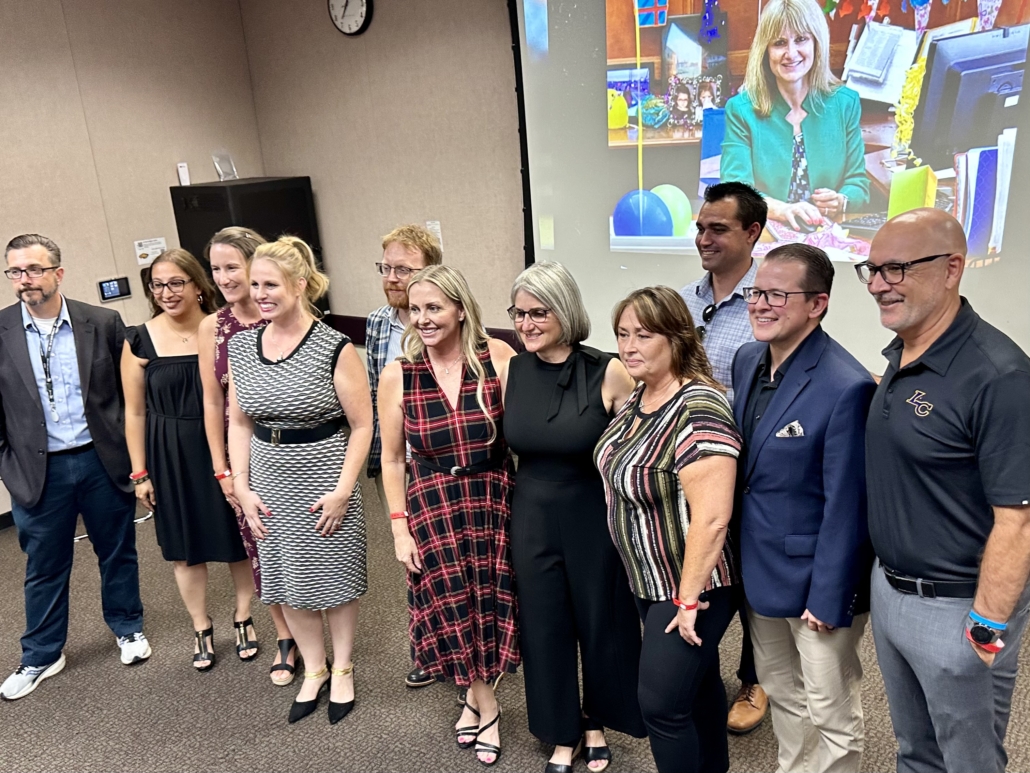
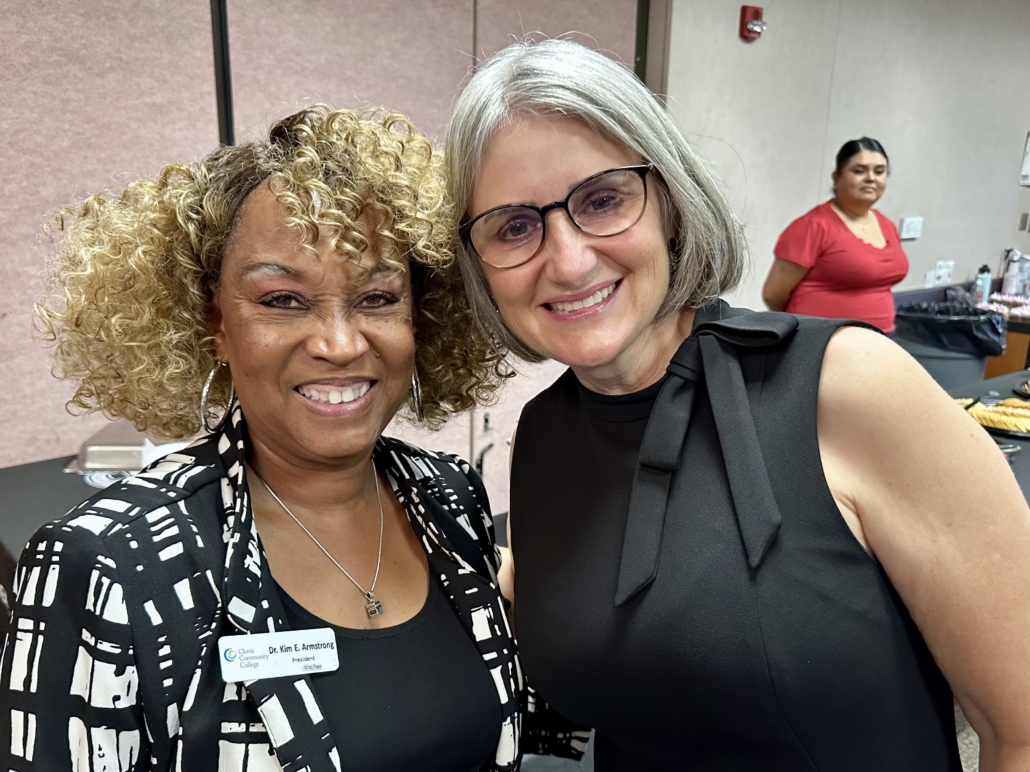
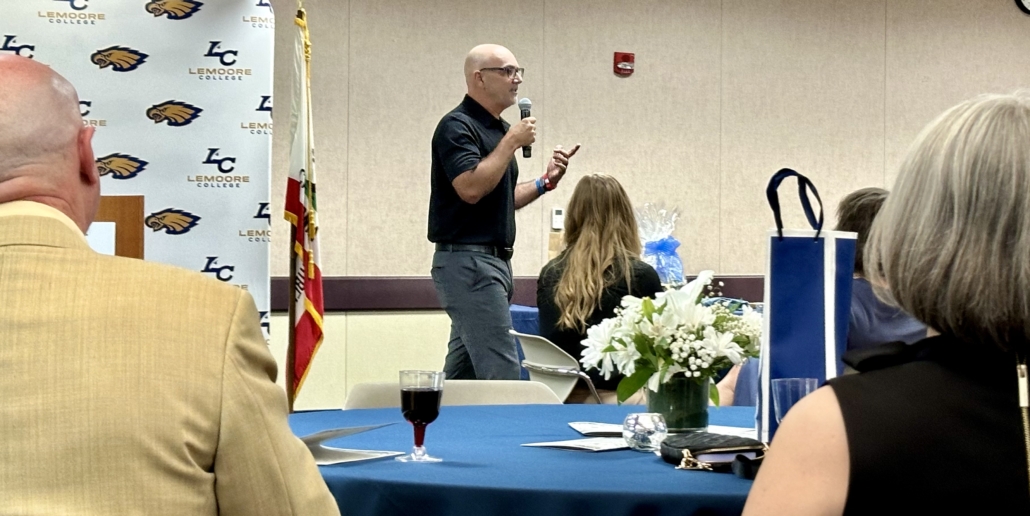
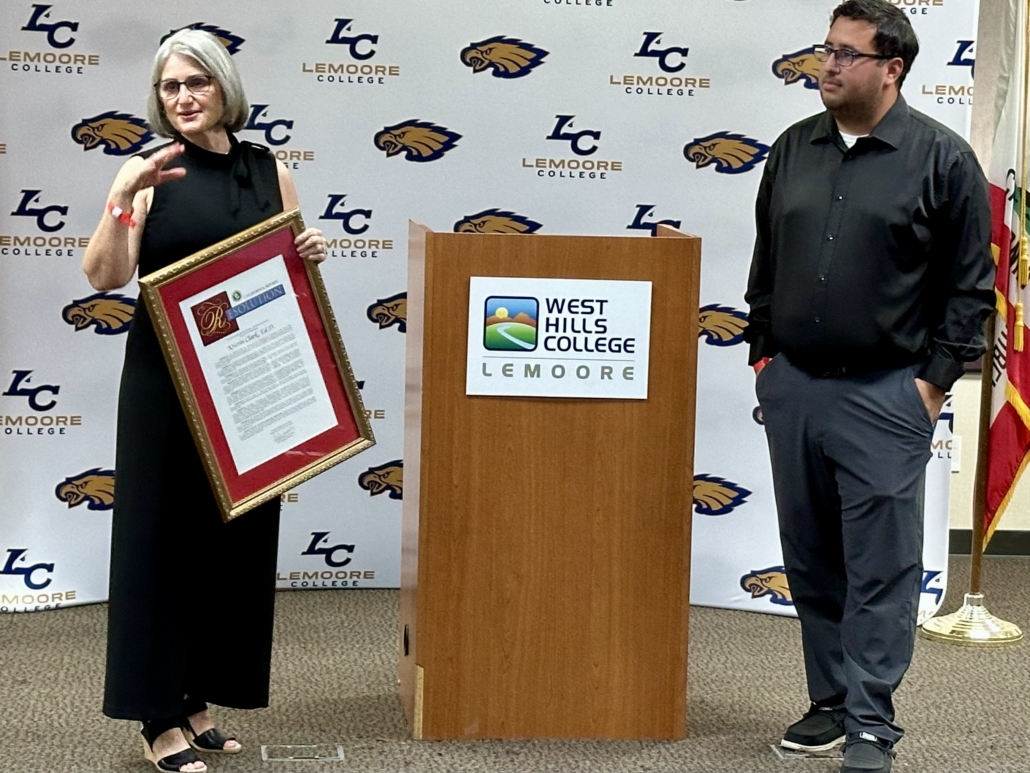
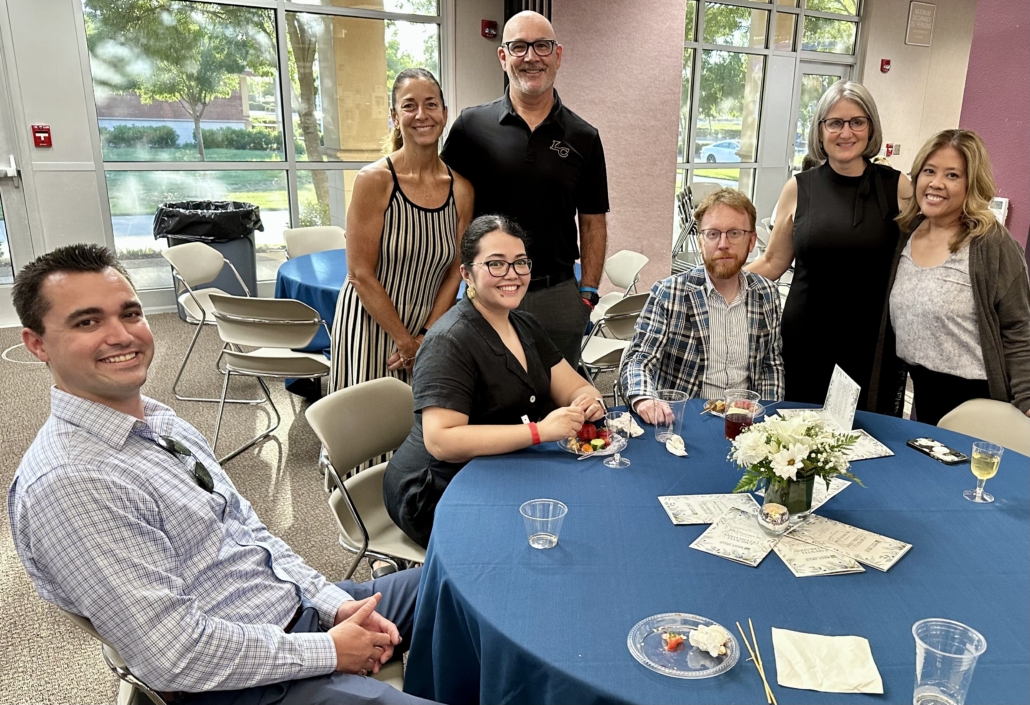
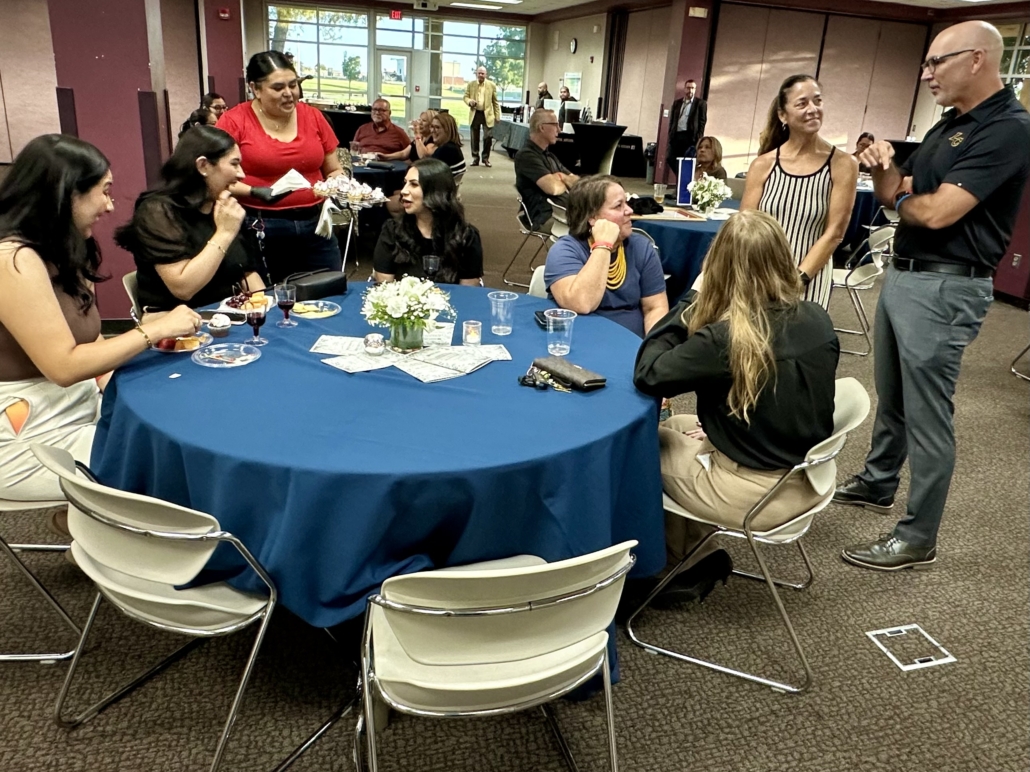
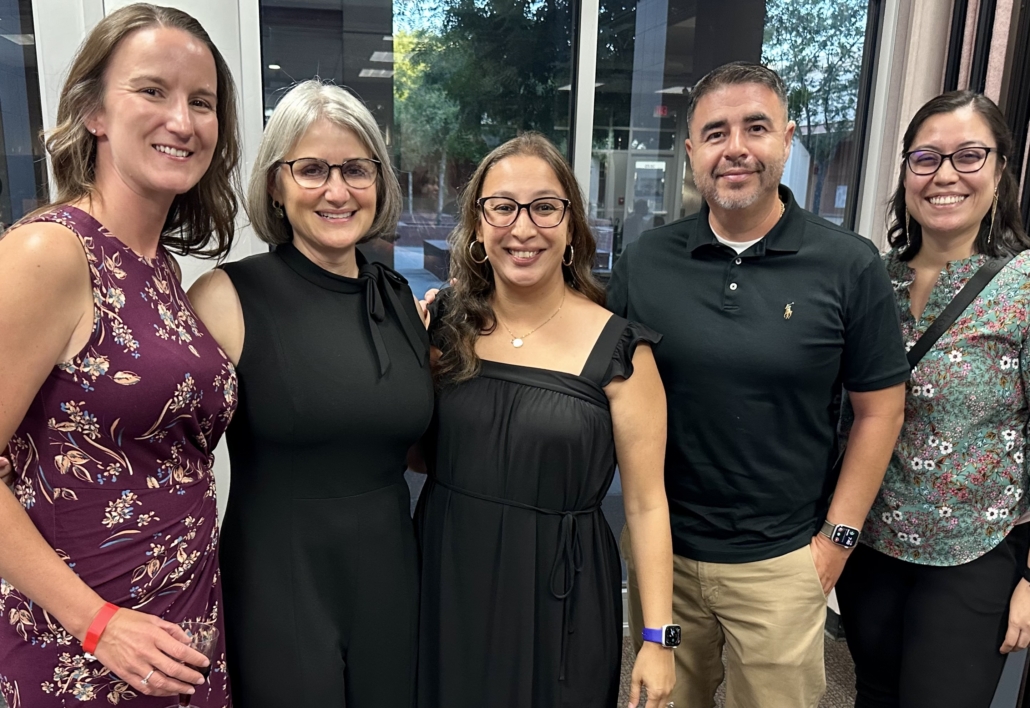
UPDATE July 26, 2024: Chancellor Clark honored at farewell reception (see photo gallery below).

STATEMENT

Chancellor Clark: a champion

of higher education for all

We at the Central Valley Higher Education Consortium along with so many others in the region and the state, are experiencing mixed feelings with Chancellor Kristin Clark’s announcement of her retirement effective the end of this academic year.

We are happy for Chancellor Clark as she completes a stellar academic career this spring in preparation for her retirement but at the same time we are saddened that the Central Valley region is losing a leader of her caliber.   As the chair of the 28-member CVHEC Board of Directors the last two years, Chancellor Clark has been a champion of higher education for all and certainly for the initiatives and projects the Consortium has undertaken. She has been instrumental in building our network of Central Valley college and university leaders to speak in a single voice on higher education policy issues.

Additionally, Chancellor Clark is recognized throughout the state as the leader of one of the most innovative and student-centered multi-college districts in rural California.  The West Hills Community College District and the communities it serves have been fortunate to receive her professional and personal leadership.

Please join us in wishing Dr. Clark all the best, as she gets ready to explore the next phase of her life. Well done, Kristin!

Benjamín Durán, Ed.D.
Executive Director – The Central Valley Higher Education Consortium  
President-emeritus – Merced College

See the WHCCD  retirement  announcement press release.

Bio – Chancellor Kristin Clark

Chancellor Clark Farewell Reception – CVHEC photo gallery:

Math Task Force Convening Jan. 26:

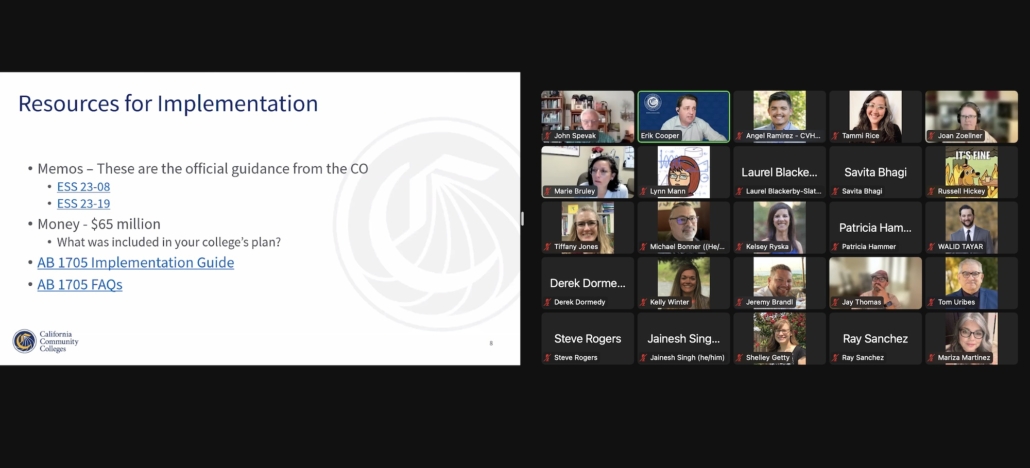
‘Central Valley Way To AB1705 Success’


With the agenda released this week, over 60 Central Valley math education experts will convene in Fresno Jan. 26 to plan math pathways for student success as they brainstorm within five strands of implementation around Assembly Bill 1705 that goes into effect this summer.

The Central Valley Higher Education Consortium’s “Central Valley Way To AB1705 Success” Convening from 9 a.m. – 3 p.m. at the DoubleTree by Hilton Hotel Fresno Convention Center, will bring together community college math educators, administrators and institutional researchers.

Presented by the CVHEC Math Task Force and facilitated by the Charles A. Dana Center at the University of Texas at Austin, the convening is free with advance registration and includes lunch.

Discussion for the historic convening — with administrators and IR experts joining in the conversation — will center around five strands that the region’s community college math academicians can undertake for student success when the new law goes into effect July 1:  Validating Prerequisites; Designing Precalculus for 2025; Math Support Outside and Inside the Classroom; Building an AB 1705 Campus Team; and Guided Self-Placement.

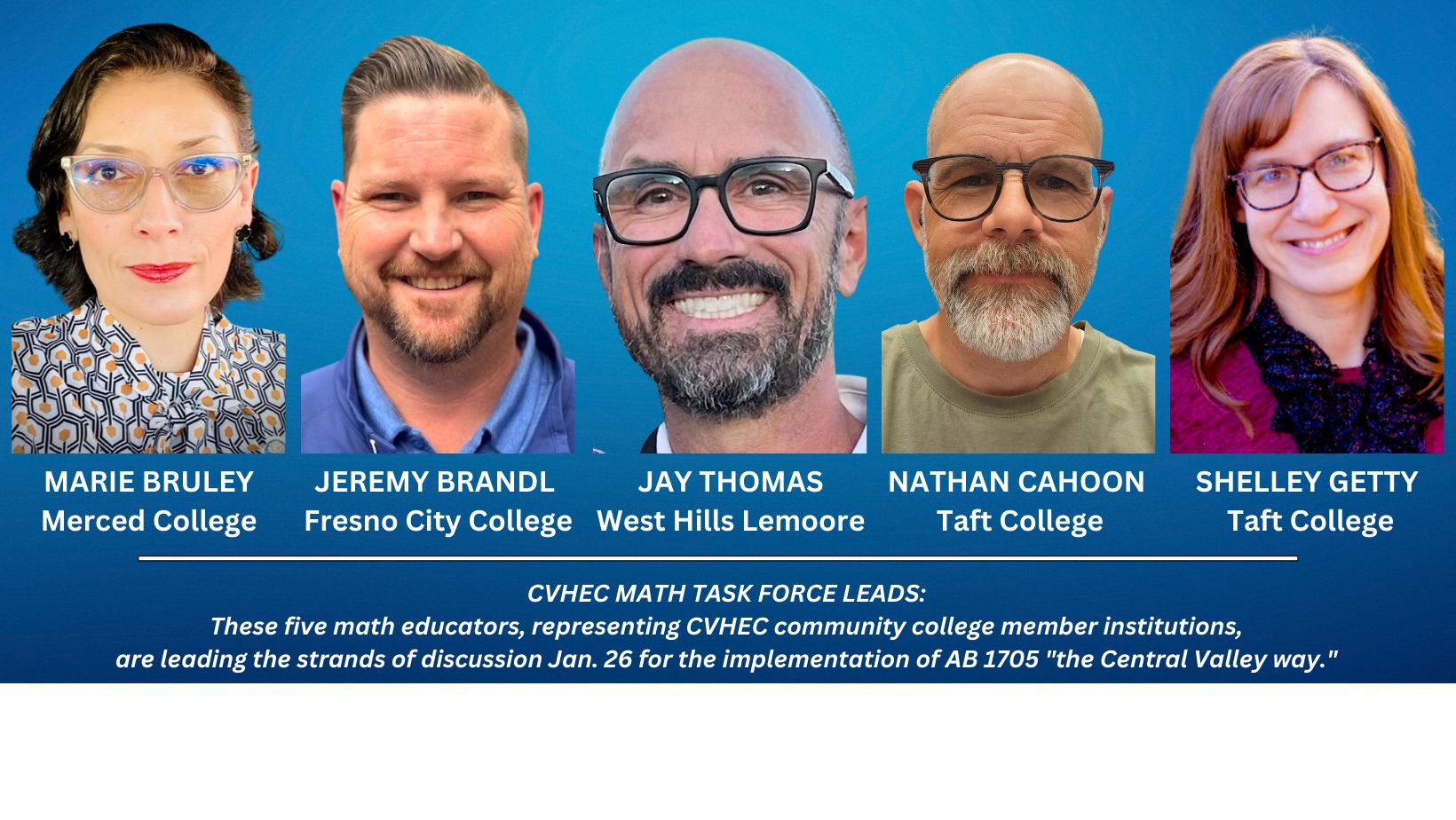
Five Math Task Force members serving as strand leads are: Jeremy Brandl, Fresno City College math professor; Nathan Cahoon and Shelley Getty, both Taft College math professors; Marie Bruley, Merced College dean of Science, Technology, Engineering, and Math (STEM); and Jay Thomas, West Hills College Lemoore math professor.

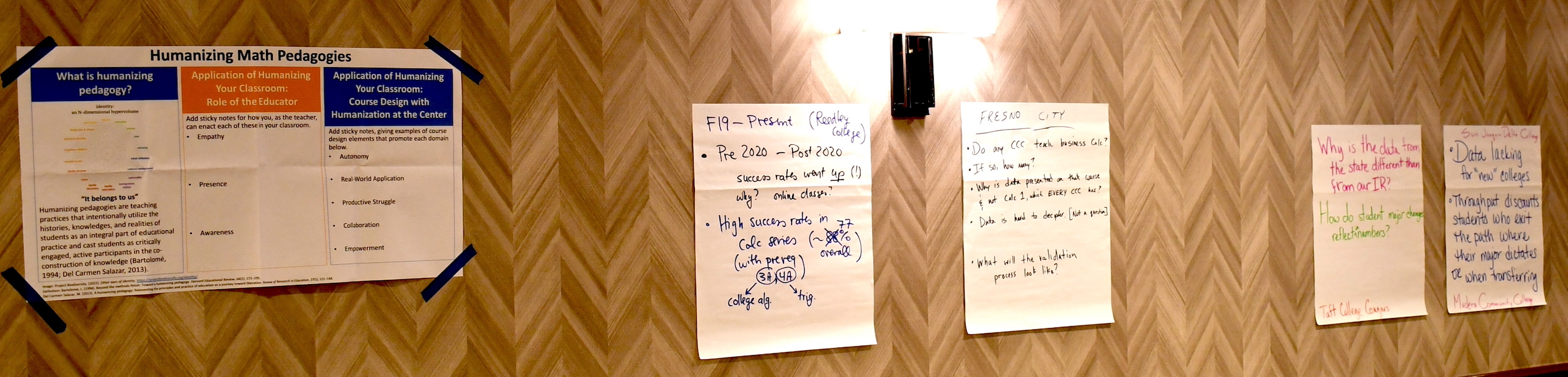
After the event opens with a welcome and brief introductions, the strand subcommittees open the discussion by presenting reports regarding preliminary strand deliberations over the past few months that started at three meetings the Math Task Force held in the fall.

Participants will then break into tabletop talks for feedback and to brainstorm new ideas, a timeline and next steps followed by report outs of those subcommittee sessions.

Following lunch, the participants will break into their respective college teams to discuss “Preliminary College Plans” in two parts: “Validating Prerequisites Between Now and July 1, 2024;” and “Developing New/Revised Curriculum to Take Effect July 1, 2025.”

“College Team Report Outs” will follow before the final session “Where Do We Go From Here?” looks towards the future and the role of Math Task Force sub-committees, college teams and CVHEC.

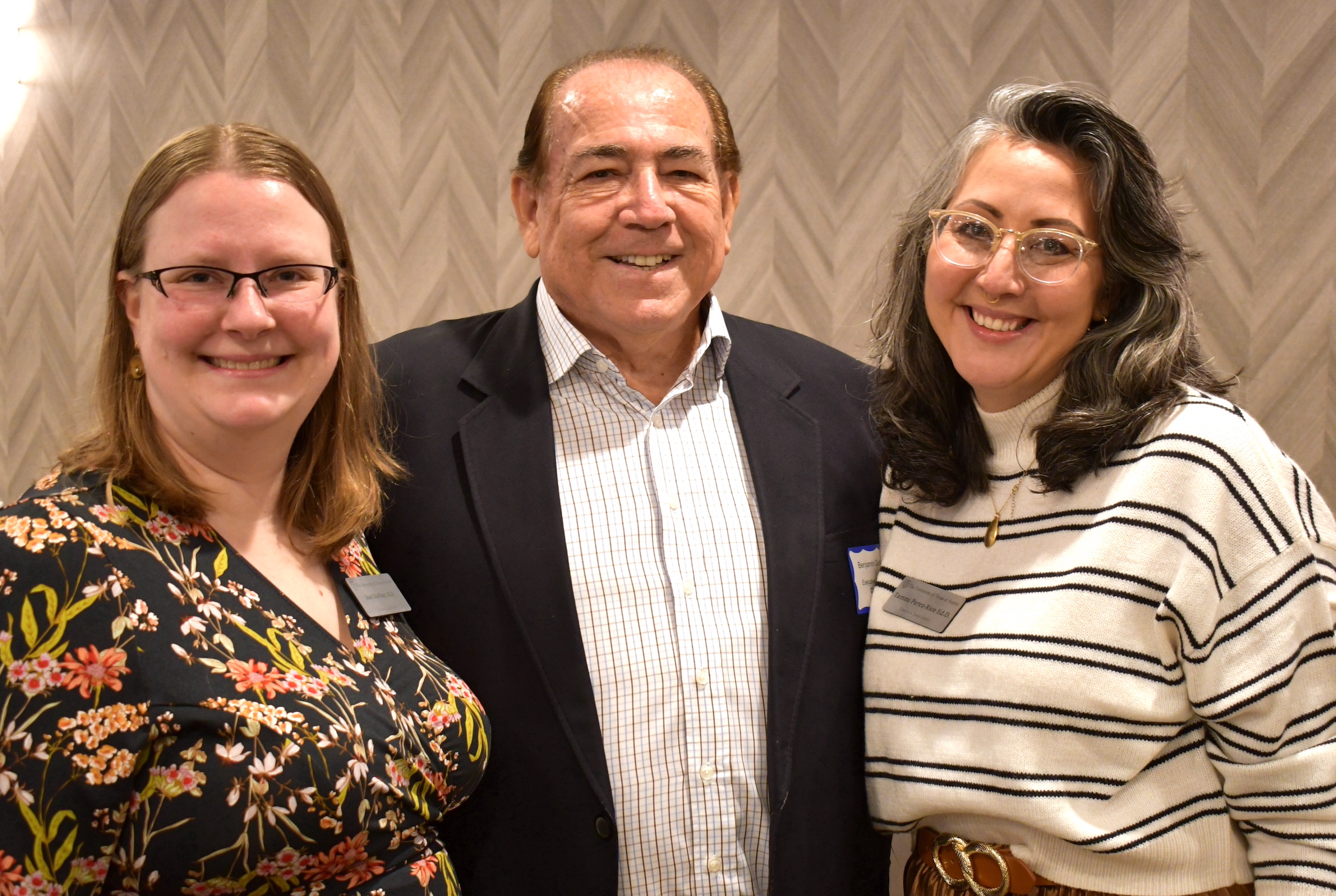
Dr. Benjamín Durán of CVHEC with Dana Center reps Joan Zoellner and Tammi Perez-Rice at the Oct. 13 Math Task Force convening in Fresno.

 Dr. Benjamín Durán, CVHEC executive director, said, “We are proud that our Central Valley community colleges are leaning in on the expertise of their own math experts to figure out the best way to support our students within the guidelines of the legislation.”

AB 1705 — passed in 2022 for implementation July 1, 2024  —  expands the provisions established in AB 705 (2017) by explicitly requiring community colleges not only to place students directly into transfer-level English and math courses but also to ensure that students actually enroll in those courses.

The legislation also establishes that for students who need or desire extra academic support, community colleges shall provide access to such support. The new law clarifies that a community college can require students to enroll in additional concurrent support if it is determined that the support will increase the student’s likelihood of passing transfer-level English or math.

Community colleges have been tasked with ensuring they comply with both AB705 and AB1705 designed to strengthen support for student success and increase degree completion.

CVHEC helped start the conversation by bringing together its Math Task Force — made up of representatives from CVHEC community colleges — and other math educators to discuss ideas and options regarding implementation within the Central Valley community college mathematics community last fall.

Dr. John Spevak, CVHEC regional coordinator

In three virtual sessions and one in-person convening in 2023,  the Math Task Force created a collaborative “Central Valley Approach” to each,  said Dr. John Spevak, CVHEC regional coordinator who oversees the consortium’s Math and English Task Forces.

“Now, for the January session, administrators and researchers are joining the Math Task Force to develop data-driven and college-endorsed solutions that help meet the challenge head on and in unity for the best interests of students.”

The fall inaugural sessions were facilitated by two Dana Center representatives who will return to Fresno for the Jan. 26 convening:  Joan Zoellner, M.A., who is the lead for the Dana Center’s Launch Years Initiative; and Dr. Tammi Perez-Rice, Postsecondary Course Program specialist.

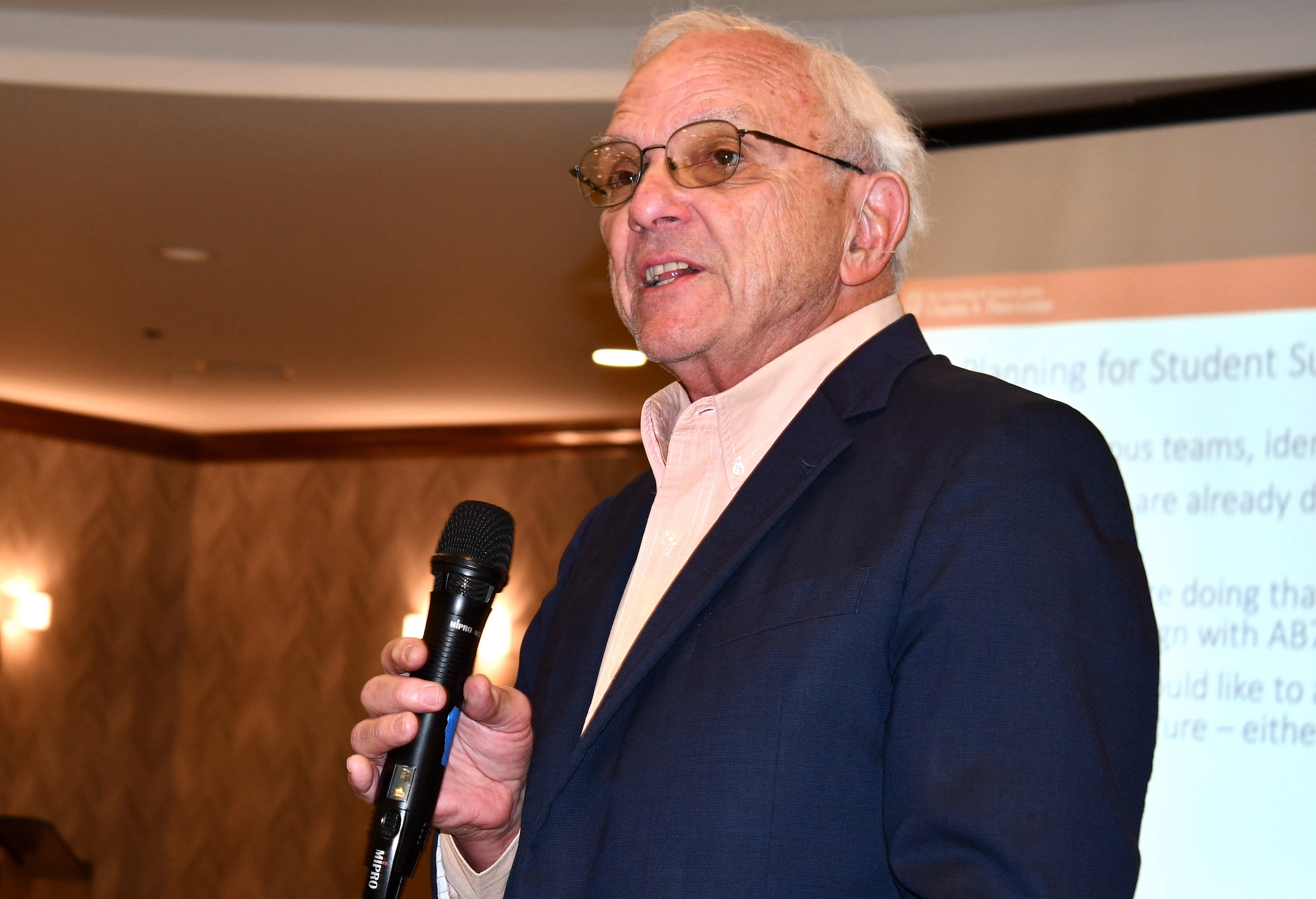
Dr. Erik Cooper, assistant vice chancellor of the California Community College Chancellor’s Office Cooper, also participated in the first virtual session to discuss the recent history of math education reform in California and answer questions as well as present the CCCCO’s AB 1705 Implementation Guide and FAQ webpage.

“With the passage of AB 705 then later 1705 – all designed to strengthen support for student success – CVHEC has been moving full steam ahead in assuring that our member colleges and their feeder high schools have a good understanding of the seemingly turbulent waters of the legislation,” Durán said.

Strand breakdown: 

  • Validating prerequisites — quantitative and qualitative: creating a Central Valley collaborative approach which would help make a strong case with the state. Point person: NATHAN CAHOON, Taft College math professor.
  • Designing Precalculus for 2025: An effective single-course prerequisite for Calculus 1 (especially valuable if the state allows in 2025-26 only one prerequisite course for Calculus 1). Point person: JEREMY BRANDL, Fresno City College math professor.
  • Math support outside and inside the classroom:  What’s working best in the Central Valley, including math lab centers, tutoring, embedded tutoring, supplemental instruction, etc. Point person: SHELLEY GETTY, Taft College math professor.
  • Building an AB 1705 campus team: Who needs to be on the team? Math and English professors, IR/IT staff, counselors, administrators, etc. How does it best function? Point person: MARIE BRULEY, Merced College dean of Science, Technology, Engineering, and Math (STEM).
  • Guided self-placement: Helping ensure with the best possible questionnaire that students are taking the right math class when they start college. Point person: JAY THOMAS, West Hills College Lemoore math professor.

(Links to recordings of the two previous sessions are available below).


REGISTER – “The CVHEC Way to Math Success — Implementing AB1705” (Jan. 26, 2024)

EVENT AGENDA For questions: centralvalleyhec@gmail.com.

For media inquiries: Tom Uribes 559.348.3278 (text msg) or cvheccommunications@mail.fresnostate.edu 


SEE:

  • Previous sessions recordings:

CVHEC “AB1705 in the Central Valley” Webinar with Dr. Erik Cooper Oct. 6, 2023

MTF meeting  Nov. 17 (10 a.m. session)

MTF meeting Nov. 17 (1 p.m. session)


  • Coverage of the fall sessions:

Math Task Force begins discussion of AB1705 implementation – Nov. 17 next (with Oct. 13 photo gallery).

CVHEC Math Task Force meets in-person Oct. 13 for AB 1705 follow-up  

NEWS RELEASE – CVHEC Math Task Force: Impactful legislation (AB 1705) Convenings Oct. 6 & 13


Dr. Erik Cooper of the California Community Colleges Chancellor’s Office zoomed into the Oct. 6 CVHEC Math Task Force session to address AB1705 implementation.


A promising 2024!


Greetings and welcome to 2024 from the CVHEC Team,

We are excited about what the new year holds for our member Central Valley colleges and universities and the thousands of students they serve in this part of California.

As we find ourselves halfway through the 2023-24 Academic Year, you will find in this first newsletter of the new year updates on the exciting initiatives and projects that we undertook during the fall semester and will continue into the spring of this year.

In the fall, our Board of Directors introduced the CVHEC Strategic Plan that will guide the consortium for the next three years.  One way to plan your future ventures is to take stock of where you have been. Please enjoy the blog by team member Stan Carrizosa who has masterfully laid out the collective efforts and accomplishments of the CVHEC team, its colleges and universities and its contributing partners this last year as a guide into 2024.

Also, to help carry out that plan, we will soon be rolling out our 2024 CVHEC Campaign which will serve as the umbrella under which our higher education and K12 partners will do their work.  We have found that the talent and insights of our Central Valley higher education professionals are reflected in the collaborative approach to developing and implementing innovative strategies to addressing student success challenges the Central Valley way.

These efforts will include work from CVHEC’s Math Task Force, English Task Force, Online Educational Resources/Zero Textbook Cost Task Force and the CVHEC Dual Enrollment for Equity and Prosperity (CVDEEP) Task Force.  Keep an eye out for more details about our campaign!

We are also delighted you will read about the continued support for the consortium from the College Futures Foundation as well as new federal funding awarded College Bridge, one of our partners working with us to deliver the innovative Math Bridge intervention in partnership with regional community colleges and their feeder high school partners in the valley.  This includes new Math Bridge collaborations with our Central Valley Transfer Project as well.

Last but not least, our member institutions were engaged this month in their annual local efforts to bring community members to their campuses for Dr. Martin Luther King Jr. Day celebrations and activities in observance of the contributions and sacrifices of this great American leader of civil rights and next month for Black History Month.

Thanks for joining us in kicking off a great 2024!!

In a 21-year quest to improve the postsecondary success of students in its region, the Central Valley Higher Education Consortium has once again gained College Futures Foundation (CFF) refunding with a $1.5 million grant to continue championing dual enrollment, math pathways, Open Education Resources/Zero Textbook Costs measures and transfer student support as well as strengthening data access for improved strategy planning.

Dr. Benjamín Durán, CVHEC executive director, announced the new three-year grant (Jan. 2024 – Dec. 2026) from its primary funder this week saying it will allow the consortium — made up of 28 institutions of higher education throughout the Central Valley’s nine-county region that represents one-third of the state of California — “to implement equity-driven strategies that decrease disparities in student persistence and higher education attainment and provide students a timely pathway to completion.

“We appreciate the College Futures Foundation’s continued support for CVHEC activities that are designed to impact student success most efficiently at our member institution,” said Durán, who is president-emeritus of Merced College.

Established in 2005, College Futures Foundation uses a wide variety of human and financial resources and tools — including nearly $20 million in grants annually —  towards its mission:  increase postsecondary completion for learners who are underserved centering learners and their aspirations and needs on the path to achieving their educational goals.

“We collaborate with organizations and leaders across California’s postsecondary ecosystem and beyond that share a vision of equity and upward mobility for Californians,” its website states

The partnership between CVHEC and College Futures began in 2016 when the consortium was awarded its first CFF grant.

The long-term vision for the consortium’s CFF proposal is that “initiatives and projects shepherded by CVHEC will result in policies, programs and best practices that will be institutionalized in Central Valley institutions of higher education and will lead to improving the economic, social and educational well-being of the students in the valley.”

Durán added that the funding shows CFF recognizes how CVHEC has intentionally engaged in establishing a cohort of colleges and universities working collaboratively to implement strategies and practices that can help transform the higher education attendance and degree/certificate attainment rates in the region thus creating meaningful pathways for Central Valley students.

With a membership of 28 accredited public and private colleges, universities and community colleges from San Joaquin County in the north to Kern County in the south, CVHEC’s Board of Directors is composed of chancellors, presidents and campus leaders of those member higher ed institutions. As the CVHEC Board of Directors, they speak with a single voice for advocacy, policy and legislation for higher education in the Central Valley region, Durán said.

The CFF grant reflects a commitment to the goals and priorities of the consortium through these five equity-driven strategies designed to decrease disparities in student persistence and higher education attainment for timely pathway to completion:

  • Dual Enrollment — expand the dual enrollment course offerings in the Central Valley to enhance opportunities for underrepresented students in rural and underperforming urban high schools and decrease time to degree or certificate attainment.
  • Transfer Student Support — increase the number of students transferring with an Associate Degree for Transfer (ADT) to all Central Valley CSU and UC campuses, as well as its non-profit independent institutions members (Fresno Pacific, National University, and University of the Pacific).
  • Open Educational Resources — collaborate with the Statewide Real Colleges Task Force and West Hills College Lemoore President James Preston, a member of the SRC Task Force, to form a Central Valley Open Educational Resources Task Force and establish successful models of OER courses at member colleges.
  • Data Development – expand the Central Valley Higher Education Student Dashboard to include essential student metrics at all member colleges and universities.
  • Mathematics Pathways – collaborate with the Charles A. Dana Center, College Bridge) and Valley colleges and universities to support the scaling of mathematics pathways from high school through postsecondary education and into the workplace, aligned to students’ goals and aspirations.

Other CVHEC projects and accomplishments include serving an integral role in the development of four state-funded K-16 Collaboratives within the nine-county region supporting regional efforts to develop and streamline equitable pathways from high school to post-secondary education and into the work force.   CVHEC has initiated the K-16 Collaborative Master’s Degree Upskilling English and mathematics initiative to prepare high school teachers to teach college dual enrollment courses at their high schools, resulting in 100 high school math teachers and 100 English high school teachers earning their Master’s degrees that allows them to meet minimum qualifications to teach college courses at the high school.

CFF funding also supports major CVHEC activities such as its annual Central Valley Higher Education Consortium Summit as well as hosting or participating in other conferences and regional convenings.


BACKGROUND: Founded in 2002, the Central Valley Higher Education Consortium (CVHEC), strives to implement strategies and practices that can help to transform the higher education attendance and degree/certificate attainment rates in the region to create meaningful pathways for students in the region by successfully establishing and engaging a cohort of colleges and universities that work collaboratively towards that end.  CVHEC is a 28-member strong consortium of accredited public and private colleges, universities, and community colleges members in a nine-county region of California from San Joaquin County in the north to Kern County in the south. Member chancellors, presidents and campus leaders serve on the CVHEC Board of Directors speaking with a single voice for advocacy, policy and legislation for higher education in the Central Valley region.  These institutions of higher education serve 4.3 million people living in California’s Central Valley, a 27,500 square mile region the size of South Carolina that is rural in general, with an extensive array of farms, ranches, small towns and growing cities – including Fresno, the fifth largest city in California. The Central Valley is historically distinctive as one of the most ethnically diverse regions in the United States with challenging socio-economic and college going rates.  

MEDIA INQUIRIES: Tom Uribes, CVHEC Communications/Media coordinator – 559.348.3278 (text) or cvheccommunications@mail.fresnostate.edu


To kick off our 2024 “What the CV-HEC is Happening” Blogs, CVHEC Regional Coordinator Stan Carrizosa, Sr. follows up the year-in-review published in our December newsletter issue by offering a […]

College Bridge funded $2.1 million to expand Math Bridge the ‘Central Valley way’; collaborate with CVHEC Transfer Project The College Bridge Program, a partner of the Central Valley Higher Education […]