
Rural Dual Enrollment in Action

Who Was at the Table?
Columbia College
- Mike Baldwin – Director of Dual Enrollment
- Cyndi Olsen – Program Specialist, Dual Enrollment
Summerville High School
- Brett Christopher – Principal
- Jamee Dahl – College & Career Counselor
Sonora High School
- Karen Sells – Principal
- Courtney Castle – Counselor & Dual Enrollment Coordinator
- Gretchen Birtwhistle – CTE Teacher on Special Assignment & Grants
Our Dual Enrollment Story
Columbia College and Summerville High School have built a relationship-centered dual enrollment program that has experienced rapid growth over the past two years. What began as a small, opt-in model now reaches over one-third of Summerville students, making dual enrollment a standard part of the high school experience.
The partnership is rooted in College and Career Access Pathways (CCAP) agreements, which allow students to take college courses during the high school day, eliminating transportation barriers common in rural areas. This model was intentionally adapted to the rural context, aligning courses with student interests and local workforce needs.
“I just pick up the phone and call Mike (Baldwin). For us, it has become that easy to start the conversation and get something rolling.”
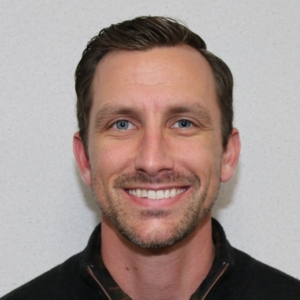
Brett Christopher
One major shift was replacing Advanced Placement (AP) courses with dual enrollment when appropriate, such as switching AP U.S. History to a college-level history course, while maintaining grade bump incentives to align with AP. Parent and student education efforts were consistent and intentional, helping families understand the benefits and processes of dual enrollment.
Through strategic use of grants like Guided Pathways, K-16 Collaborative, and Title III, the high school and college funded key roles. This included a dedicated college & career counselor, with plans to sustain the position long-term. These investments, combined with strong communication and a shared commitment to students, have fueled a cultural shift where college is normalized and accessible for all students.
Sonora High School’s Middle College, launched in 2008, started on the Columbia College campus and later transitioned back to the high school to maintain a traditional high school experience while expanding course flexibility.
Today, the model combines:
- Middle College: Students take a reduced high school course load (minimum four courses) plus Columbia College courses either on campus or online.
- CCAP-Embedded Courses: College-taught courses are integrated into CTE pathways such as Fire Science, EMS, CNA, and Welding. New additions include Medical Terminology with an introductory Health Careers course serving as a feeder.
Almost half of Sonora’s seniors participate in Middle College or CCAP, and alternative education students are transported to participate, expanding equity and access.
“Every semester, students meet with me and the college counselor… so every class is purposeful.”
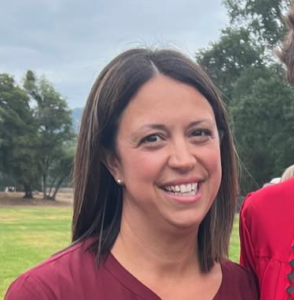
Courtney Castle
Sonora High School’s proximity to Columbia College—just five miles away—and free county transit with a Columbia student ID help remove transportation barriers, making higher education accessible to all students.

Columbia College 2024-2025 Academic Year
1,889
Total full-time equivalent (FTE) enrollment (credit) at Columbia College
60
Number of dual enrollment course sections offered (CCAP)
30
Number of dual enrollment course sections taught by high school teachers who meet minimum qualifications (MQs)
1,069
Total number of students enrolled in dual enrollment courses (CCAP)
3,166
Total number of high school students enrolled in courses
Statistics from California Community College Chancellor’s Office Data Mart 2024-2025
Pathways: Columbia College offers some career and technical education pathways, and other pathways are in development.
Best Practices and High Impact Strategies
1. Strong Partnership and Communication
- Frequent, direct communication ensures problems are solved quickly.
- College staff maintain a visible presence at the high school, hosting events, visiting classes, and working side-by-side with high school staff.
“There hasn’t been a lot of ‘no’ in this group… it’s a lot of ‘let’s try’.”
— Brett Christopher
2. Scheduling & Staffing with CCAP as the Backbone
- Classes are offered during the school day, removing transportation barriers.
- Dual enrollment sections are prioritized in the master schedule, not simply added at the end of the day.
- High school faculty who meet the minimum qualifications teach CCAP courses, supplemented by college instructors as needed.
“We had to educate our teachers that dual enrollment was a good thing… and a really good way is having them be the instructors through CCAP.”
— Brett Christopher
3. Culture and Change Management
- Replace AP courses when dual enrollment provides a better fit, with board-approved grade bumps to maintain equity.
- Ongoing parent and student outreach builds understanding and trust.
- Students are encouraged to explore college courses broadly, then narrow their focus based on interest and career goals.
4. Pathway-Aligned Program Design
- CTE courses align with existing programs like CAL FIRE, Automotive, Welding, Forestry, and Programming.
- An “Intro to College/Guidance” course serves as an “on-ramp.” giving students early exposure to college expectations.
5. Strategic Use of Resources
- Grants fund pilot programs and roles like the College & Career Counselor.
- The district commits to sustaining key positions beyond grant cycles.
- Clear CCAP MOUs outline stipends and compensation parity for dual enrollment teachers.
“We argued to fund the counselor role long-term… ten years from now this position needs to continue.“
— Brett Christopher

Challenges and Rural Realities
Labor-intensive processes
Labor-intensive processes due to rapid growth have led to heavy manual processing of applications and forms, plus increased counseling loads for first-time college students.
Recruiting qualified faculty
Recruiting qualified faculty is a major challenge. Finding instructors who meet the state’s minimum qualifications to teach college-level courses is difficult in isolated areas, limiting the ability to offer a full range of pathways for students.
“The person who teaches dual enrollment really has to be the right person.” – Gretchen Birtwhistle
Resource limitations
Resource limitations make it difficult to sustain and grow dual enrollment programs.
“Each one of those is a first-time college student who needs extra support.” — Cyndi Olsen
“I worry without on-going funding we won’t be able to constantly support our students—that’s what I worry about.” – Gretchen Birtwhistle
Limited work-based learning capacity
There’ is a limited work-based learning capacity because local employers are limited in their availability for clinicals, ride-alongs, or apprenticeships.
Strategies to Overcome Obstacles
Flexible Faculty Solutions
Recruit local high school teachers with master’s degrees while using proctors to support visiting college instructors.
Prioritize Dual Enrollment in Budgets
Leverage Funding and Prioritize Dual Enrollment in Budgets: Leverage resources between college and high school and make dual enrollment a priority during budget development.
Certifications
Start with Certifications that Meet Industry Needs, then expand as enrollment grows.
Transportation
Provide Free Transportation through partnerships with local transit authorities.
Outcomes and Impact
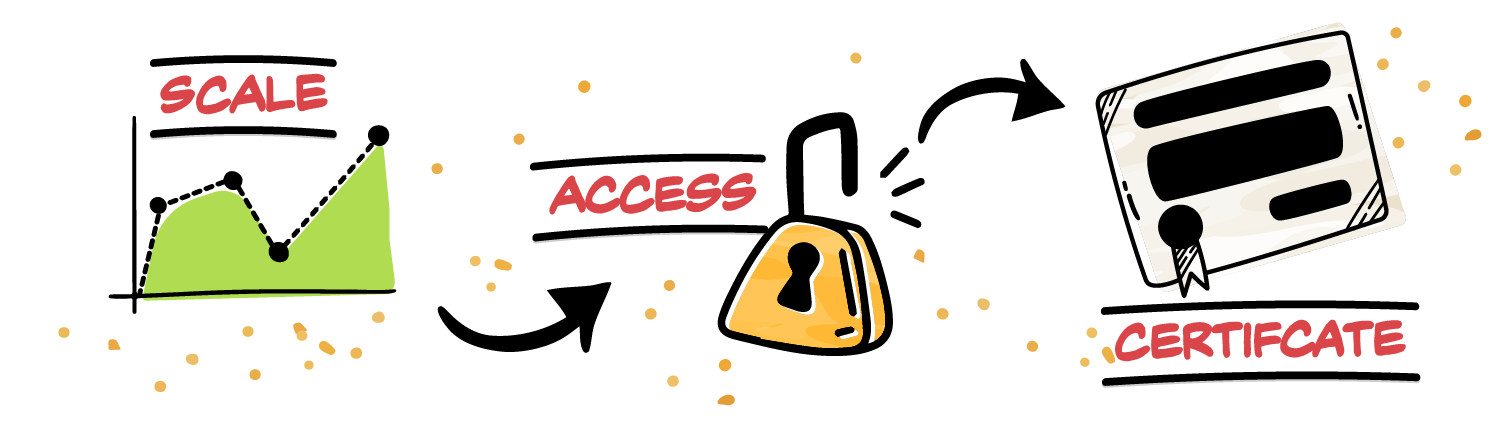
Scale and Access
Expansion continues each year. Now, over one-third of students are participating in dual enrollment at Summerville High School while almost half of seniors at Sonora High School are engaged in Middle College or CCAP programs.
Access
Inclusive approach ensures socioeconomically disadvantaged students have access to college credits and certifications.
Industry-Relevant Certifications
Programs like welding with embedded certifications in courses to meet current labor demands.
“We’ve gone from 650 to over 1,000 dual enrollment students in a year—it’s helping students.”
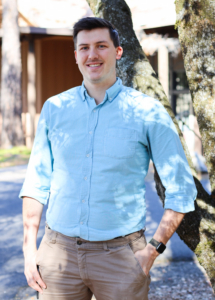
Mike Baldwin
Bottom Line
Columbia College’s partnerships with Summerville and Sonora High Schools illustrate how relationship-driven, rural-focused dual enrollment can transform student outcomes. By combining CCAP agreements and workforce-aligned pathways, these programs overcome geographic and resource constraints.
Despite challenges like staffing shortages and funding instability, the partnerships have created visible, tangible wins: students graduating with degrees, earning industry certifications, and entering college and the workforce with confidence. This model demonstrates that even in small, rural communities, dual enrollment can be scaled sustainably to foster a true college-going culture.
“Dual enrollment creates opportunity for our kids who might not otherwise see college as attainable.”

Karen Sells
Rural Dual Enrollment in Action
LESSONS AND STRATEGIES FROM THE CENTRAL VALLEY