
Rural Dual Enrollment in Action
The dual enrollment initiatives across the Central Valley reveal a shared vision: expanding equitable access to early college opportunities while navigating the complex realities of rural education. Despite differences in size, resources, and local challenges, several common themes emerged from the colleges and high schools highlighted in this playbook.
These themes provide a roadmap for other institutions seeking to scale sustainable and impactful dual enrollment programs.
1. Intentional Pathway Design
Successful programs move beyond isolated courses to offer coherent, mapped pathways that lead to certificates, degrees, and transfer readiness.
- From “random acts” to structured systems: Colleges like Reedley and Coalinga ensure every course aligns with a broader program of study, preventing students from accumulating excess, non-transferable units.
- Smaller schools start with Cal-GETC general education certificates, later adding specialized CTE or academic pathways as enrollment grows.
“We no longer offer random acts of dual enrollment – everything is intentional.” – Dr. Sandra Fuentes, Reedley College
2. Dedicated Leadership and Shared Governance
Leadership positions focused solely on dual enrollment are critical for coordination and sustainability.
- Colleges created dual enrollment dean or director roles to oversee planning, staffing, and data management for dual enrollment.
- Shared governance councils (e.g., Porterville’s Coordinating Council) foster alignment, problem-solving, and institutional memory across partner organizations.
“It’s about creating systems that are going to outlive us.” – Martin Medina, Summit Collegiate High School
3. Strong K–12 and College Partnerships
Trust and frequent communication between partners are essential.
- Many colleges emphasize open-door policies and direct faculty-to-faculty connections, ensuring issues are addressed quickly.
- Monthly partnership meetings at schools like Sanger High and Mendota High keep stakeholders aligned on scheduling, staffing, and student outcomes.
“Relationships are at the core of everything we do. Our partners have our cell numbers – they call, we answer.” – Dr. Sandra Fuentes, Reedley College
4. High-Touch Student Support
Rural programs succeed by embedding robust student support systems at the high school and in the classroom.
- Dedicated counselors at high schools guide students through academic planning and progress checks, such as Merced’s Pathways Counseling Program, Lemoore’s dedicated dual enrollment counselor, and Reedley’s mobile counselor.
- Early alert systems like Porterville’s Navigate tool enable same-day interventions.
- Tutoring, textbook assistance, and transportation stipends ensure that first-generation and underserved students can fully participate.
- High school teachers or instructional aides in the classroom to assist students.
“Our students can’t always get help at home… we provide a lot of hand-holding and clear routes to tutoring.” – Jackie Salas, Porterville College
5. Family and Community Engagement
Parent and family involvement drives program growth and sustainability.
- Parent nights (with bilingual options) demystify the process and build trust.
- Schools leverage family advocacy to influence district and board-level decisions.
- Outreach to 8th-grade families creates a culture of early awareness and readiness.
“When families understand the value, they demand it – and boards listen.” – Dr. Sandra Fuentes, Reedley College
6. Math Readiness and Bridge Programs
Math consistently emerges as a critical barrier to degree completion and entry into STEM programs.
- Programs like College Bridge’s Math Bridge introduce college-level concepts (college courses with embedded support) in high school, especially for students historically underrepresented in STEM fields. 90% of Math Bridge graduates are headed to college.
- Sequenced models (e.g., Pre-Statistics to Statistics pathway) improve retention and reduce student anxiety.
“If you’re a junior or senior and complete this course, you may already have the only math you need for a bachelor’s degree.” – Jacquelynn Schwegel, San Joaquin Delta College
“Math Bridge is the process of encouraging students who have struggled in math to not just take an additional math class, but to elect to take their most challenging math class yet…and then helping them to succeed.” – Dr. Lynn Cevallos, President, College Bridge
7. Creative Staffing Models
Addressing faculty shortages requires flexibility and innovation.
- Leverage qualified high school teachers to teach CCAP courses, supported by proctors or online instruction from college faculty.
- Programs like Merced’s shared counselor model maximize resources by employing staff who operate seamlessly across both systems.
- Increasing the number of qualified faculty (master’s degrees) for dual enrollment instruction by supporting initiatives such as CVHEC’s Master’s Upskilling Program, which assists high school teachers in earning a master’s by funding tuition costs. The program also offers college faculty mentorship to assist high school teachers in earning their master’s degrees.
“I was assigned a wonderful mentor who supported me throughout the entire journey—answering questions about assignments, about insecurities I had about going into the field, or even about becoming faculty and navigating the tenure process.” — Ginny Sandu, high school English teacher and MA Upskilling mentee
“I consider myself a safe space, someone the mentee can talk to…we share ideas about curriculum, about pedagogy, but also about how to balance the challenges of graduate school with teaching full-time. It’s about making sure they don’t feel like they’re going through it alone.” Jay Thomas, mathematics professor at Lemoore College and Upskilling mentor
“Without the relationships I cultivated in the program, I might not otherwise have had the hands-on perspectives of high school teachers working with my future students.” — Jeff Eagan, English professor at Bakersfield College and Upskilling mentor
8. Technology and Data Systems for Scaling
Technology plays a key role in reducing administrative burdens and tracking outcomes.
- Tools like DualEnroll.com streamline registration and consent processes, especially in districts with hundreds of students.
- Shared dashboards and grade-check systems enable proactive interventions and celebrate completions.
“If you have a person and a system like DualEnroll.com, you can take dual enrollment to scale.” – Kris Costa, Lemoore College
9. Access as a Core Value
Access is embedded in every successful rural program.
- Schools intentionally recruit first-generation and underserved students, ensuring pathways are not reserved for the already high-achieving.
- Policies like weighted GPA bumps for dual enrollment courses remove disincentives compared to Advanced Placement.
- Equity-focused counseling courses, like Reedley’s Counseling 53, equip students with college navigation skills and confidence.
10. Sustainable Funding and Advocacy
Long-term success depends on stable, predictable funding for staff, textbooks, stipends, and transportation.
- Programs often start with grants (e.g., K-16 Collaborative, Title III) but require ongoing institutional investment.
- Funding to continue to support rural colleges so that they can scale dual enrollment offerings with paid faculty/teacher stipends, dedicated counselors, and high-touch supports.
“Without stable, dedicated funding, it feels precarious. We’re always piecing budgets together and scrambling when one source goes away.” – Gregory Soto, Merced College

The Central Valley Way – A Regional Blueprint
Collectively, these stories demonstrate that rural colleges and K–12 districts can reimagine dual enrollment through creativity, trust, and a relentless focus on student success. Despite obstacles created by these institutions’ geographical location and size, they are implementing intentional pathways, shared governance, robust student supports, and equity-driven practices, Central Valley partners are building sustainable systems that transform students’ futures and strengthen entire communities.
“At first, people doubted this program could work. Now they can’t imagine Mendota without it.”
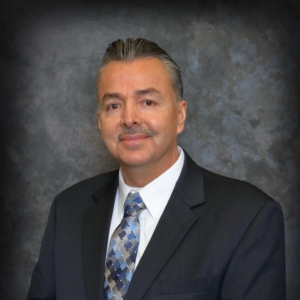
Dr. Paul Lopez
Mendota High School
Rural Dual Enrollment in Action
LESSONS AND STRATEGIES FROM THE CENTRAL VALLEY
