
Rural Dual Enrollment in Action

Who Was at the Table?
Reedley College
- Dr. Sandra Fuentes – Dean of Early College
- Richard Aguilar – Director of Dual Enrollment
Sanger Unified School District
- Carmen Garvis – Dual Enrollment Coordinator, Curriculum Support Provider
- Kirsten Coronado – Sanger Unified Area Superintendent
Our Dual Enrollment Story
Reedley College has strategically expanded its dual enrollment program by building intentional, pathway-aligned partnerships with 19 high schools. The partnership with Sanger Unified serves as a model for scaling access equitably while addressing the unique barriers faced by rural communities.
The program began in 2014 with a Plant Science pathway through a collaboration with Wonderful Agriculture, offering a complete sequence of courses that led to an associate degree. Over time, the initiative expanded to include engineering, CTE pathways, and collaborations with Valley ROP and other regional colleges.
Today, Reedley’s dual enrollment program includes:
- 19 partner high schools
- ~25 streamlined pathways ranging from certificates to full AA-T degrees
- Cohorts of students graduating with Liberal Studies degrees through Middle College High Schools and smaller rural districts like Parlier High School
“We will no longer offer random acts of dual enrollment. Everything we do must align to a clear pathway that leads to certificate or degree completion.”
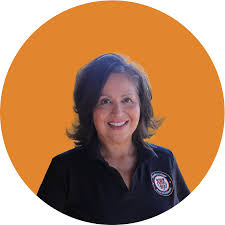
Dr. Sandra Fuentes
Reedley College 2024-2025 Academic Year
7,081
Total full-time equivalent (FTE) enrollment (credit)
389
Number of dual enrollment course sections offered (CCAP)
50% (apx)
Number of dual enrollment course sections taught by high school teachers who meet minimum qualifications (MQs)
6,470
Total number of students enrolled in dual enrollment courses (CCAP)
8,969
Total number of high school students enrolled in courses
Statistics from California Community College Chancellor’s Office Data Mart 2024-2025
Pathways: Reedley College offers 25 dual enrollment pathways.
Best Practices and High Impact Strategies
1. Intentional Pathway Design
Reedley has shifted from offering scattered courses to building structured, intentional pathways:
- Agriculture, Engineering, Welding, and Automotive pathways for larger schools.
- Liberal Studies pathways for smaller rural schools.
- CalGETC certificate models for general education completion.
At Sanger High School, 50% of courses are taught by qualified high school faculty who meet minimum qualifications, making the program more sustainable.
“Once schools see how just a few extra classes can help 30 students graduate with an AA, the buy-in grows exponentially.” – Richard Aguilar
2. Strategic Staffing and Infrastructure
Reedley has invested in dedicated staff and resources to build long-term sustainability:
- Dean of Early College and director of Dual Enrollment to oversee the initiative.
- Seven adjunct counselors embedded at partner schools.
- Three full-time faculty dedicated to dual enrollment and focused on Math, Counseling, and Middle College coordination.
On-Site Success Centers have been established at high schools where adjunct counselors:
- Provide office hours for application assistance, academic planning, and interventions.
- Connect students with tutoring, technology, and library resources.
- Run college-readiness workshops for students and families.
3. High School Partnership Practices
- Proctor Model: Credentialed teachers act as in-class proctors, supporting college faculty with classroom management and logistics.
- Faculty Recruitment & Professional Development: Sanger actively hires teachers with master’s degrees to teach CCAP courses, increasing local capacity.
- Monthly Partnership Meetings: These provide a forum for open communication and rapid problem-solving.
“Relationships are at the core of everything we do. Our partners have our cell numbers – they call, we answer.” – Dr. Sandra Fuentes
4. Parent and Community Engagement
Parent education is a central part of Reedley’s strategy. Families are provided with:
- Academic expectations and support structures.
- Financial information highlighting cost savings of dual enrollment.
- Degree and certificate pathway options.
As parents understand the benefits, they become powerful advocates, influencing school boards and district decisions to expand dual enrollment.
“When families understand the value, they demand it – and boards listen.” – Dr. Sandra Fuentes

Challenges and Rural Realities
Faculty Recruitment
It is difficult to recruit faculty who meet the minimum qualifications to teach courses in pathways.
Reduction of AP Programs
Some teachers who teach Advanced Placement (AP) worry dual enrollment will reduce rigor or replace AP programs.
Enrollment Bottleneck
Small high schools find it difficult to enroll enough students in courses and it is difficult to run specialized pathways with small numbers of students.
Strategies to Overcome Obstacles
Flexible Faculty Solutions
Recruit local high school teachers with master’s degrees and provide incentives and professional development to grow local talent.
Sharing Success Stories
Sharing data and success stories helps shift perceptions about rigor and value of dual enrollment.
Community Pressure as Leverage
Parent advocacy has driven district action and program growth.
College Faculty Visit High Schools
College faculty travel to high schools, host college tours, and provide student IDs and college swag.
Leverage CalGETC Certificate
Small schools start with existing general education courses. Adding one or two courses allows students to graduate with a transferable certificate.
Outcomes and Impact
High Success Rates: Dual enrollment students maintain a 94–95% success rate.
Historic Graduation: In 2025, Reedley celebrated its largest commencement ever, with 817 graduates, hundreds of whom earned dual enrollment credits.
“This is about generational change – it’s not just credits; it’s social and economic mobility for families and communities.”
Dr. Sandra Fuentes
Key Lessons and Tips
Build Relationships First
Trust and consistent communication are foundational to success.
Hire Strategically
Prioritize high school faculty with master’s degrees and embed counselors in schools.
Engage Families
Parent advocacy drives program expansion and sustainability.
Show Success Through Data
Share completion rates, transfer numbers, and student stories with communities and boards.
Start Small, Scale Smart
Begin with GE pathways and expand into specialized programs as capacity grows.
Invest in Building Block Courses
Counseling courses prepare marginalized students for success in college coursework.

Bottom Line
Reedley College and its partners are transforming dual enrollment in rural communities by combining intentional pathway design, strong community relationships, and equity-focused practices. By starting with general education pathways and scaling into specialized programs, they have created a model that not only addresses the challenges of rural education but also drives college completion and economic mobility for entire communities.
“We no longer offer random acts of dual enrollment – everything is intentional.”
Dr. Sandra Fuentes
“Our students are completing degrees and certificates while still in high school – it’s transformative.”
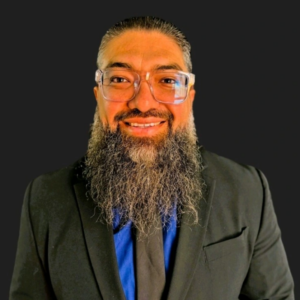
Richard Aguilar
Rural Dual Enrollment in Action
LESSONS AND STRATEGIES FROM THE CENTRAL VALLEY