Celebrating Our 25th Edition with a Look Back at 2022 E-Newsletter Stories
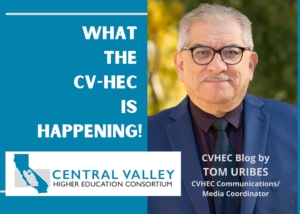
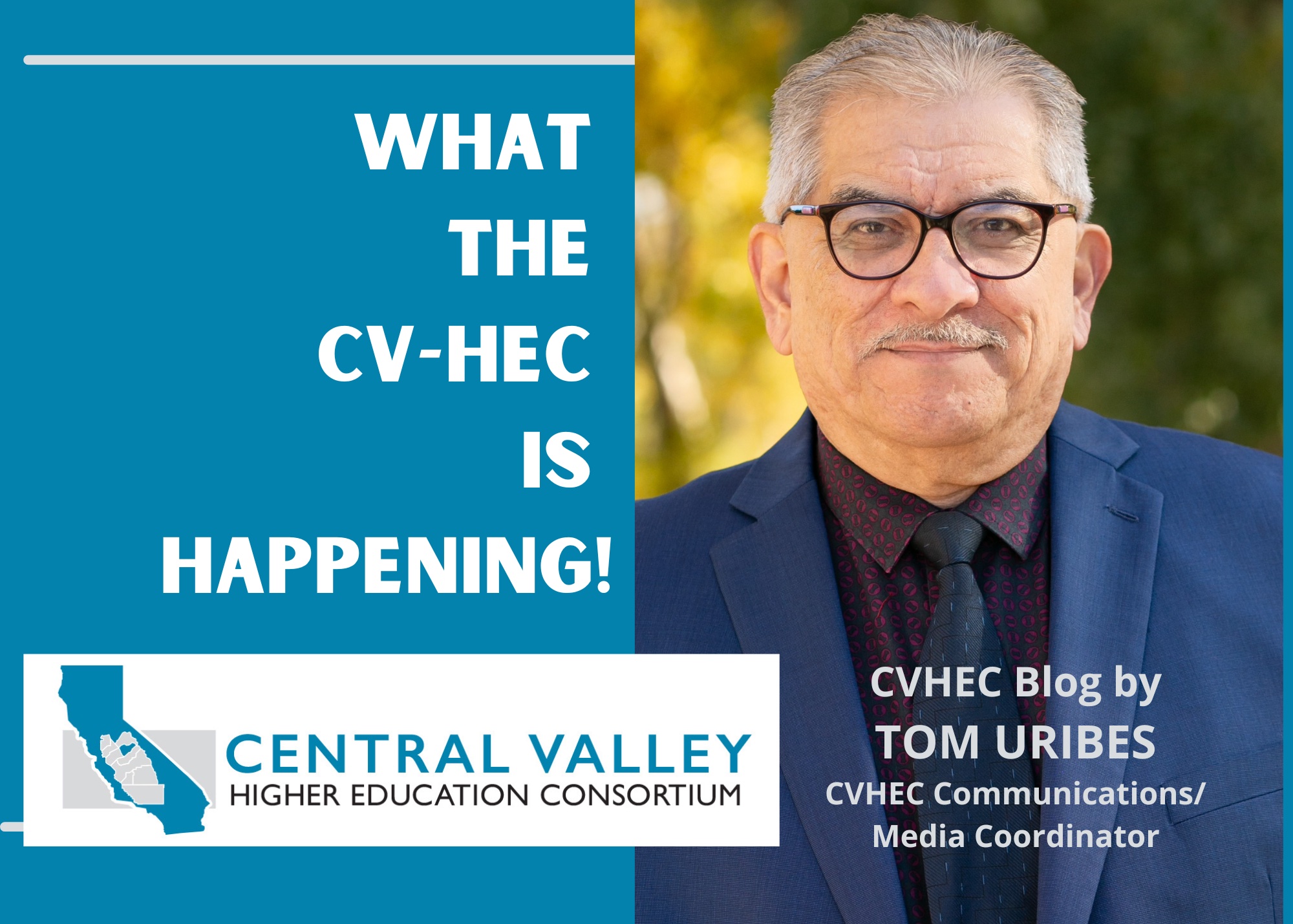
The December “What the CV-HEC is Happening” Blog is presented by Tom Uribes, CVHEC’s communications/media coordinator who joined CVHEC in 2020 after serving as a California State University public affairs specialist for two Fresno State offices in a 30-year career from 1988-2017: the University Outreach Services and University Communications offices, where he also served as the University’s public information officer for two decades of that career. Among his current projects is editor of the CVHEC e-newsletter which presents its 25th edition with this issue. His blog looks back at some of the newsletter stories published in 2022.
By Tom Uribes
CVHEC Communications/Media Coordinator
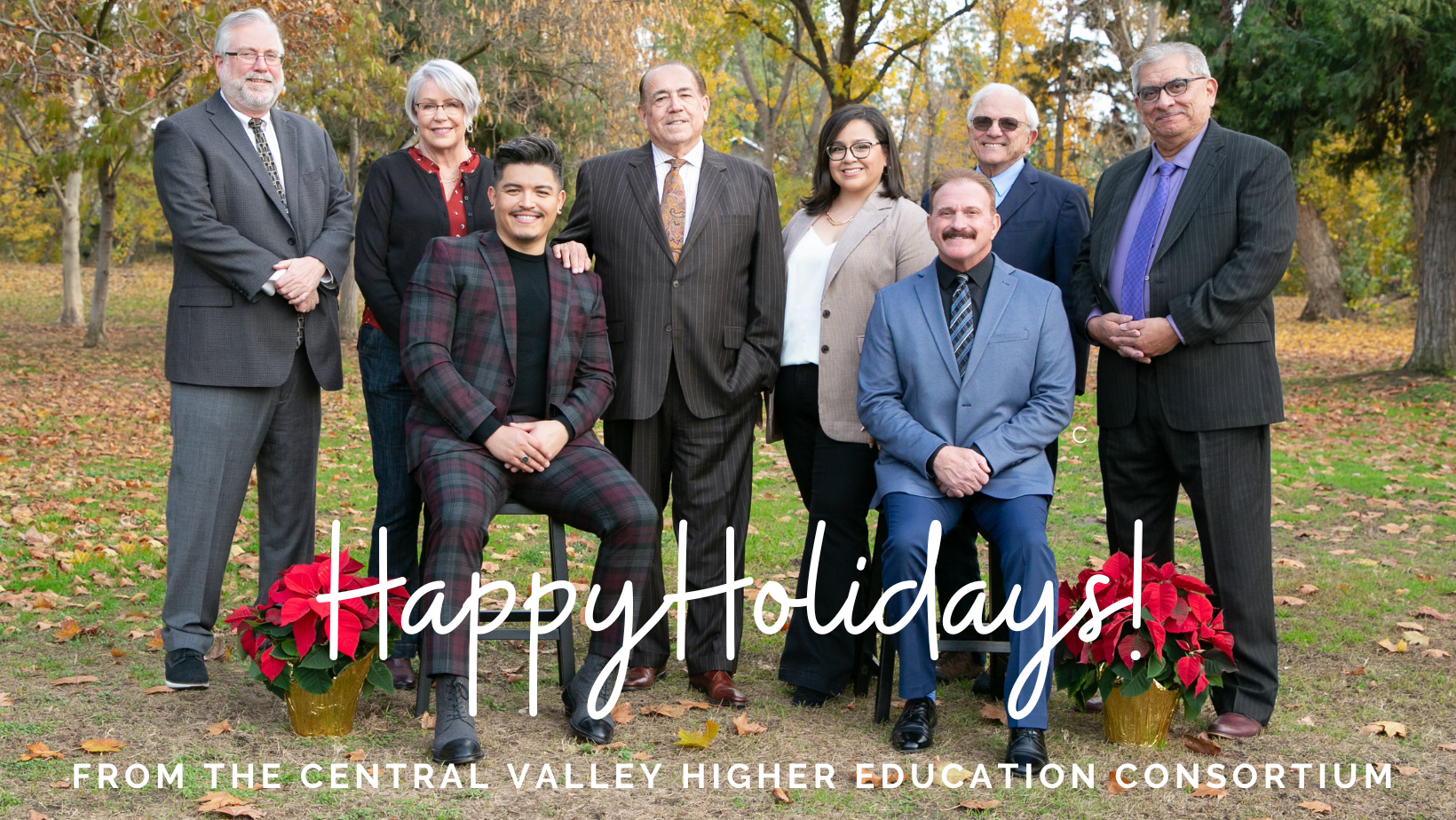
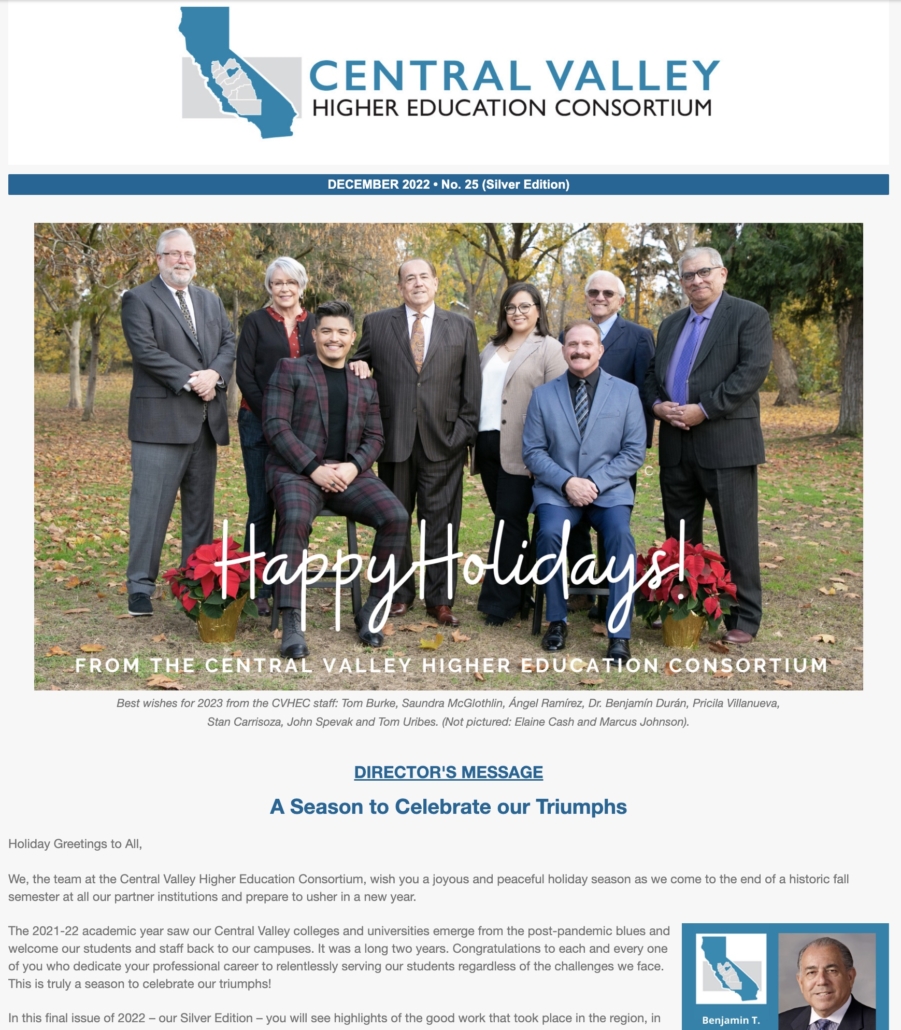
With the close of 2022 – and near resumption of post-pandemic “normal life” – we present our now annual review of top stories featured in the Central Valley Higher Education Consortium e-newsletter for this December issue: our 25th edition!
This Silver Edition of the CVHEC e-newsletter crowns a venture that started when I signed on with the Consortium in March, 2020 just as the pandemic broke — sending me back home after just one day in CVHEC’s office in Fresno to work out of a hastily revived bedroom office.
 Under the direction of my new CVHEC boss at the time, Virginia Madrid-Salazar (who I had hired as one of my first news interns when she was a Fresno State student in the late 80s), we published our first issue in June 2020 and when Virginia left us in August 2021 to play lawyer, Ángel Ramírez assumed this CVHEC communications partnership as my lead. His able and competent guidance and leadership has continued the solid foundation started by Virginia for the growth of this e-newsletter into this, its 25th edition.
We hope you enjoy this milestone issue — a compressed journey through the past 12 months of the Central Valley Higher Education Consortium. Topics range from our Dual Enrollment Convening and Legislative and Policy Summit in in the spring, the historic CVHEC Board of Directors quarterly meetings, the appointments of new campus leaders, the growth of our “What the CV-HEC is Happening” Blog first introduced in 2021 and more.
We strive to tell the CVHEC story: bringing together 30 Central Valley institutions of higher education through its board of directors made up the presidents and chancellors in the nine-county region who make history every time they meet to deliberate, act and speak as one voice on higher education issues and policies affecting our region — a feat not seen too often throughout the academia CEO world.
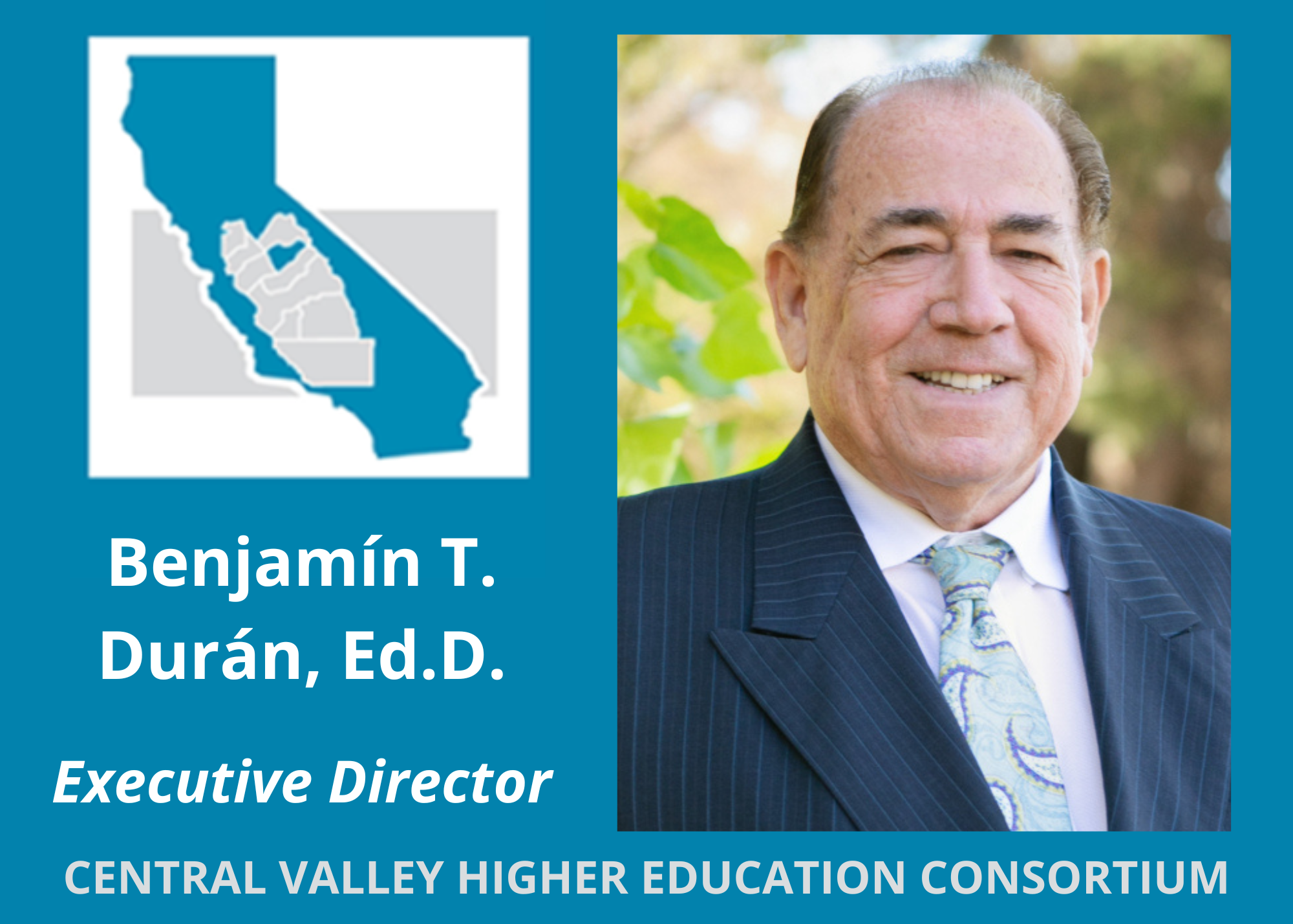
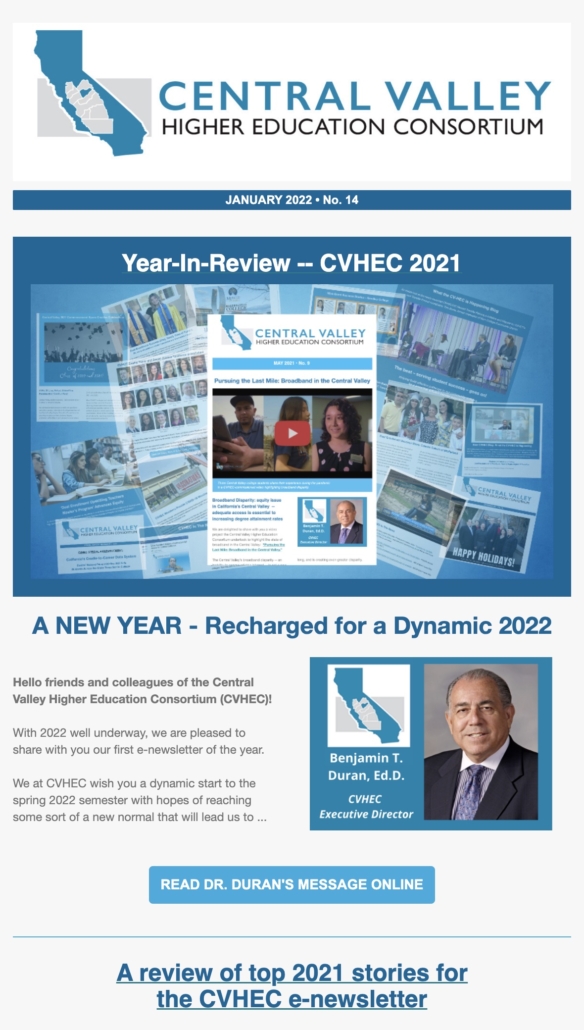
We presented our first year-in-review looking back at 2021 in January with Dr. Benjamín Durán, CVHEC executive director, ushering in the New Year in his monthly director’s message:
“We at CVHEC wish you a dynamic start to the spring 2022 semester with hopes of reaching some sort of a new normal that will lead us to working, meeting our students and convening in-person in the near future,” Dr. Duran messaged that month. “While the pandemic has put the squeeze on all of us the past two years, we are more determined than ever to conquer that challenge as we have so many others.”
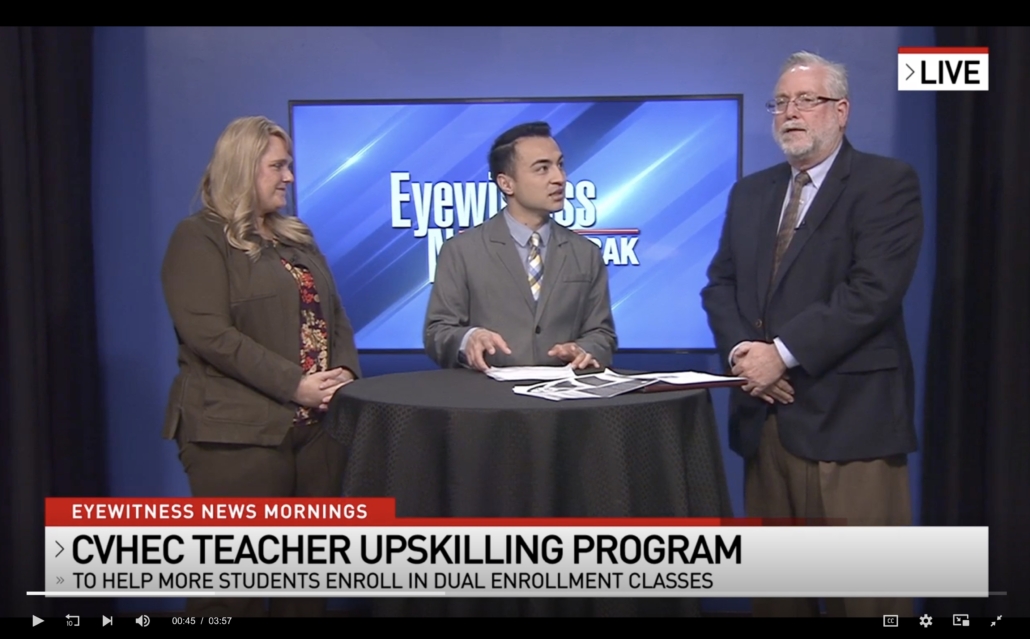
CV-HEC BLOG: Dual Enrollment – An Equity Change-Maker
Our first CV-HEC Guest Blog of the year in February featured a guest writer who was instrumental in planting seeds for our “What the CV-HEC is Happening” Blog, the aforementioned Virginia Madrid-Salazar, Esq., former CVHEC strategies lead turned private law practice dependency attorney. Virginia shared some observations on dual enrollment from her unique dual perspective stemming from when she worked with CVHEC setting up the CVDEEP and its convening and as a mom of a dual enrollment student.
“As the strategies lead for the Central Valley Higher Education Consortium, it was an honor to work alongside area educators to affect transformational changes that have occurred in the region’s higher education sphere during that period,” said Virginia who wrote CVHEC’s white paper in 2020: CVDEEP White Paper: “Dual Enrollment in the Central Valley, Working Toward a Unified Approach for Equity and Prosperity.”
Dual Enrollment Convening: Face-To-Face Space for K-12 and Higher Ed and new DE Video
More than 135 secondary and postsecondary educators assembled for the “Establishing Dual Enrollment Pathways in the Central Valley” Convening March 17 in Fresno to address challenges and barriers to dual enrollment success. Presented by CVHEC’s Central Valley Dual Enrollment for Equity and Prosperity (CVDEEP) Task Force, the five-hour convening was opened by Dr. Mayra A. Lara, associate director of Educator Engagement for The Education Trust-West, discussing her organization’s report, “Jumpstart California: A Roadmap for Equitable Dual Enrollment Policy & Practice.”
The event also featured the premiere of CVHEC’s latest education video, “Blurring the Lines Between High School and College: Dual Enrollment in the Central Valley.” The video depicts three student success stories as well as three area educators advocating for dual enrollment including CVHEC board members Dr. Kristin Clark, chancellor of the West Hills Community College District, and Dr. Chris Vitelli, president of Merced College. Convening participants also heard four valley students – including three from the video — share their success stories. Two completed associate degrees before their high school graduation. See press release.
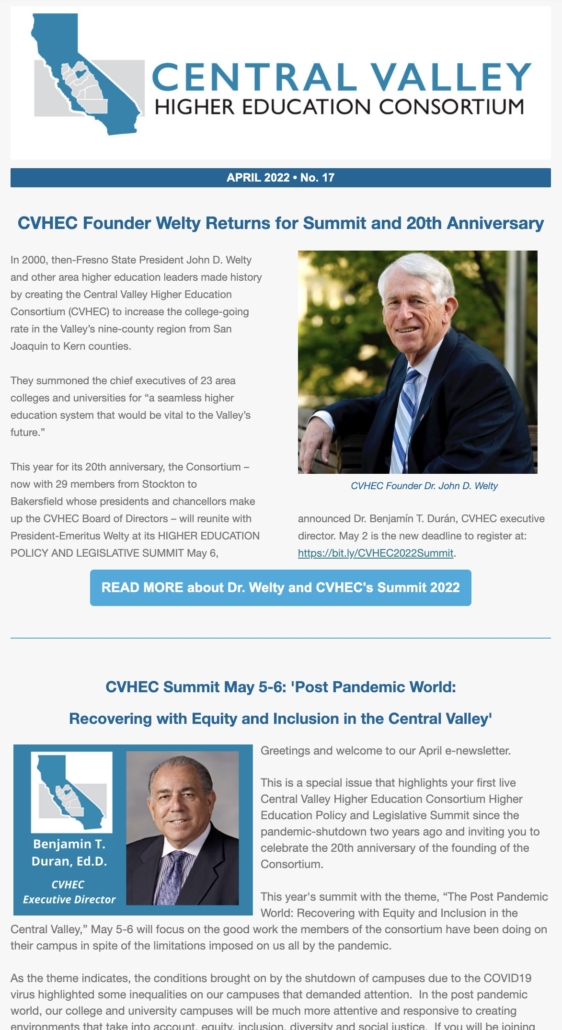
CVHEC Founder Welty To Return for Summit and 20th Anniversary
This year for our 20th anniversary, the Consortium reunited with President-Emeritus John D. Welty, CVHEC’s founding president at our Higher Education Policy And Legislative Summit May 6, where the founding president witnessed a 30th member added to the board (see May).
SUMMIT NEWS: Attendees Hear the Voice of Student Experiences
A special feature of the 2022 CHEVC Summit was the student experiences panel including students who were featured in two Central Valley Higher Education Consortium videos in the past year.
CVHEC’s Higher Education Policy and Legislative Summit (Photo Gallery)
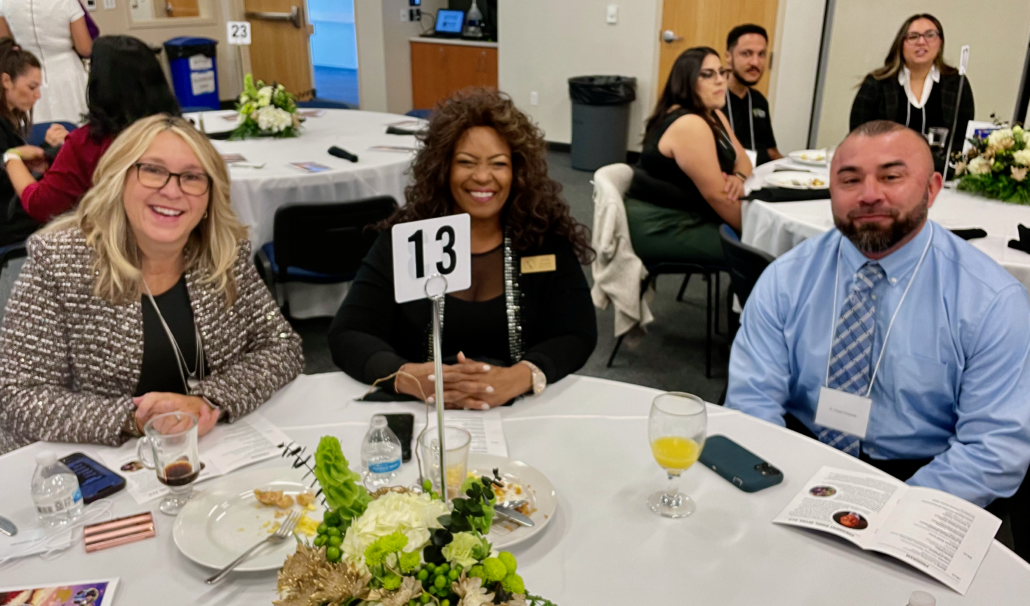
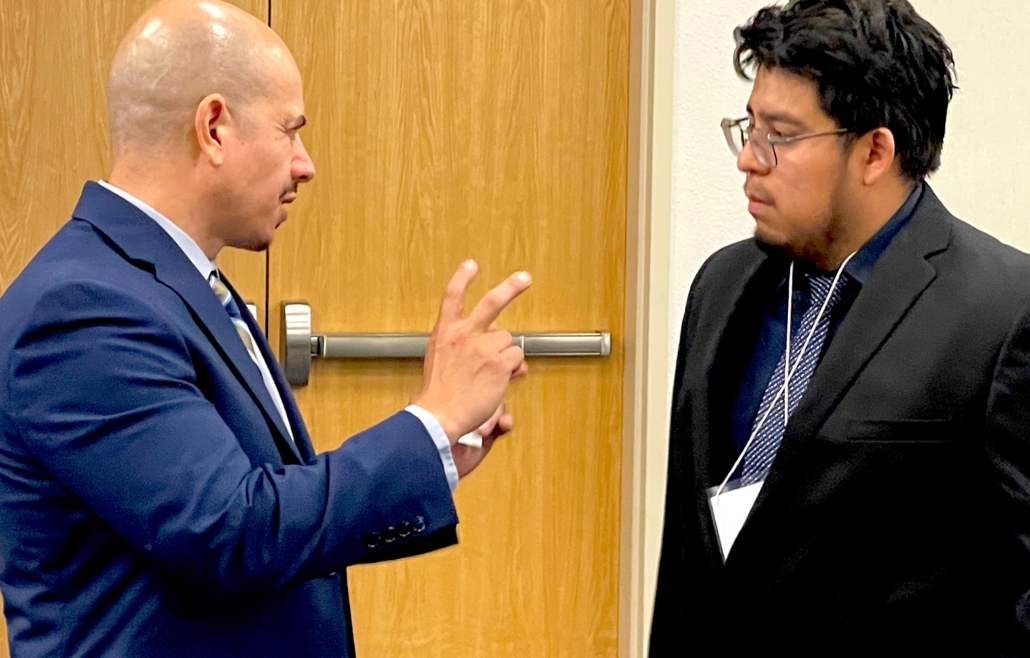
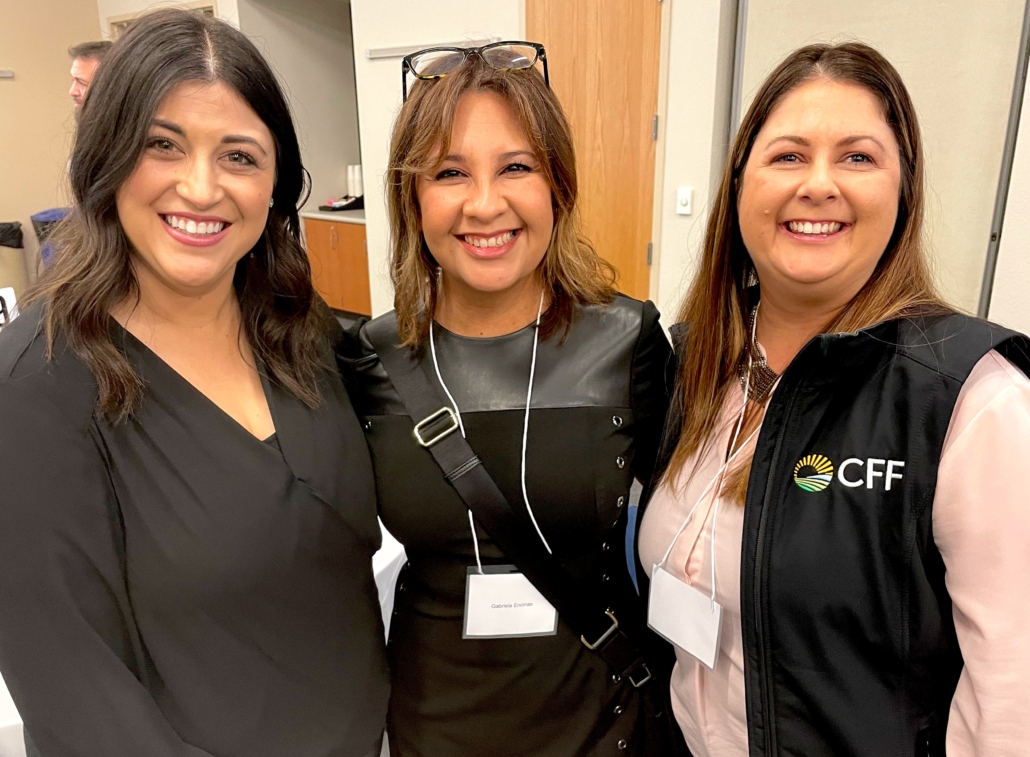
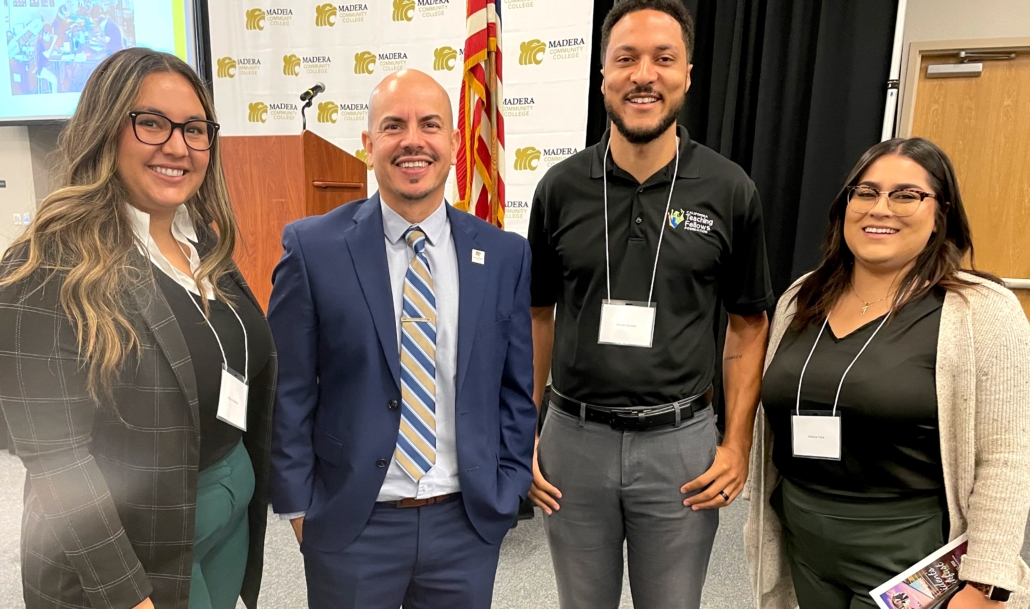
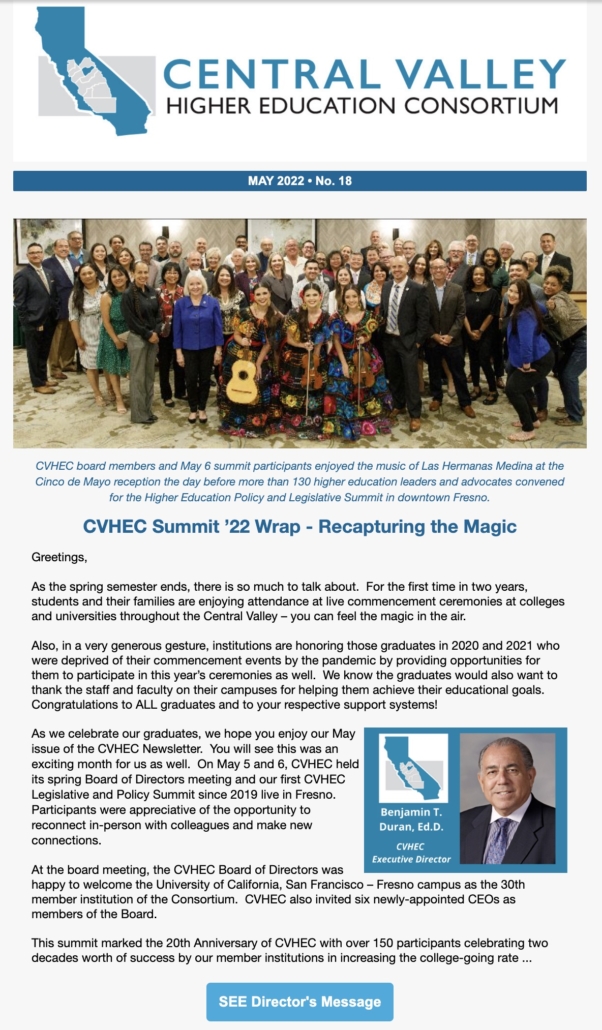
Nearly 300 intersegmental educators, legislators and partner representatives from throughout the Central Valley and the state joined us for our Higher Education Policy and Legislative Summit May 5-6 to examine such issues as equity, dual enrollment, transfer pathways and broadband disparity and access under the theme, “Post Pandemic World: Recovering with Equity and Inclusion in the Central Valley.” The event marked CVHEC’s 20th anniversary featuring the return of founding board of directors president Dr. John D. Welty, president-emeritus of Fresno State, who joined fellow founding board members Dr. Frank Gornick, West Hills Community College District chancellor-emeritus, and Dr. Benjamin Duran, Merced College president-emeritus and current CVHEC executive director, on a summit panel recalling the early days of the consortium. A special feature of the 2022 CHEVC Summit was the student experiences panel including students who were featured in two Central Valley Higher Education Consortium videos in the past year. The night before (May 5), CVHEC presented its Cinco de Mayo Reception providing the occasion to reconnect in-person with colleagues, new and old, after a two-year pandemic-forced hiatus from in-person convenings. The reception featured Las Hermanas Medinas from Hanford, two college grads and a current student (two of the three attended CVHEC member institution Fresno State and the third is a UC Santa Cruz alumna). See summit agenda.
BOARD NEWS: UCSF-Fresno Becomes CVHEC’s 30th Institution of Higher Education Member
At its quarterly meeting May 5, the CVHEC Board of Directors formally accepted the membership application from the University of California San Francisco – Fresno Campus and welcomed the 30th institution of higher education to join the Consortium. Michael W. Peterson, MD/MACP, associate dean for Undergraduate Medical Education and Research at the UCSF-Fresno Campus, was seated on the Consortium board joining the presidents and chancellors of 29 colleges and universities in the nine-county region from San Joaquin to Kern counties.
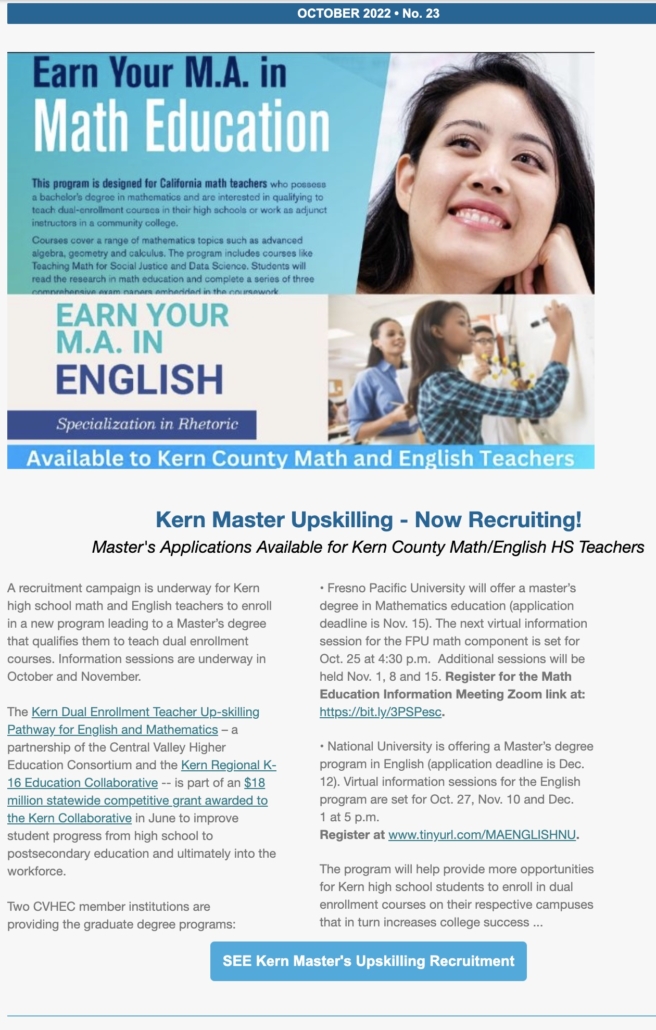
CVHEC Teacher Upskilling for Master’s Degrees Supports Dual Enrollment in South Valley Via Kern K-16 Collaborative
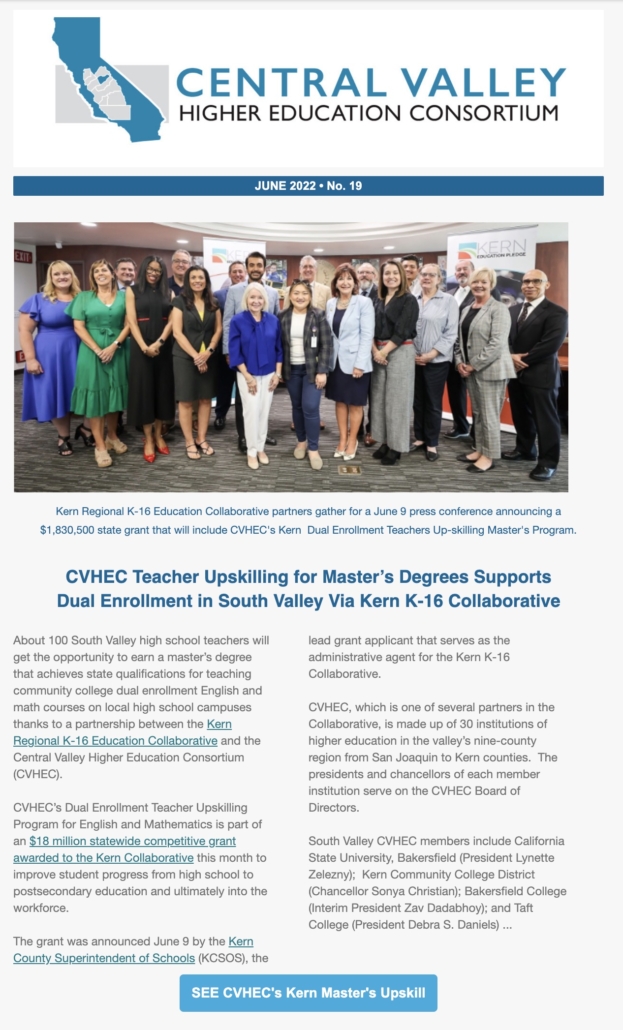
CVHEC’s Dual Enrollment Teacher Upskilling Program for English and Mathematics pilot program first launched in Fresno by CVHEC in 2021 was funded in June for the South Valley. In partnership with the Kern Regional K-16 Education Collaborative, the program will provide 100 South Valley high school teachers with the opportunity to earn a master’s degree that achieves state qualifications for teaching community college dual enrollment English and math courses on local high school campuses.
Dr. Krista Herrera was named executive director of the newly formed Kern Regional K-16 Education Collaborative, a partnership between Kern County Superintendent Of Schools, institutes of higher education including the Central Valley Higher Education Consortium and Kern business partners to significantly expand Kern County’s workforce development efforts (reported in our July issue).
CVHEC BLOG: UC Enrollment Push Supported by CVHEC/UC Merced Transfer Project and new Mapper Software
The June “What The CV-HEC Is Happening” Blog featured guest contributor Dr. James Zimmerman, senior associate vice provost and dean for Undergraduate Education at the University of California-Merced where he is also director of the Center for Engaged Teaching and Learning and a physics professor. He serves on the CVHEC/UC Merced Transfer Project committee and for this blog he connects the committee’s work the past year to a recent article on UC enrollment expansion.
Pathway for Community College Students to the Medical Field: California Medicine Scholars Program-SJV: a collab of UCSF Fresno and CVHEC members
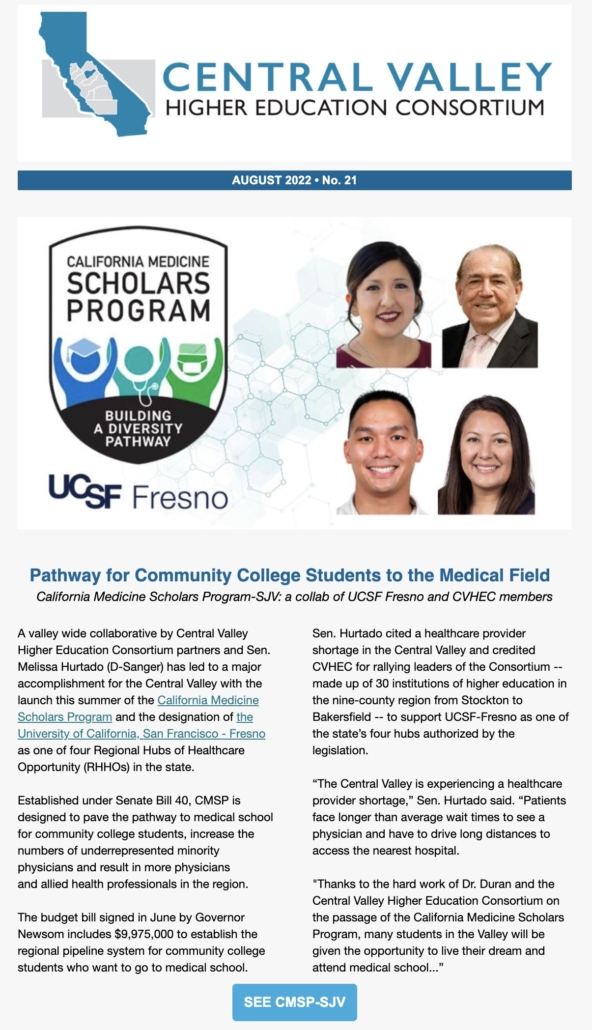
A valley wide collaborative by CVHEC partners and Sen. Melissa Hurtado (D-Sanger) led to a major accomplishment for the Central Valley with the launch this summer of the California Medicine Scholars Program and the designation of the University of California, San Francisco – Fresno as one of four Regional Hubs of Healthcare Opportunity (RHHOs) in the state. Sen. Hurtado cited a healthcare provider shortage in the Central Valley and credited CVHEC for rallying leaders of the Consortium from Stockton to Bakersfield to support UCSF-Fresno as one of the state’s four hubs authorized by the legislation.
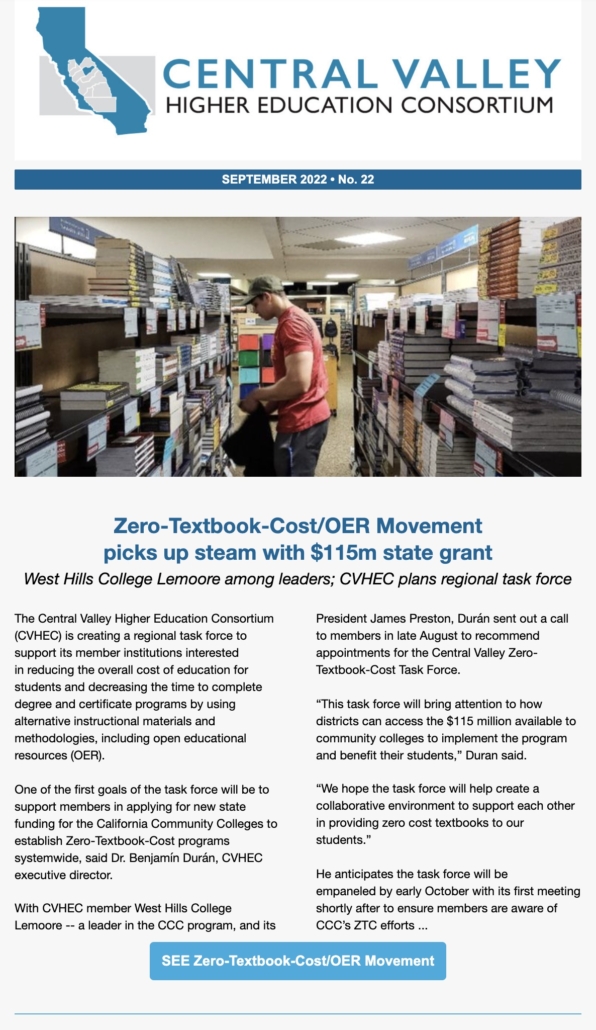
Zero-Textbook-Cost/OER Movement picks up steam with $115m state grant West Hills College Lemoore among leaders; CVHEC plans regional task force
The Central Valley Higher Education Consortium (CVHEC) is creating a regional task force to support its member institutions interested in reducing the overall cost of education for students and decreasing the time to complete degree and certificate programs by using alternative instructional materials and methodologies, including open educational resources (OER).
CV-HEC BLOG: The ZTC/OER Movement
The September blog is the first by a CVHEC Board of Directors member: West Hills College-Lemoore President James Preston who writes about the Zero Textbook Cost (ZTC) Program and the California Community College Chancellor’s Office supporting the system with $115 million to do the work in the “OERevolution” (Open Educational Resources).
CVHEC NEWS: Elaine Cash Is Grants & Program Coordinator as Consortium Grows
Educator Elaine C. Cash, retired superintendent of Riverdale Joint Unified School District and a K-12 liaison for the Central Valley Higher Education Consortium since 2017, was named to a full-time position as CVHEC’s Grants & Programs coordinator. In her new capacity effective Oct. 1, Elaine is responsible for grant writing, management and reporting of grants and sponsored programs, announced CVHEC Executive Director Dr. Benjamín Durán. “This new position for CVHEC will help support the growth and sustainability of the consortium and our work,” Durán said.
MINI GRANT SUCCESS STORY: AOA Journal Features CHSU ‘Pre-Med Bootcamp’ for Promoting Cultural Competency, Osteopathic Medicine Awareness
The Pre-Med Bootcamp Program of the California Health Sciences University College of Osteopathic Medicine was recognized nationally for its success in promoting cultural competency and osteopathic medicine awareness and assisting students in applying for the medical school. The bootcamp, held in 2019 and the first of five held since then, was supported by a Central Valley Higher Education Consortium Mini-Grant.
North Valley, East Sierra CVHEC Members Partner for K-16 Collaboratives State Planning Grants Could Lead to Expansion of CVHEC’s Dual Enrollment Initiatives
Two more Central Valley regions – North San Joaquin and Eastern Sierra – were each awarded one-year $250,000 state planning grants for the establishment of Regional K-16 Education Collaboratives Grant Programs as part of the statewide drive to strengthen the K-16 education-to-career pipeline. Both collaborative efforts are headed by Central Valley Higher Education Consortium member institutions.
In the Northern San Joaquin Region, the University of California, Merced is the lead agency for the newly formed North Valley Tri-County Workforce and Education (WE Will!) Regional Collaborative that includes four other fellow CVHEC-members: Merced College, Modesto Junior College, San Joaquin Delta College and California State University, Stanislaus. For the Eastern Sierra Region, CVHEC-member Columbia College is heading up the K-16 collaborative planning along with several school districts, colleges and employer groups. These allocations amount to a total of four such collaboratives involving CVHEC members that will help bolster dual enrollment initiatives like the consortium’s successful Master’s Upskilling Program that has already been implemented in the mid valley region through the Fresno-Madera K-16 Collaborative and will be getting underway in 2023 in the south valley area through the Kern K-16 Collaborative.
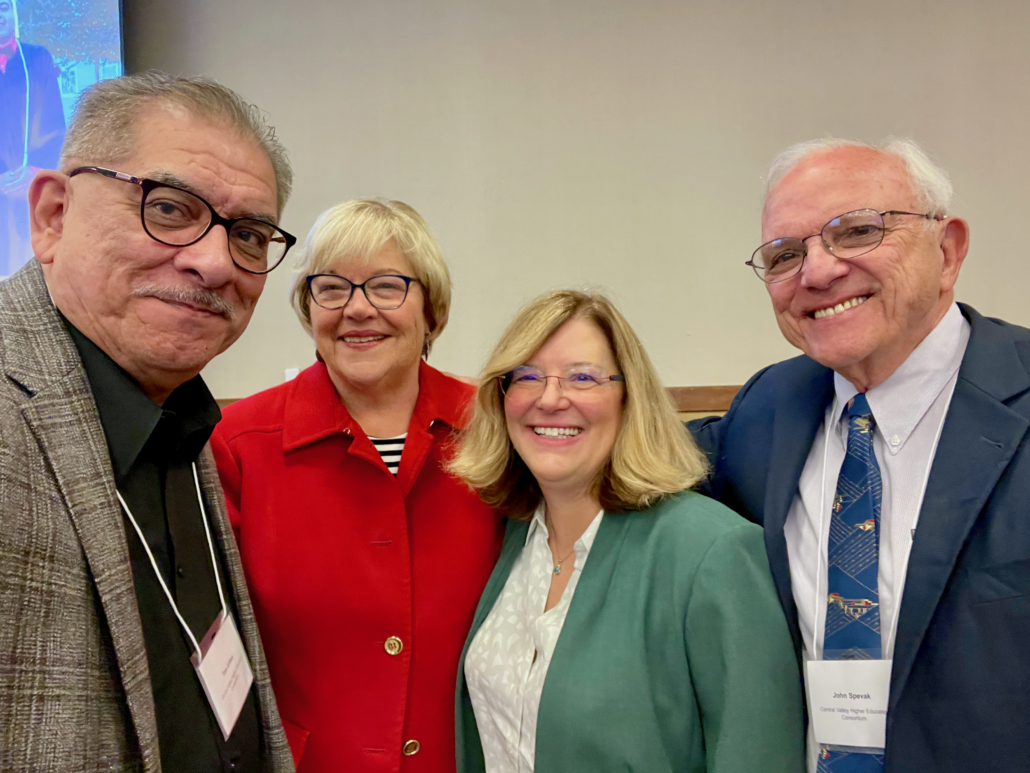
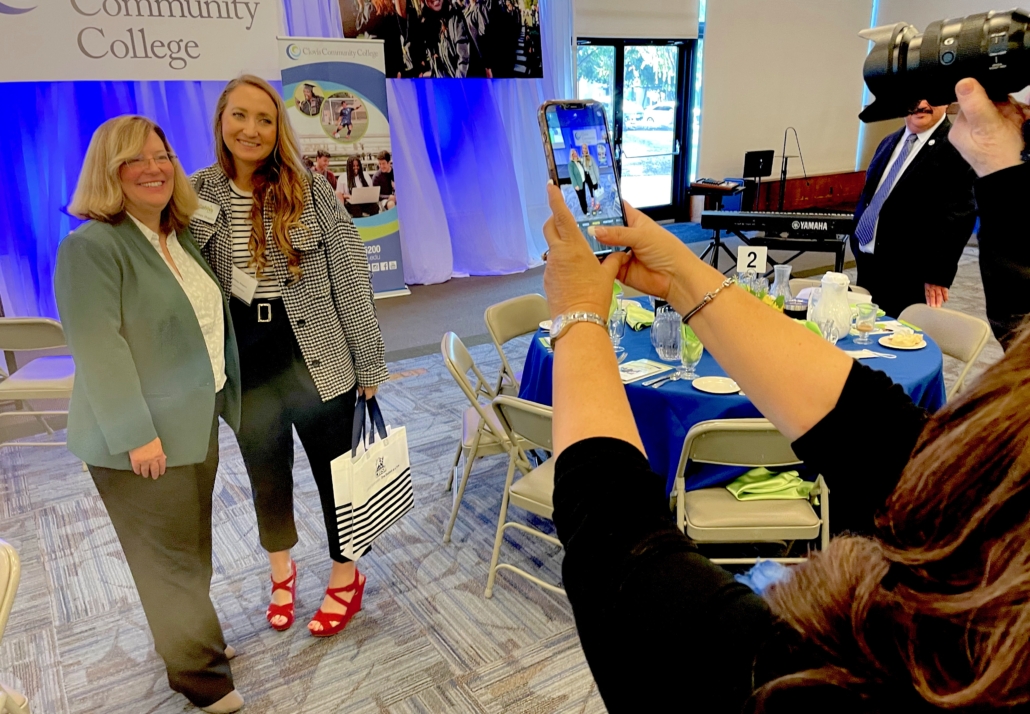
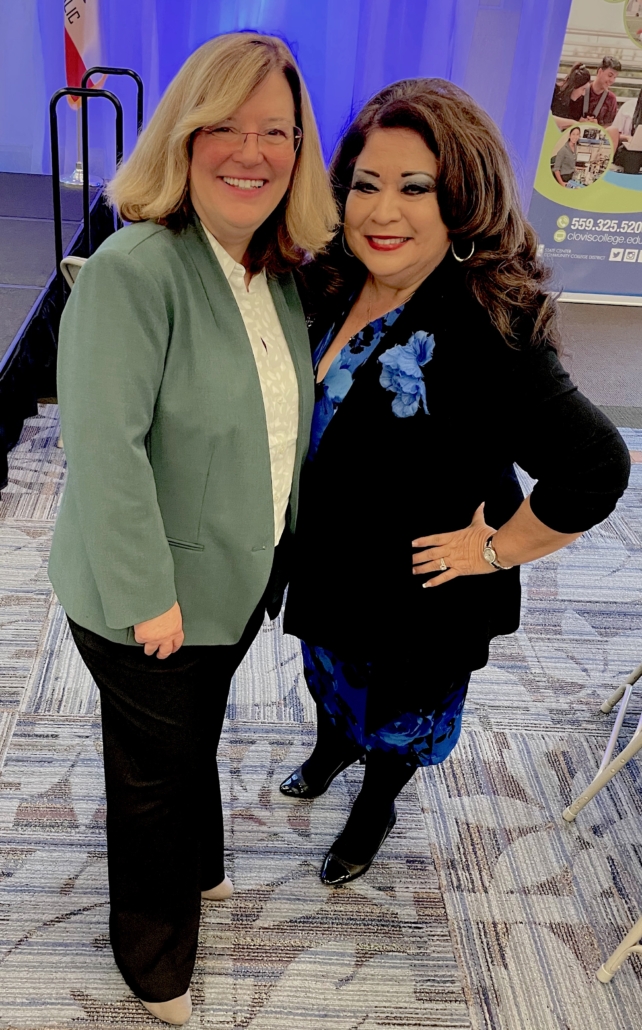
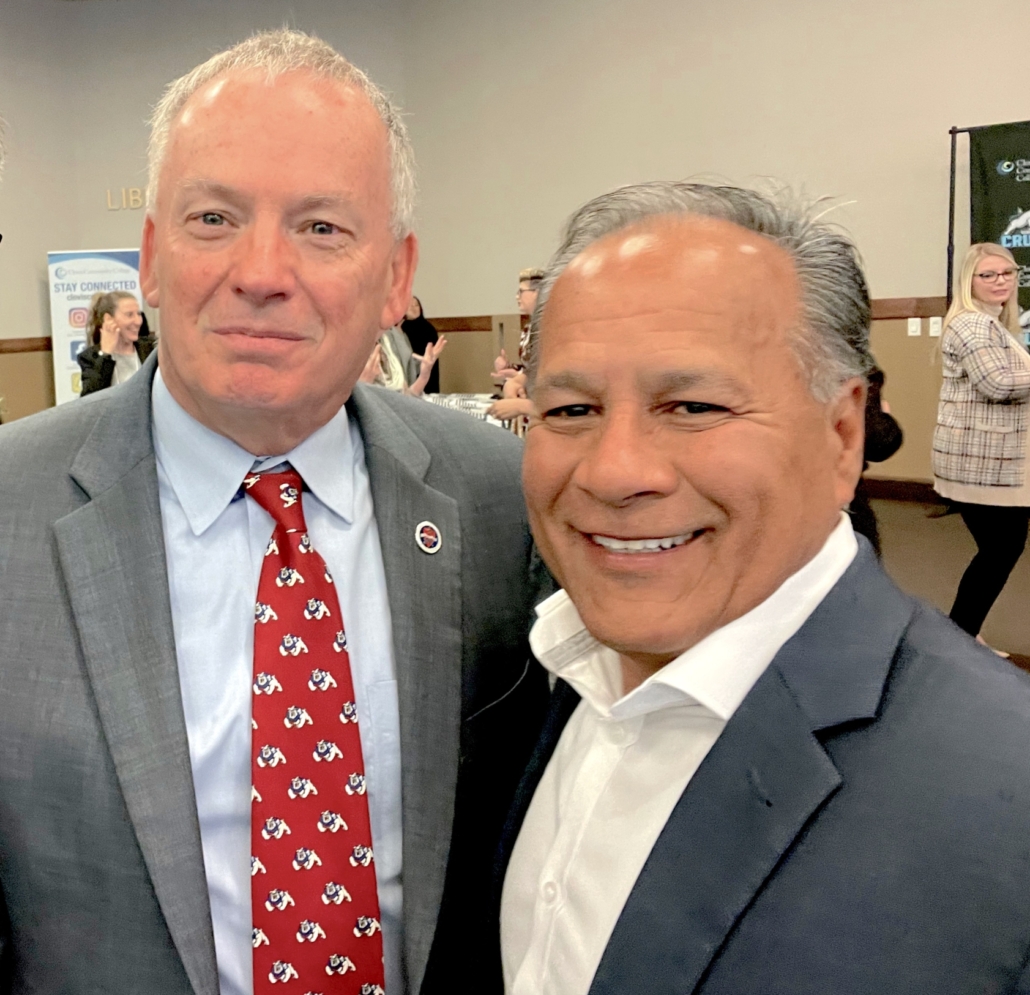
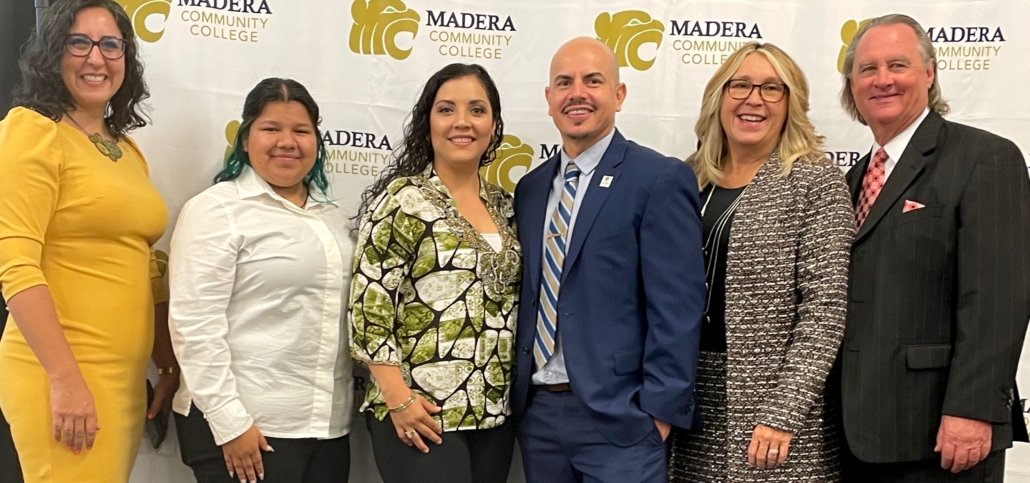
CVHEC Board Winter Meets (Photo Gallery)
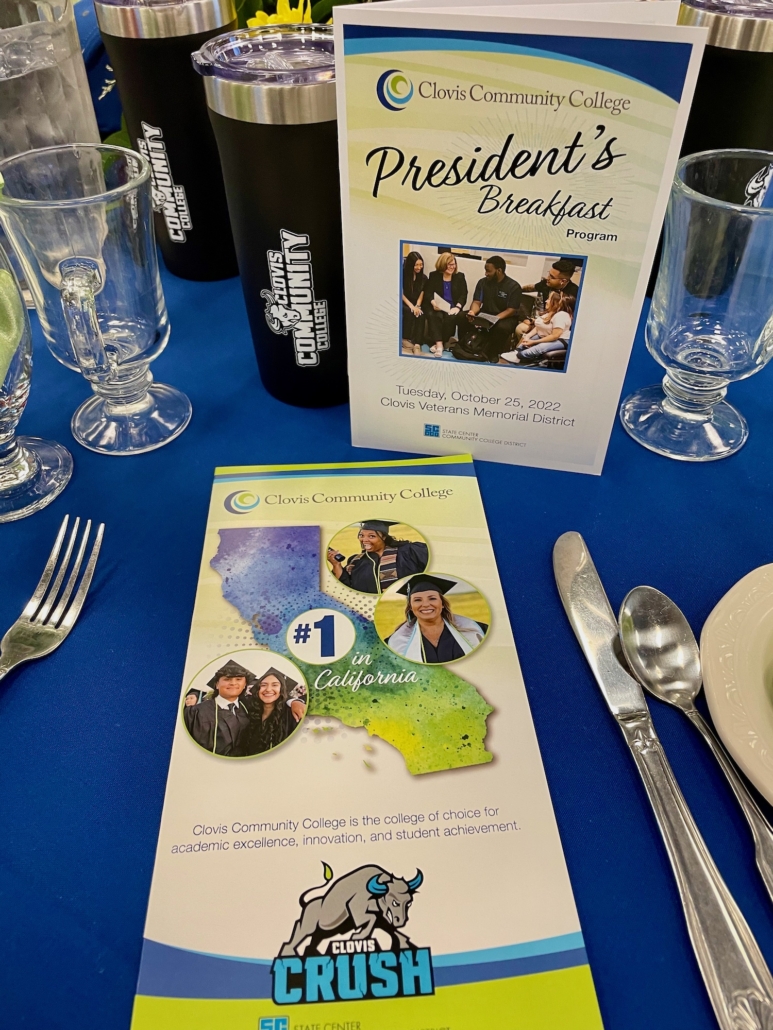
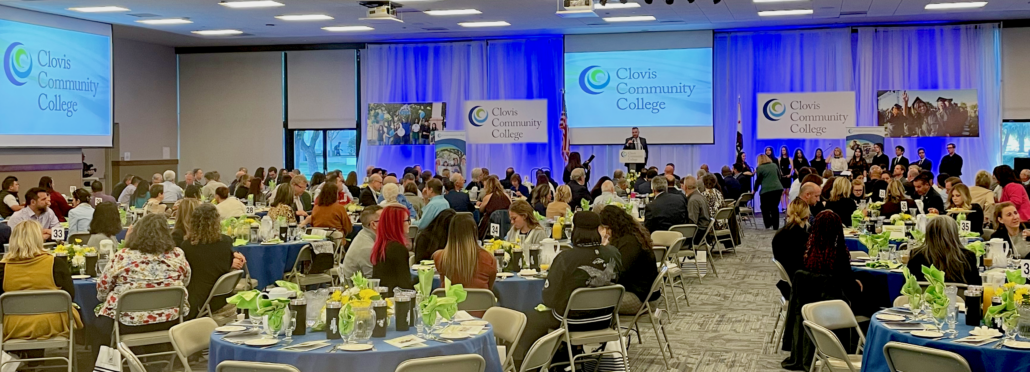
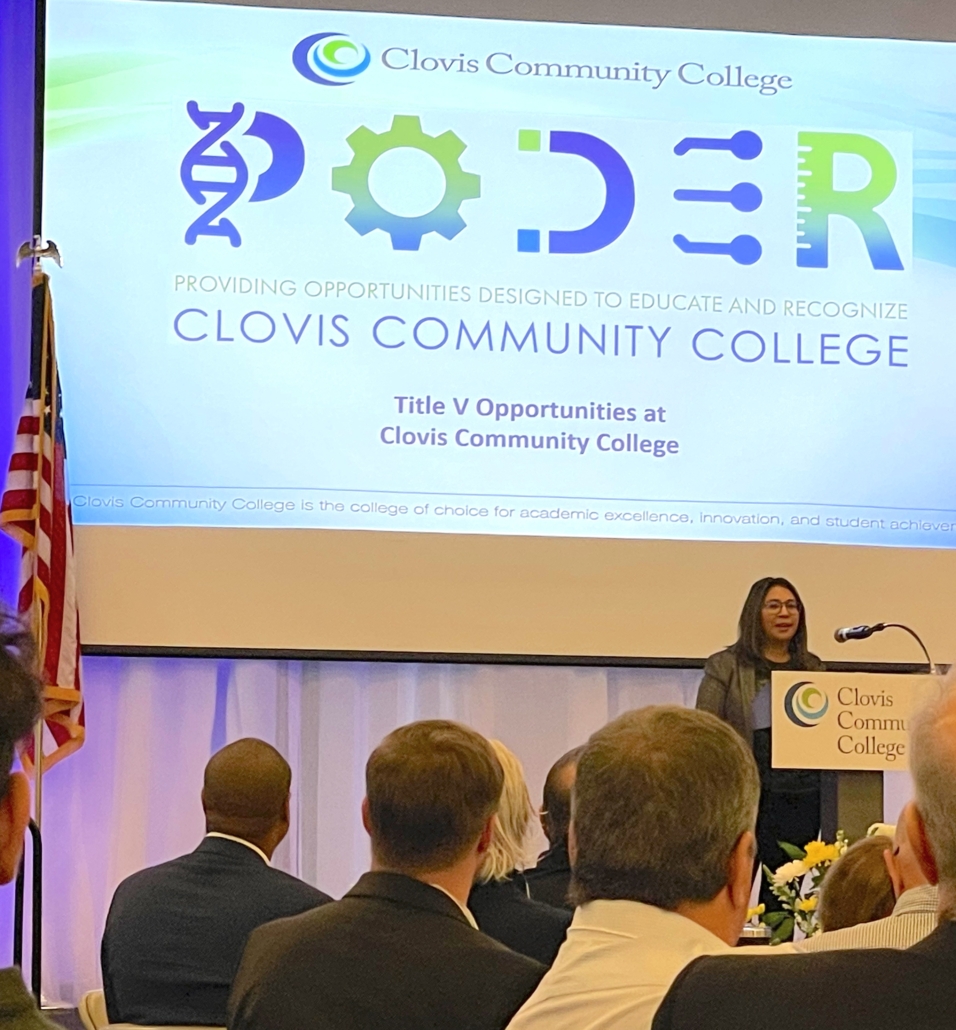
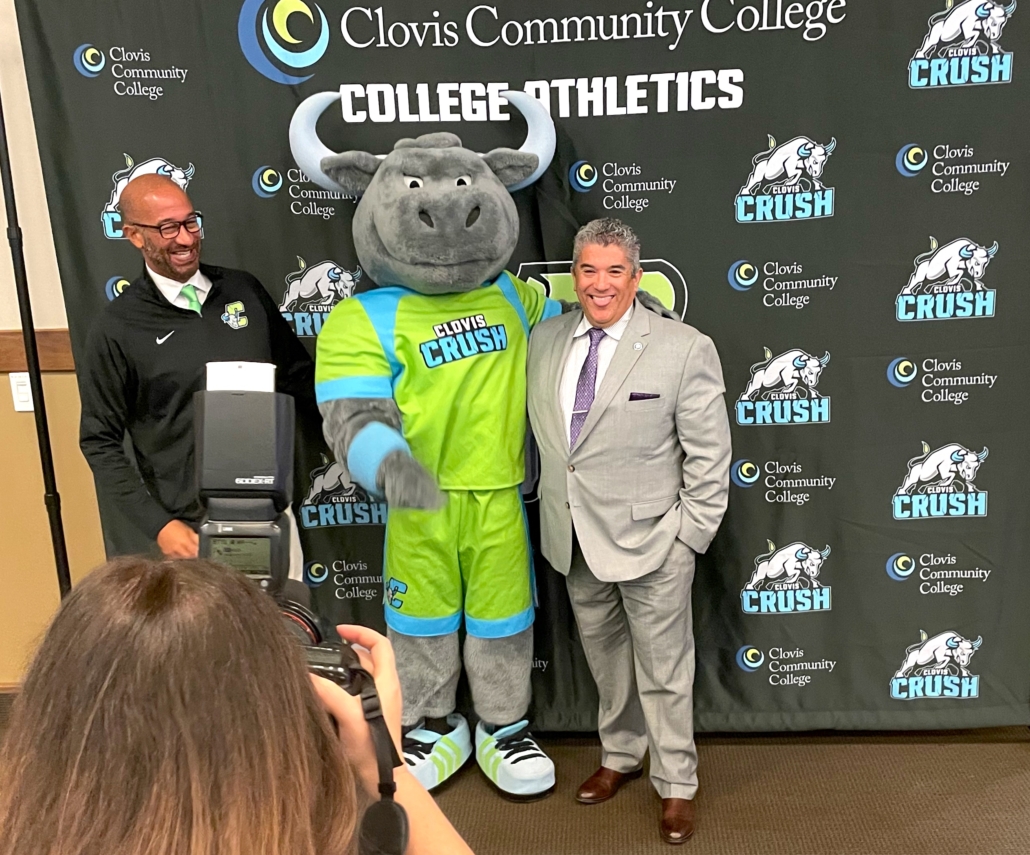
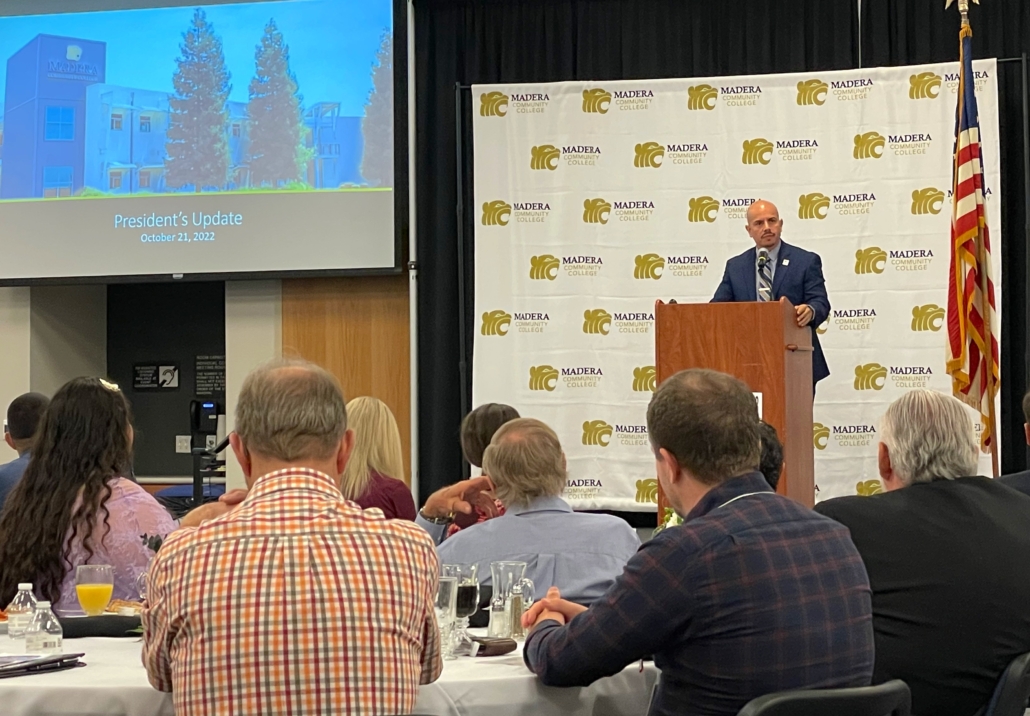
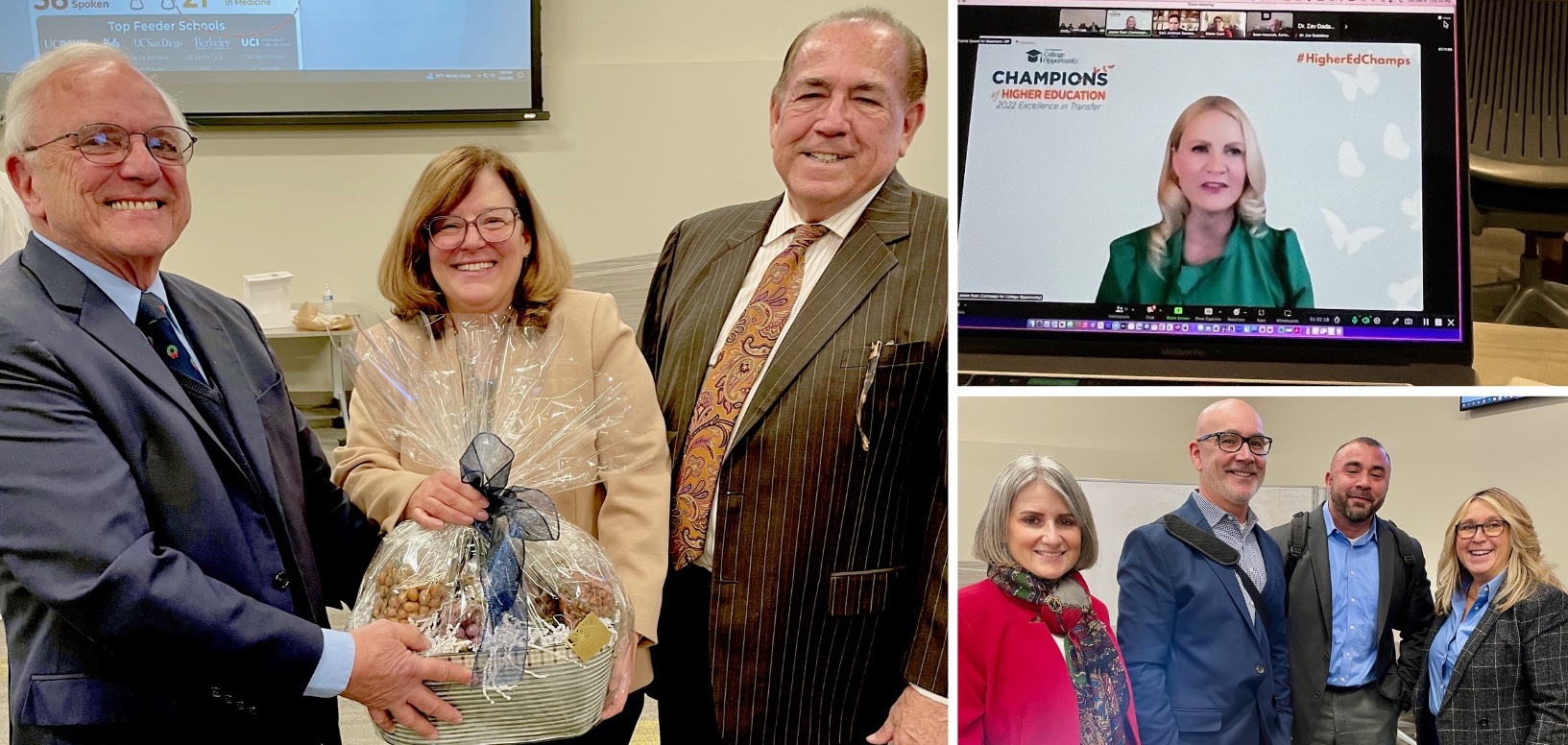
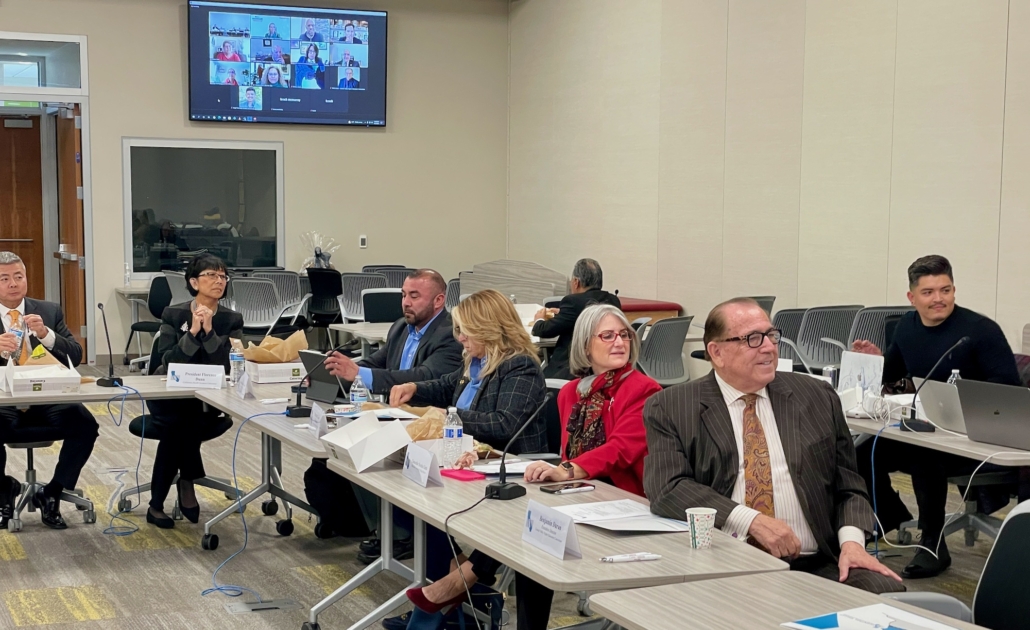
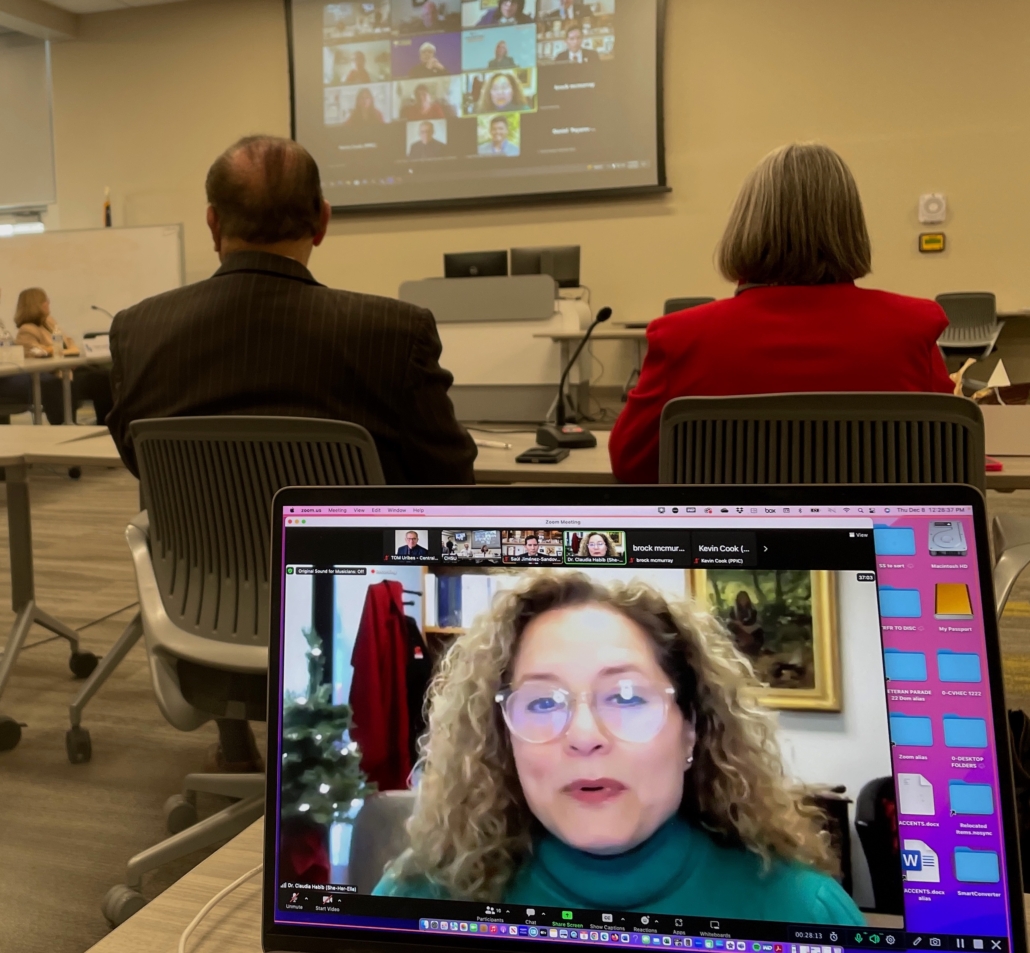
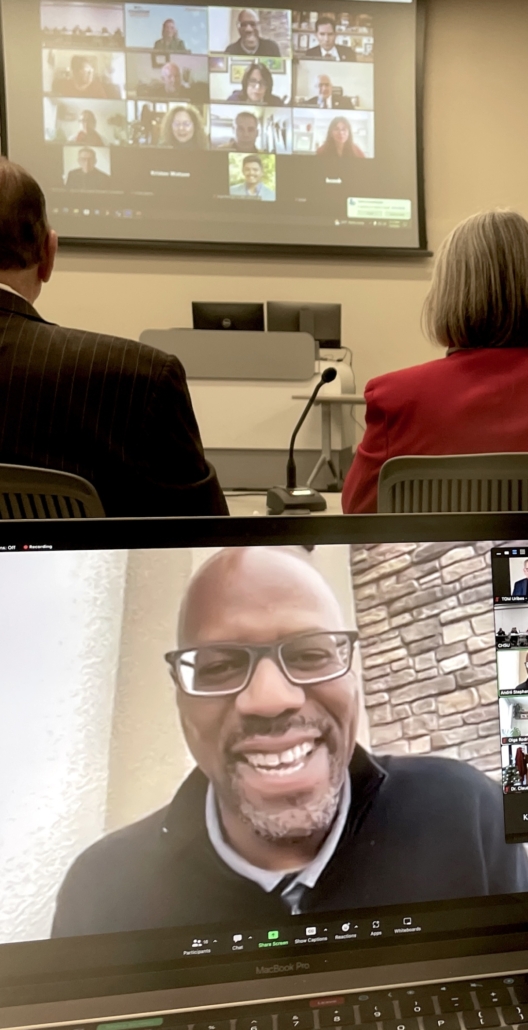
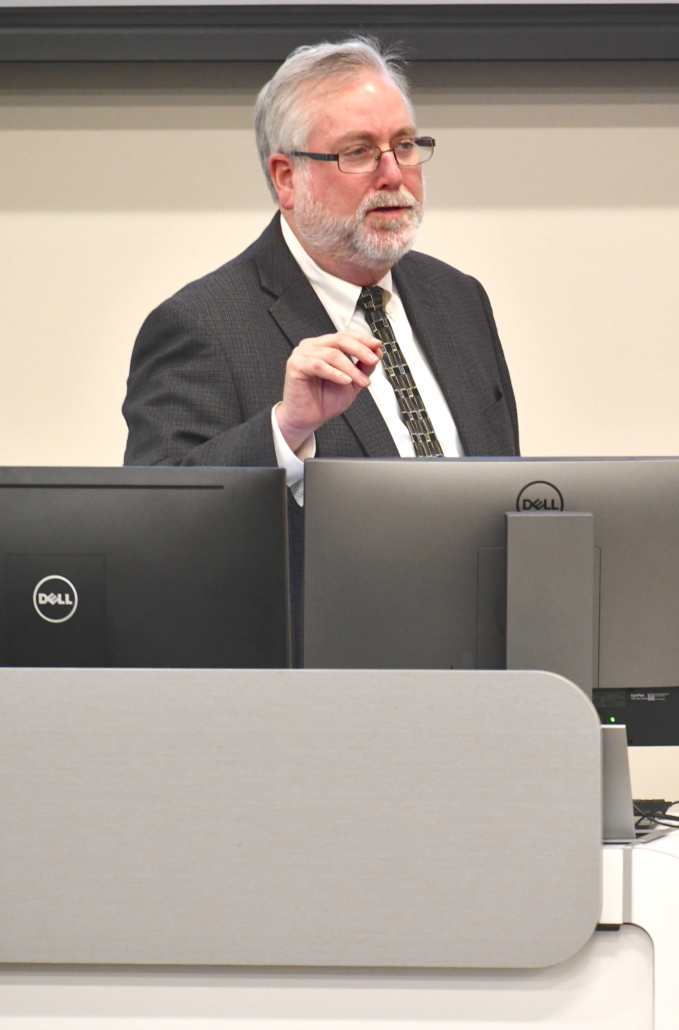
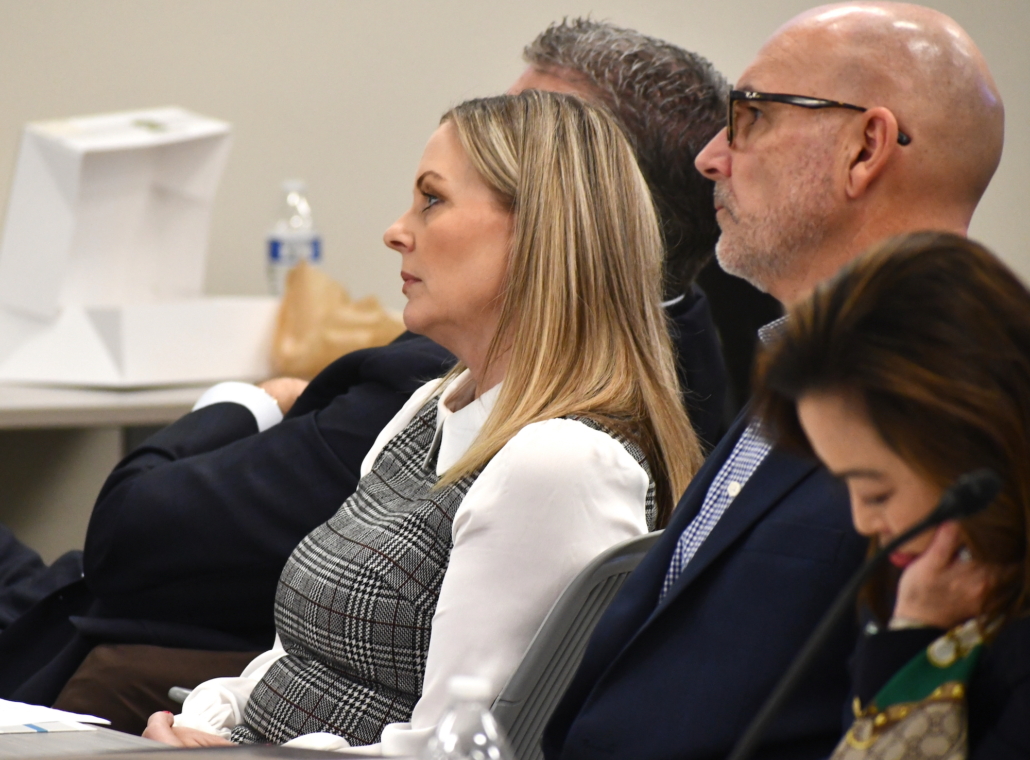
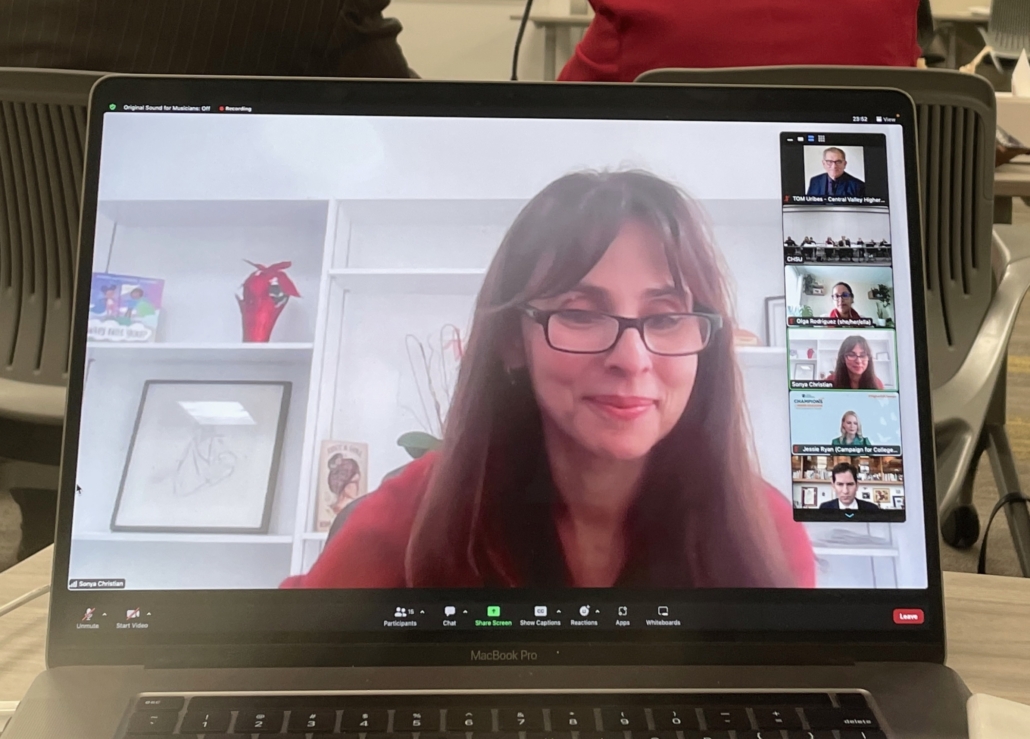
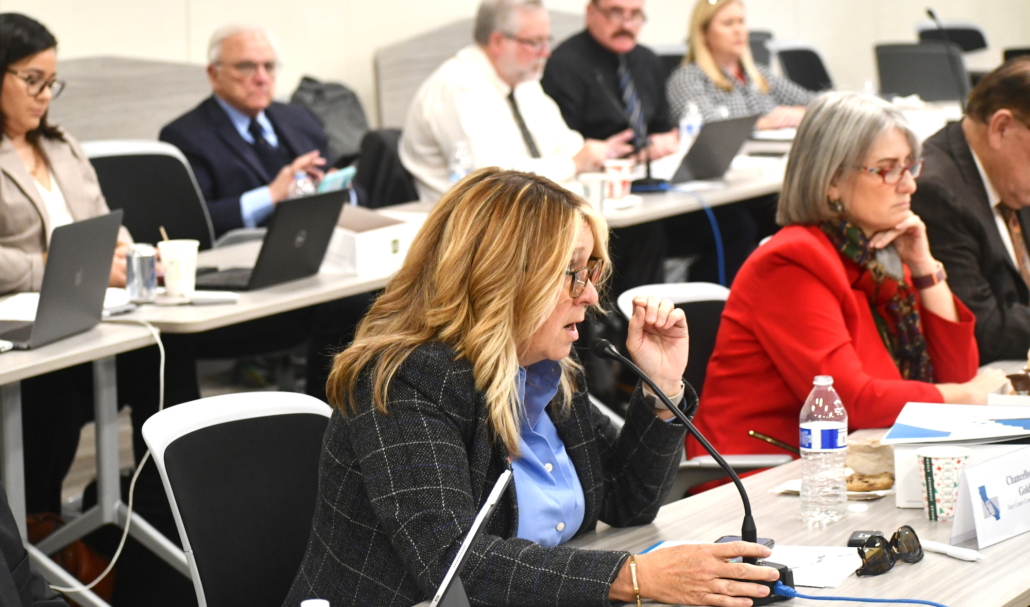
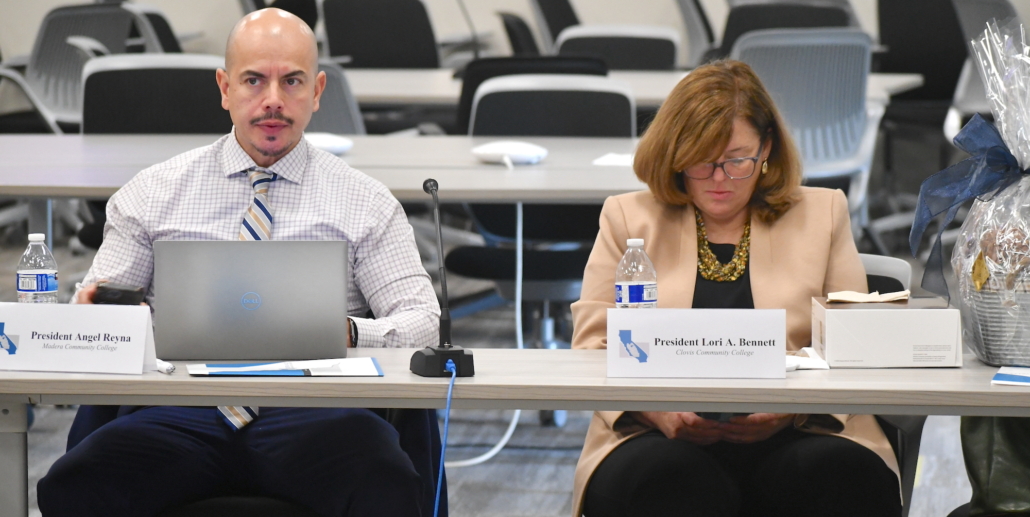
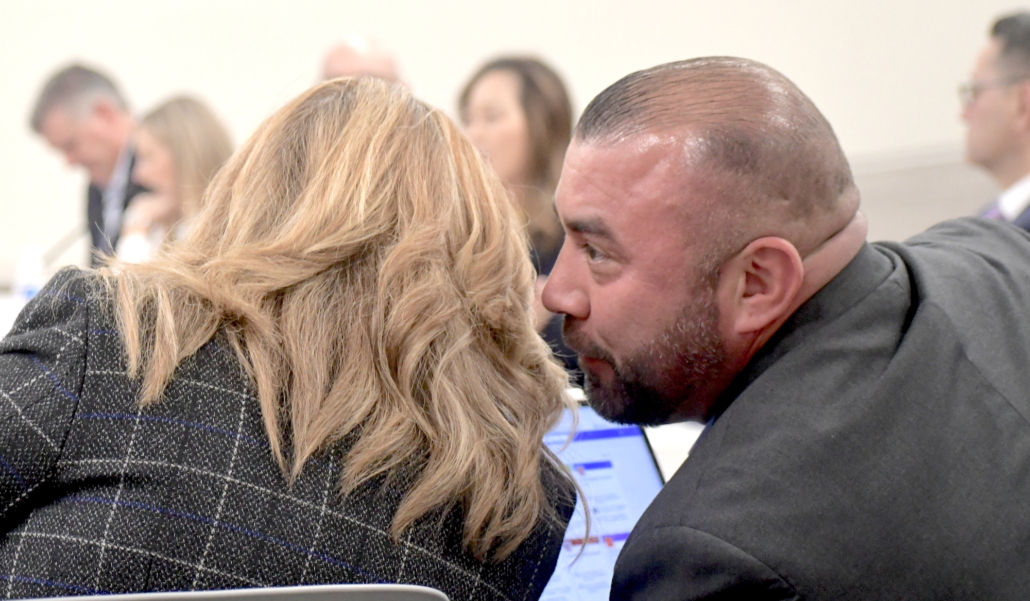
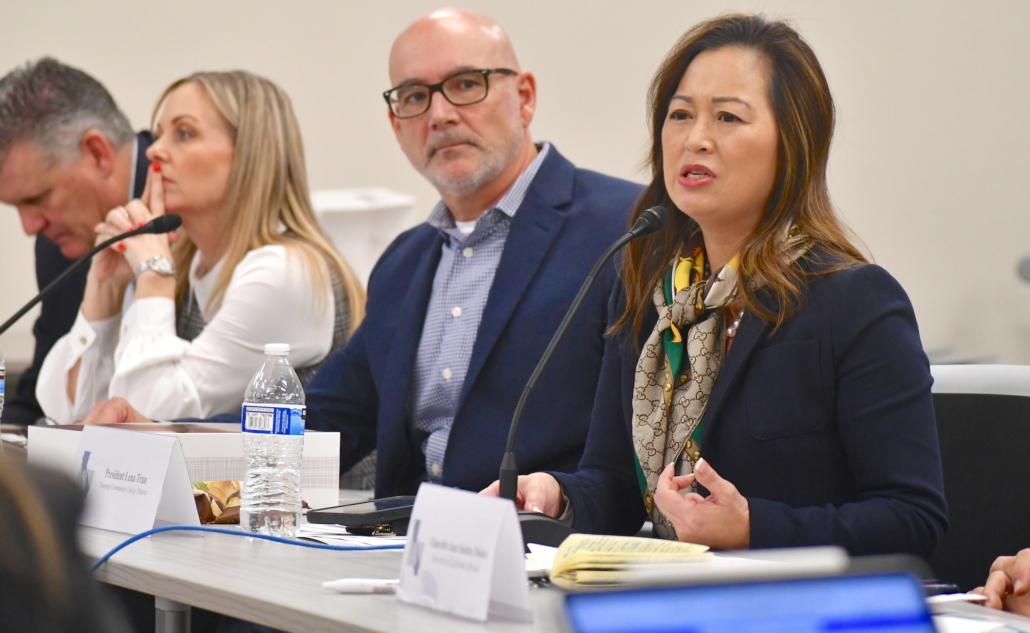
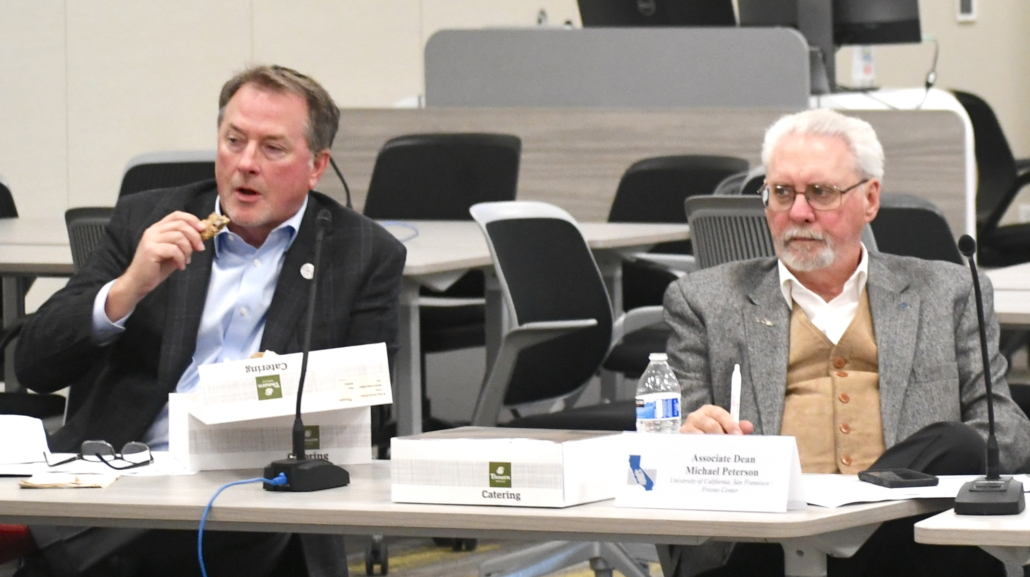
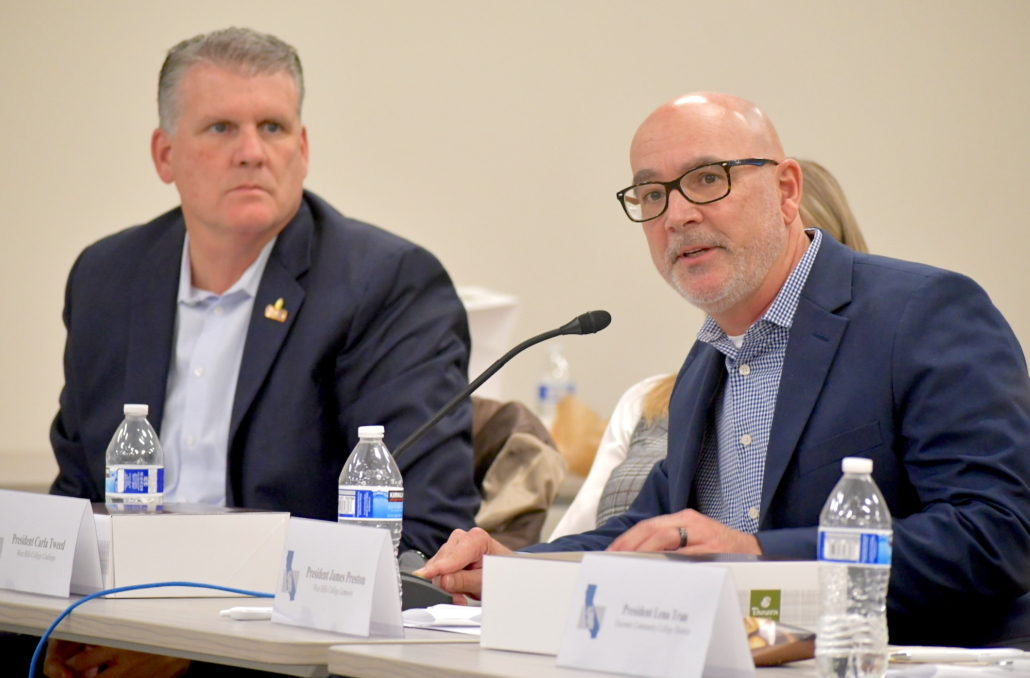
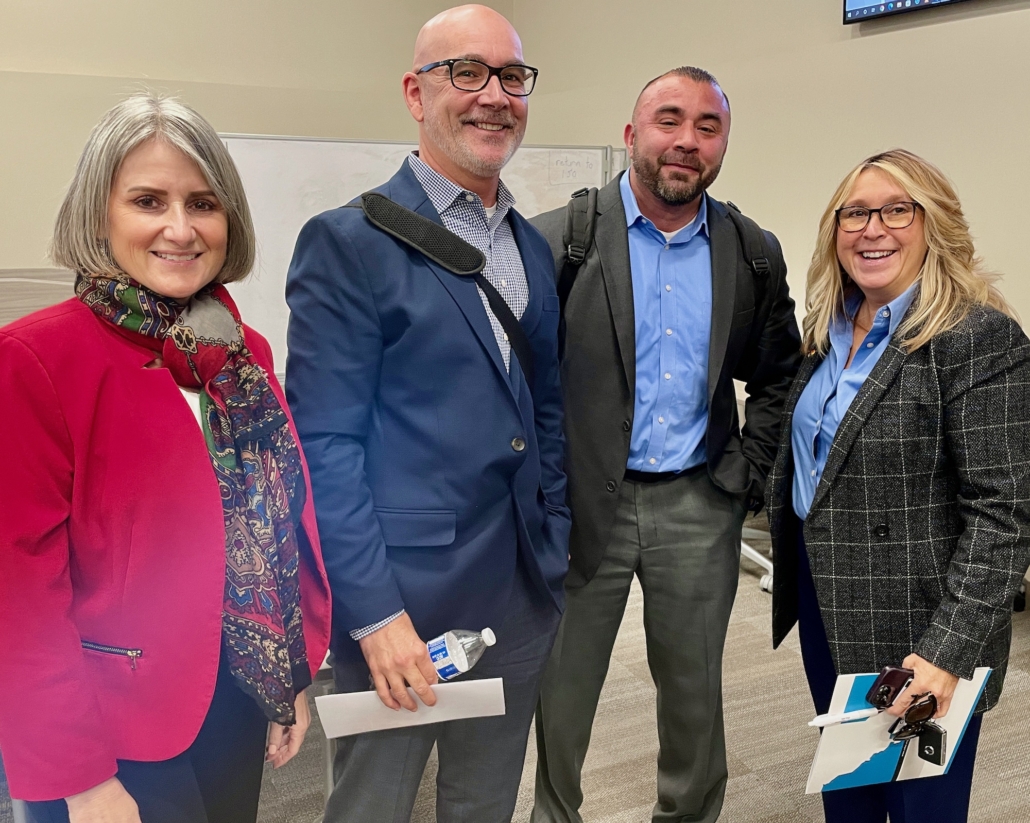
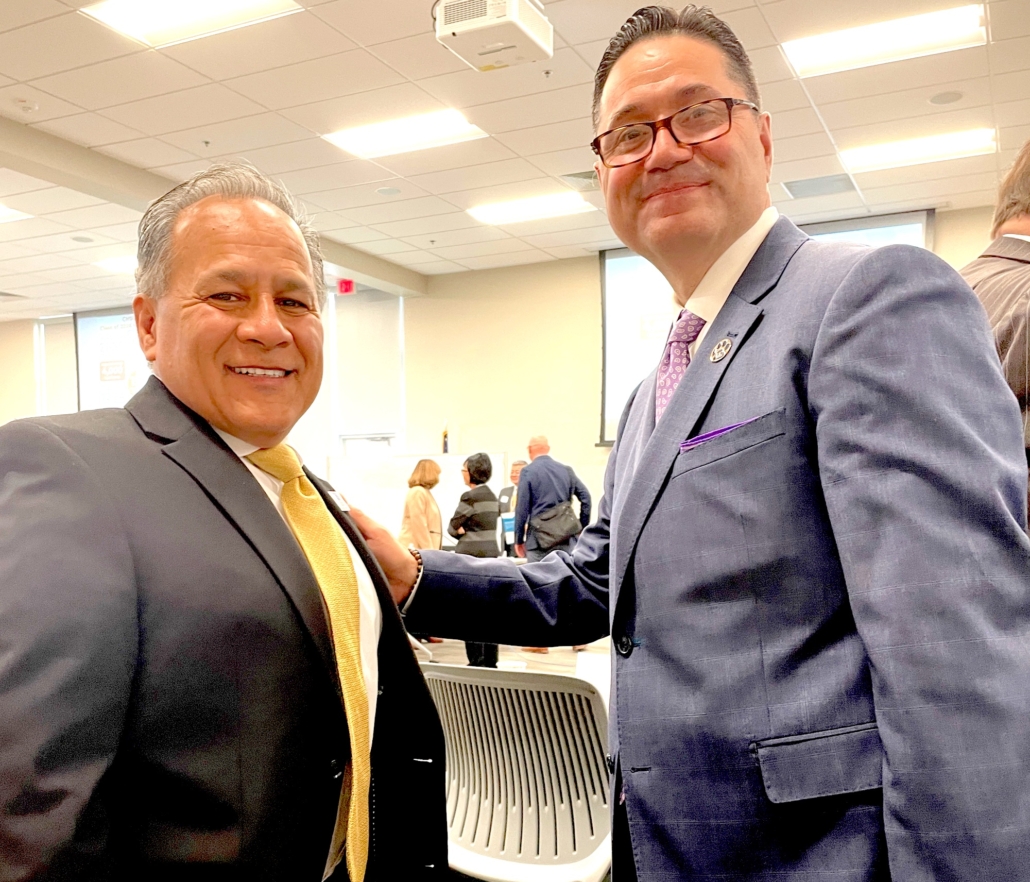
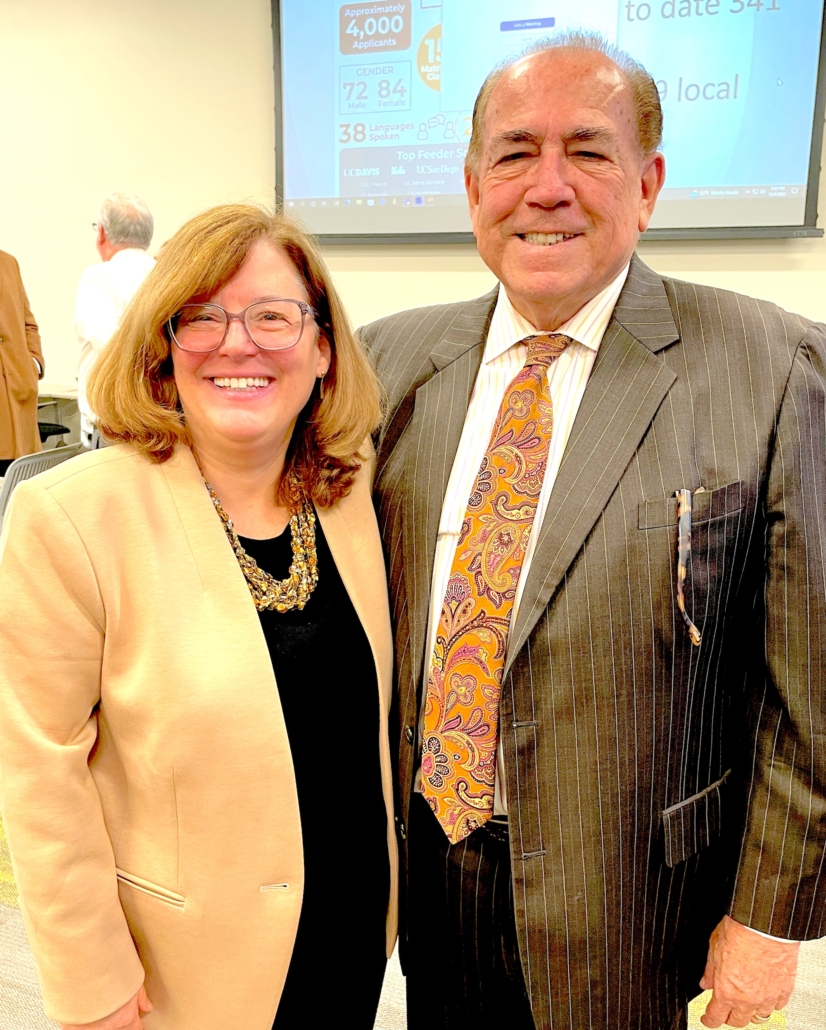
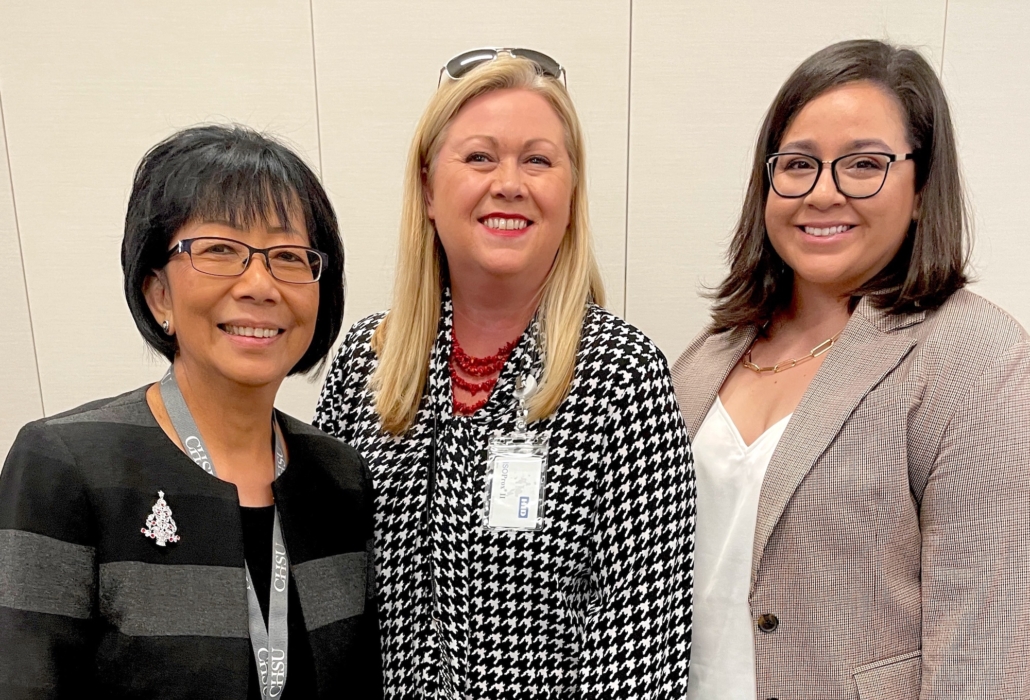
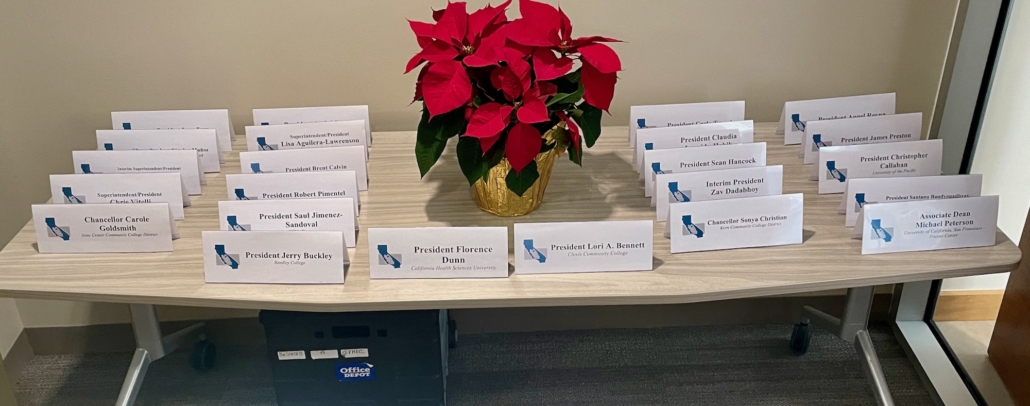
The Central Valley Higher Education Consortium Board of Directors held its final quarterly meeting of the year Dec. 8 highlighted by a discussion of Assembly Bill 928 regarding transfer reform and a farewell to a beloved colleague: Dr. Lori Bennett, outgoing president of Clovis Community College who delivered her final State-of-the-College at the CCC President’s Breakfast Oct. 25. See the board photo gallery.
CV-HEC BLOG: Year in Review-2022
The December “What the CV-HEC is Happening” Blog takes a look back at some of the newsletter stories published in 2022.





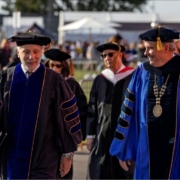
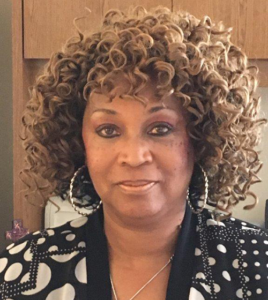
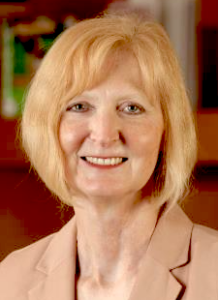 Congratulations to
 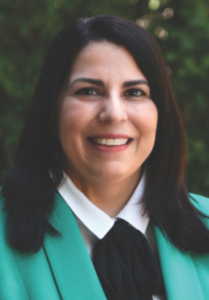 Congratulations to Dr. Lisa Aguilera Lawrenson who was named
 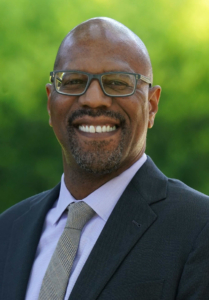 Congratulations to Dr. André Stephens who will assume the Fresno Pacific University presidency on July 1. He will join the
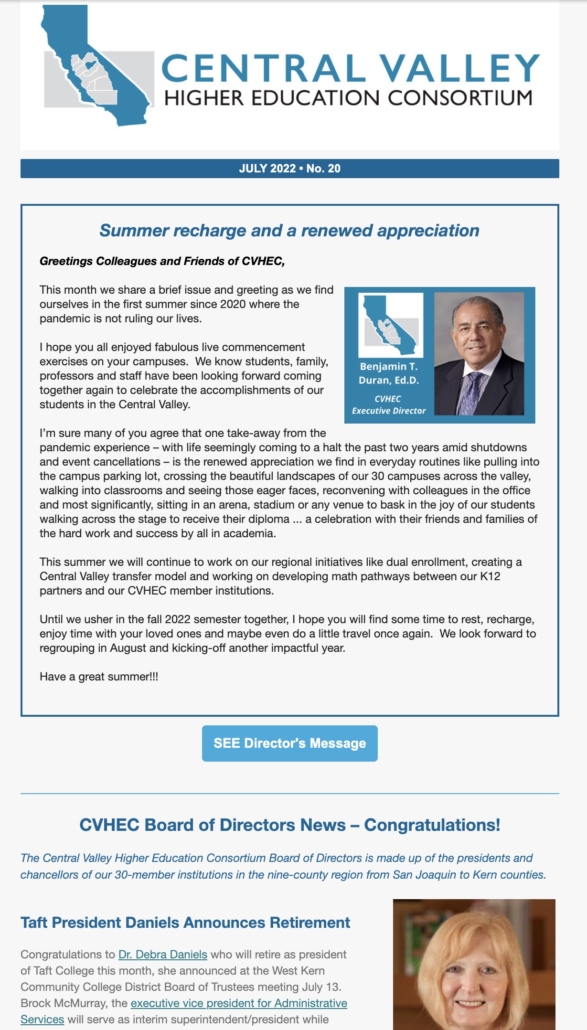
 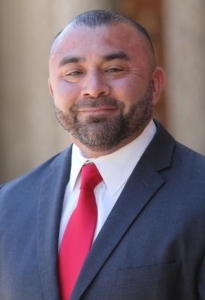 Congratulations to Dr. Robert Pimentel who was appointed president of Fresno City College Tuesday by State Center Community College District trustees effective July 1, replacing former President Carole Goldsmith who became chancellor for the district in January. Dr. Marlon Hall was serving as interim president (see Goldsmith and Hall stories below).
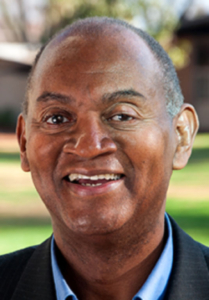 Congratulations to
 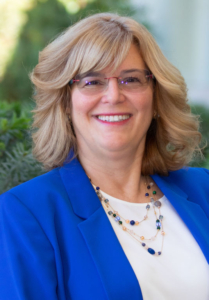 Congratulations to
 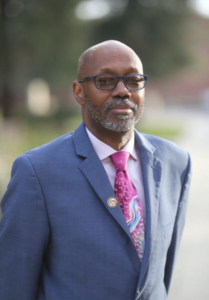 Congratulations to
  Dr. Carole Goldsmith, who was named the 11th chancellor of the State Center Community College District last month, was confirmed by the SCCCD Board of Trustees Dec. 14 and begins her new position on Jan. 1. She fills the position vacated when Dr. Paul Parnell retired on July 6.
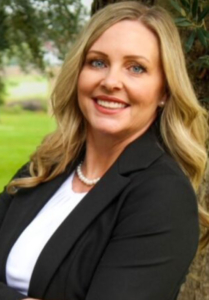 Dr. Carla Tweed, a Central Valley native, will lead her alma mater as the 6th president of West Hills College Coalinga effective January 14, 2022 when she also becomes a member of the Central Valley Higher Education Consortium board of directors.
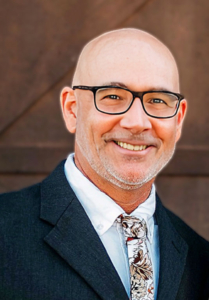 Mr. James Preston, former vice president of Educational Services who was serving as interim president of West Hills College Lemoore, was selected earlier this month to serve as the college’s 4th president effective January 1, 2022.
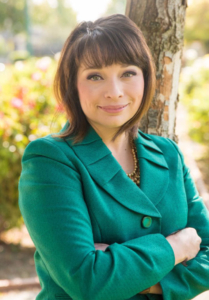 Congratulations to Sonia Gutierrez-Mendoza, director of UMass Global’s Visalia Campus, (formerly Brandman) on her appointment as assistant vice chancellor for Admission Operations of the independent university. The appointment was effective Nov. 29 when Sonia moved to her new office in the Irvine central office. She participated in her final CVHEC Board meeting during the recent quarterly Zoom call Dec. 2. Gutierrez-Mendoza joined UMass Global in 2009 and the CVHEC board in 2018. She has led multiple university campuses in the Central Valley since 2012 and in 2018-2019 she spearheaded the initiative for a new campus location established in Visalia.