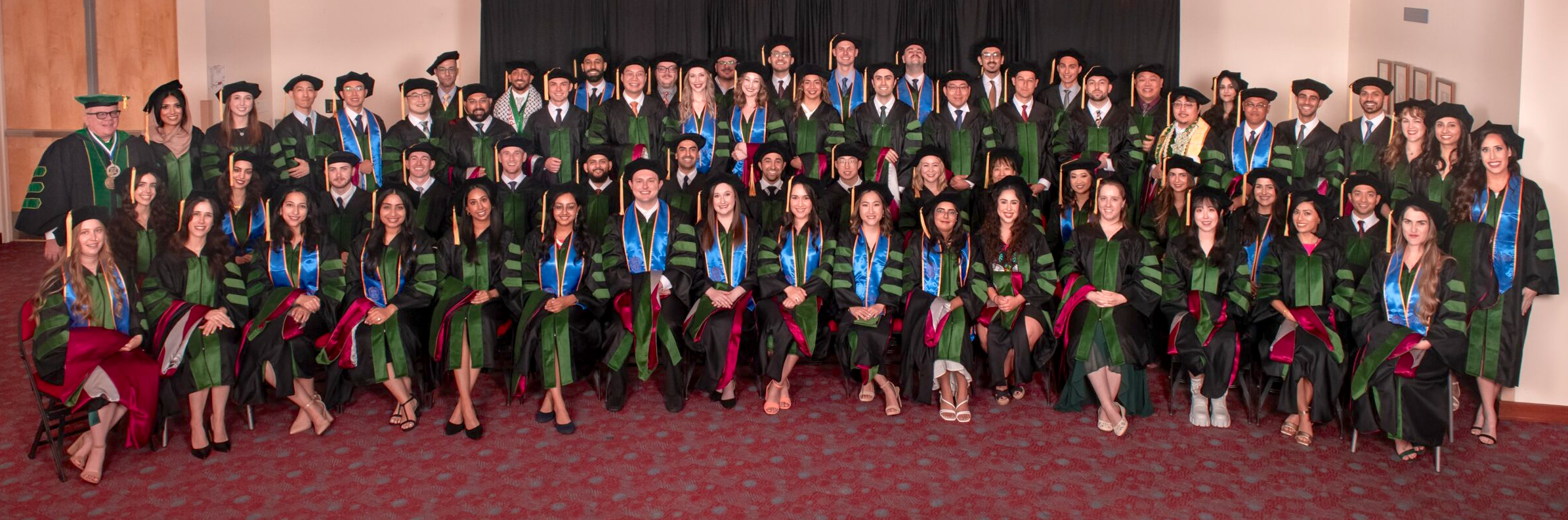
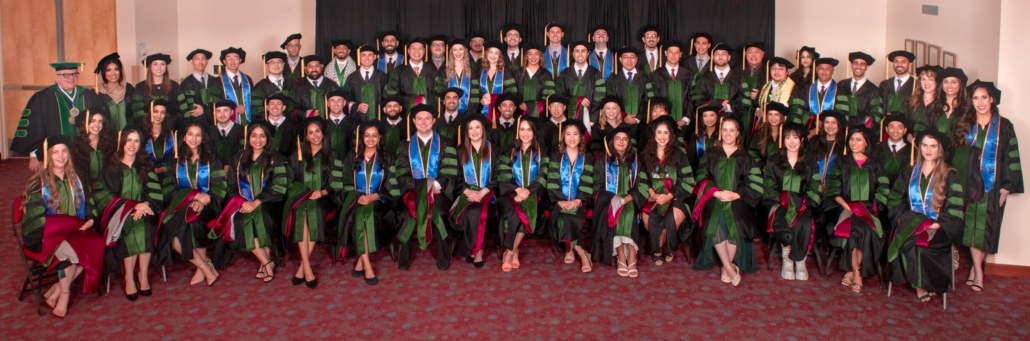
The historic inaugural California Health Sciences University College of Osteopathic Medicine (CHSU-COM) Class of 2024.
CHSU: successful match rate and
historic inaugural commencement
ceremony held for 66 new physicians
BY RICHELE C. KLEISER
Vice President, Marketing & Communications – California Health Sciences University
With recent commencement exercises for its inaugural class of 2024, the California Health Sciences University College of Osteopathic Medicine (CHSU-COM) concludes a dynamic academic year as the first university of its kind in the Central Valley offering a local option for medical school and a master’s in biomedical sciences to help remedy the shortage of health care services provided in the Valley.
The spring semester alone was filled with celebrating key milestones and achievements most notably Match Day March 15 when the inaugural class of 2024 achieved a remarkable 100 percent residency match rate (medical students learn the residency specialty program they will start after completing medical school).
The university also received news of achieving a seven-year accreditation for the medical school; the first cohort of Master of Science in Biomedical Sciences students graduated May 18; and college’s first doctoral medical degrees were conferred on 66 graduates at the CHSU-COM Commencement and Hooding Ceremony May 19.
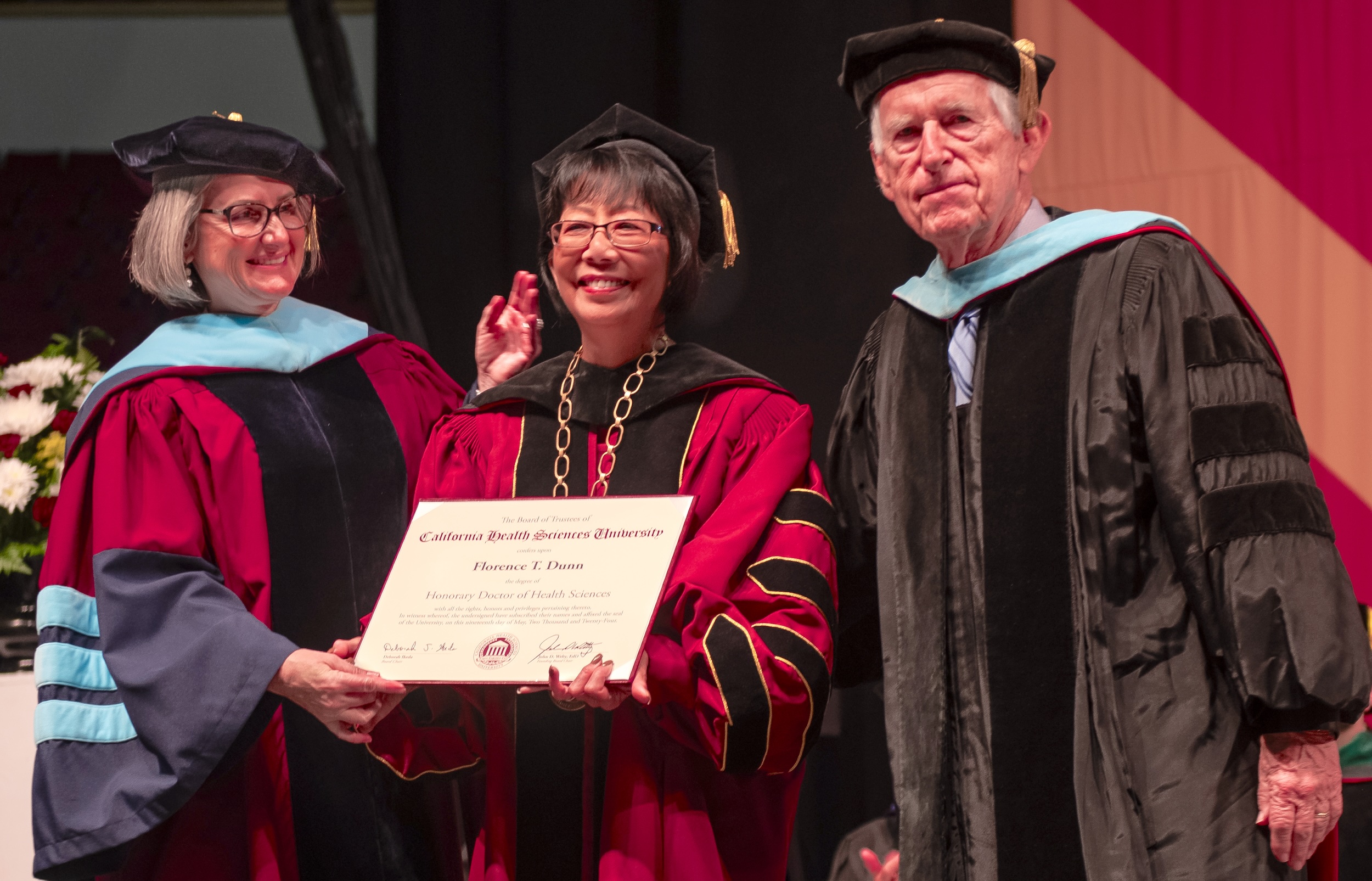 Also at the commencement, CHSU Founding President Florence Dunn was awarded an honorary doctorate degree in recognition of her leadership, dedication and service to the university by Dr. John Welty and Dr. Kristin Clark, founding chair and vice chair of the CHSU Board of Trustees, respectively. (President Dunn is a member of the Central Valley Higher Education Consortium Board of Directors, Chancellor Clark is the current chair of the CVHEC board and Dr. Welty, president-emeritus of Fresno State, is CVHEC’s founder and former chair of the board).
Dr. Teresa Hubka, president-elect of the American Osteopathic Association delivered the commencement keynote held at the Save Mart Center.
“The inaugural graduating class of CHSU medical students is significant because it shows local students that they can become doctors without leaving home to study and train,” President Dunn said. “We hope the opportunity to go to an accredited medical school in the Central Valley will encourage and inspire many others to become physicians.”
Accredited by the WASC Senior College and University Commission (WSCUC), California Health Sciences University now has about 500 medical students in attendance and plans to grow to approximately 600 medical students in the next year. In addition to the inaugural class of 2024 medical students graduating this month, the CHSU will matriculate its fifth cohort of about 150 students in July.
The university also offers a one-year Master of Science in Biomedical Sciences (MSBS) program at its College of Biosciences and Health Professions with many of those who graduated this month already receiving acceptance into the CHSU College of Osteopathic Medicine and other medical and dental schools.
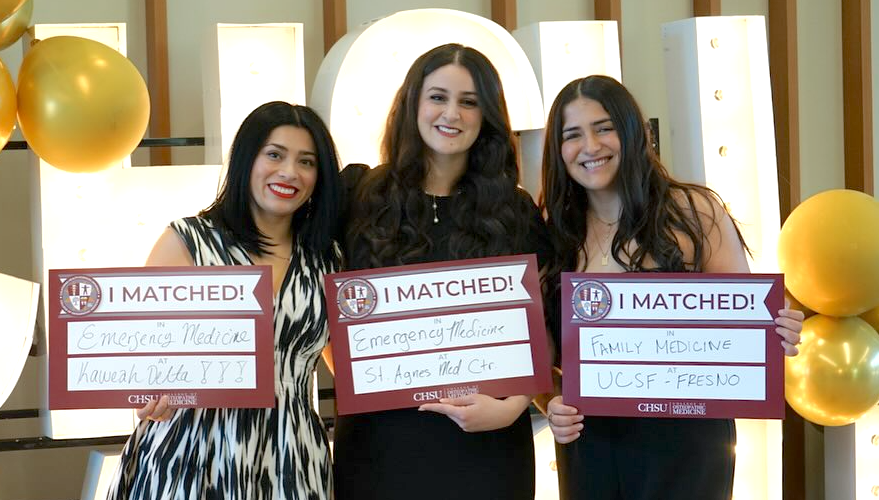 The significance of the Inaugural Match Day is worth emphasizing. The festive occasion where the medical students, with loved ones in attendance, opened envelopes revealing the residency specialty program they will start after completing medical school marks the start of each physician’s career with post-graduate medical training.
In a nationwide process that is highly competitive, CHSU-COM’s 65 fourth-year medical students were matched with a wide variety of residencies, including 34 percent located in the Central Valley and 65 percent who will complete their residency in Primary Care, which includes family medicine, internal medicine, and pediatrics.
“Achieving a 100 percent match rate for our inaugural medical students is extraordinary and we are so proud of these future physicians,” said John Graneto, DO, dean of CHSU’s College of Osteopathic Medicine. “Having such a large number of CHSU graduates complete residencies locally, especially in primary care specialties, is an important part of our mission and will help underserved populations have more equitable access to health care.”
Shortly after came the good news that CHSU-COM was granted a seven-year accreditation by the Commission on Osteopathic College Accreditation (COCA). COCA is recognized by the U.S. Department of Education as the accreditor of colleges of osteopathic medicine.
The college had been working towards full accreditation since its inception in 2020 when it unveiled the newly constructed, state-art-of-the-art facility and welcomed the first cohort of medical students.
Based in Clovis, with gorgeous views of the Sierra Nevada mountains, the three-story College of Osteopathic Medicine building incorporates innovative technology throughout. The facility features large classrooms, an Osteopathic Skills lab, a library, plentiful private and collaborative study spaces, a spacious student lounge with Teaching Kitchen, and a Simulation Center.
The Simulation Center includes an inpatient area that resembles a hospital environment and an outpatient area that is like a clinic or doctor’s office. The innovative Simulation Center was meticulously planned to maximize interactive learning. CHSU’s 110-acre campus site provides plenty of space for decades of expansion. The campus could ultimately approach 2,000 students and nearly 300 faculty and staff. Further development of the campus will occur in multiple phases, as new programs and colleges are added for postgraduate health education.
“This accreditation achievement has been long anticipated and brings a sense of pride to the Central Valley,” said Dr. Graneto. “We can now offer local students the opportunity to earn a doctorate degree at an osteopathic medical school that is held to the same high standards as other programs and stay close to home to serve our community.”
To stay up to date with the latest CHSU-COM news and events, visit the university’s website at chsu.edu or follow along on social media: Facebook, Instagram, LinkedIn
See:
CHSU College of Osteopathic Medicine earns seven-year Accreditation – ABC30
This special edition of the Central Valley Higher Education e-newsletter featuring medical education in the Central Valley focuses on the medical school programs of two CVHEC members that confer medical doctor degrees (University of California San Francisco Fresno and California Health Sciences University) or partner directly (University of California Merced’s SJV Prime+ Program). Other valuable medical-related training is offered at nearly all the consortium member institutions, such as nursing and physical therapy at the 15 community colleges and three California State University campuses. At Fresno State, doctoral degrees are conferred in nursing and physical therapy. In addition to our monthly board and member news, here are just a few highlights of what other CVHEC members have undertaken in recent years:

CSUB receives $1 million to build
Doctor of Nursing Practice Program
Kern Health Systems (KHS) has announced a $1 million grant toward the establishment of a Doctor of Nursing Practice Program at California State University, Bakersfield, part of a $20 million package of support made by Kern County’s largest health plan to expand access to health care, educate more primary-care professionals and narrow health equity gaps in one of the most medically underserved regions of the state. [MORE]
University of Pacific receives nearly $1M to support future health care providers
University of the Pacific’s School of Health Sciences has been awarded nearly $1 million in state grants to further its mission of educating students who can fill the urgent need for health care providers in underserved areas. Pacific received a $2.5 million grant in 2022 to expand underrepresented students’ access to health professions and a $1.7 million grant earlier this year to increase the number of behavioral health care workers in California. [MORE]
• Nursing Pathway Program expands at the CSU [MORE]
• California Community Colleges Nursing Educational Programs Legislative Report 2020-2022 [MORE]
• Stan State: nursing program ranked among Top 4 in affordability by BestColleges.com [MORE]
• Fresno City College/Fresno State: federal funding to help address nursing shortage [MORE]
• UCSF School of Medicine, UCSF Fresno and Upstream USA expand access to patient-centered contraceptive care for Fresno County [MORE]
• San Joaquin Valley has a therapist shortage. Here’s how a university hopes to change that [MORE]
• Fresno State: Physical Therapy Program helps people across their lifespan [MORE]
• CSUB nursing alumni fundraiser event celebrates 50th graduating class milestone [MORE]
• UCSF Fresno Doctors Academy Programs Celebrate Graduating Students [MORE]
 CHSU President Flo Dunn conferred honorary doctorate
California Health Sciences University Founding President Florence Dunn was awarded an honorary doctorate degree in recognition of her leadership, dedication and service to the university.
Presenting the award at the university’s inaugural Commencement May 19 in Fresno were Dr. Kristin Clark and Dr. John Welty, vice chair and founding chair of the CHSU Board of Trustees, respectively. President Dunn and Chancellor Clark are current members of the CVHEC Board of Directors and President-emeritus Welty (Fresno State) is the founding chair of the CVHEC board. [MORE]
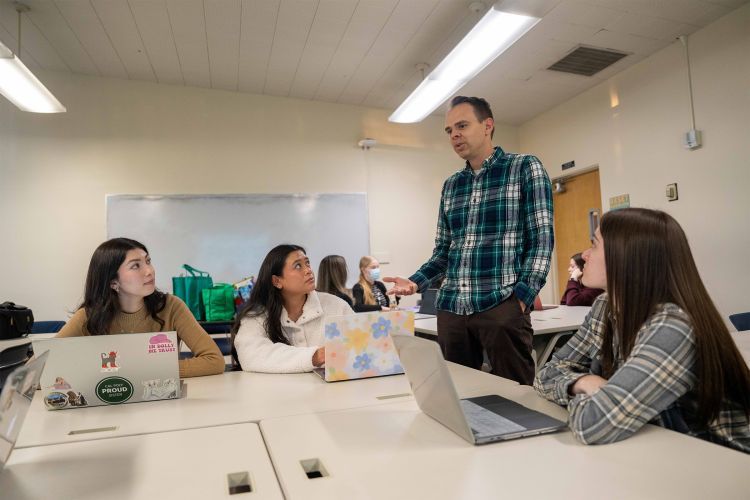
UOP’s Master of Arts in Counseling Psychology opens to students in fall 2024 and will help addres healthcare shortage in North Valley.
UOP: Marriage and family counseling focus
of Benerd’s new master’s program
University of the Pacific’s Benerd College has created a master’s degree program that will focus on marriage and family counseling, an area with a severe shortage of services in San Joaquin County.
The Master of Arts in Counseling Psychology major will open with a cohort of approximately 15 to 20 students in fall 2024.
“My sense is this will be a popular degree,” said Justin Low, program lead and associate professor. “Mental health practitioners are scarce compared to the overall population, and that certainly is the case with marriage and family counseling. The shortage is very serious in San Joaquin County.”
CalMatters detailed the reasons for shortages of mental health providers, such as counselors, in a 2022 report. They include workload and burnout, pay level and California’s cost of living.
Low said graduates of the new program can likely earn salaries starting around $90,000. Benerd College has worked to align the major with state licensing requirements.
The degree will lead to work counseling married couples and individuals as well as entire families.
“There are advantages for students with an undergraduate degree in psychology. They know the language and some of the background,” Low said. “But by the time they go through programs such as this, those who came from the workforce and different vocations fit right in. Both paths work.
“Those entering this field tend to be self-reflective. They look at their skill set and see where they want to improve. They tend to think ‘what can I do better next time?’”
The program requires 60 units—high for a master’s program, but in line for psychology-related programs, according to Low—and 280 hours of experiential work with patients. Pacific has identified agencies and adjunct professors who will work with students.
Andra Zastrow has worked in marriage and family counseling for the past 22 years in Stockton and is an adjunct faculty member at Pacific. She views the new program as a boost for a troubled system.
“This is a very important step for getting access to care because we have such a lack of resources in Stockton,” Zastrow said. “Getting an appointment can take up to a month. Beyond that, nobody is taking insurance. Many people must pay out of pocket.
“I am so excited that Pacific has approved this program. This is a positive change in a rewarding field.”
The program is part of Benerd College’s strategic move into areas of social education.
“Leadership, education and behavioral and mental health are three areas of focus within our degree programs,” said Patricia Campbell, dean of Benerd College. “We are really expanding.”
See:
• San Joaquin Valley has a therapist shortage. Here’s how a university hopes to change that – Recordnet (Jan. 10. 2024)
Pacific receives nearly $1M to support future health care providers
(APR 14, 2024) — University of the Pacific’s School of Health Sciences has been awarded nearly $1 million in state grants to further its mission of educating students who can fill the urgent need for health care providers in underserved areas.
Pacific will receive $540,000 for its Entry Level Master of Nursing program and more than $430,000 to create post-undergraduate fellowships for students in any health care discipline.
“We are grateful that the state is investing in our students,” said School of Health Sciences Dean Nicoleta Bugnariu. “Many are from the Central Valley and are committed to returning to their communities to provide the care that is so needed. This funding will help us enhance their education and attract more students.”
Nursing grant to expand training opportunities
The Song-Brown grant, provided by the California Department of Health Care Access and Information, will allow the nursing program to create new training opportunities in places where there is a shortage of registered nurses.
Students currently conduct clinical training in several dozen sites throughout the Central Valley with more than half of them designated as shortage areas.
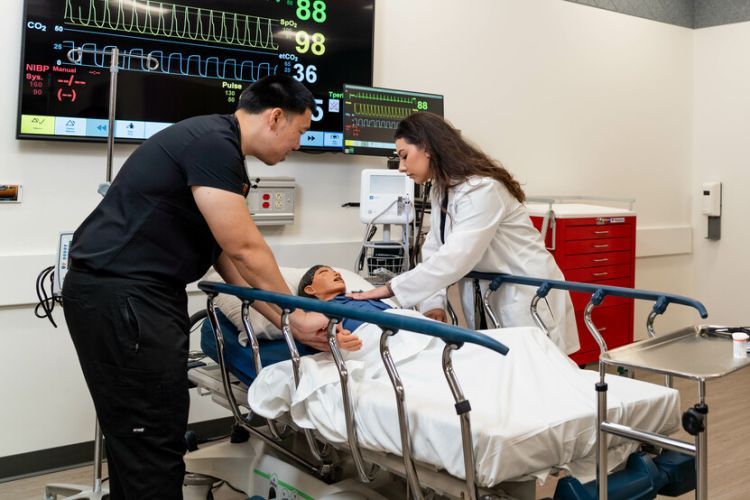
The funding also will allow the nursing program to expand simulation experiences to better prepare students for real-world scenarios.
The nursing program currently has a 1,650-square feet simulation space, which includes a lab, clinical skills area, simulators, control room and debriefing rooms. Simulation-based learning is incorporated in all clinical courses in the program.
“Human patient simulators are tremendously beneficial for student learning. They provide a safe environment for students to master the skills they have been taught,” said Nursing Chair and Program Director Ann Stoltz. “With this support from the state, we will be able to create even more practice opportunities for skill acquisition and clinical judgement to better prepare our future nurses.”
Pacific’s Entry Level Master of Science in nursing was launched in 2022 due to high demand for bedside nurses in the region. The first cohort will graduate in April 2024.
Supporting underrepresented students
A second grant will create paid fellowships for underrepresented students who are interested in pursuing a graduate health science degree.
“We are so grateful to have this opportunity at Pacific,” said Associate Professor and Chair of Speech-Language Pathology Derek Isetti. “This fellowship will greatly assist students from underrepresented backgrounds as they participate in clinical experiences that will help them to be successful in graduate health science programs.”
Five fellows per year will receive $15,000 each to help their transition through teaching, research, health career workshops, mentorship and other areas.
This is the third grant Pacific has received from the state’s Health Professions Pathways Program. The program is intended to support underrepresented students pursuing health care careers to create a more diverse workforce that better reflects the communities it serves.
Pacific received a $2.5 million grant in 2022 to expand underrepresented students’ access to health professions and a $1.7 million grant earlier this year to increase the number of behavioral health care workers in California.
See also:
UOP receives nearly $1M to support students to help fill the need for health care workers – BayCityNews Foundation
College Futures Foundation commissions
report on student mental health
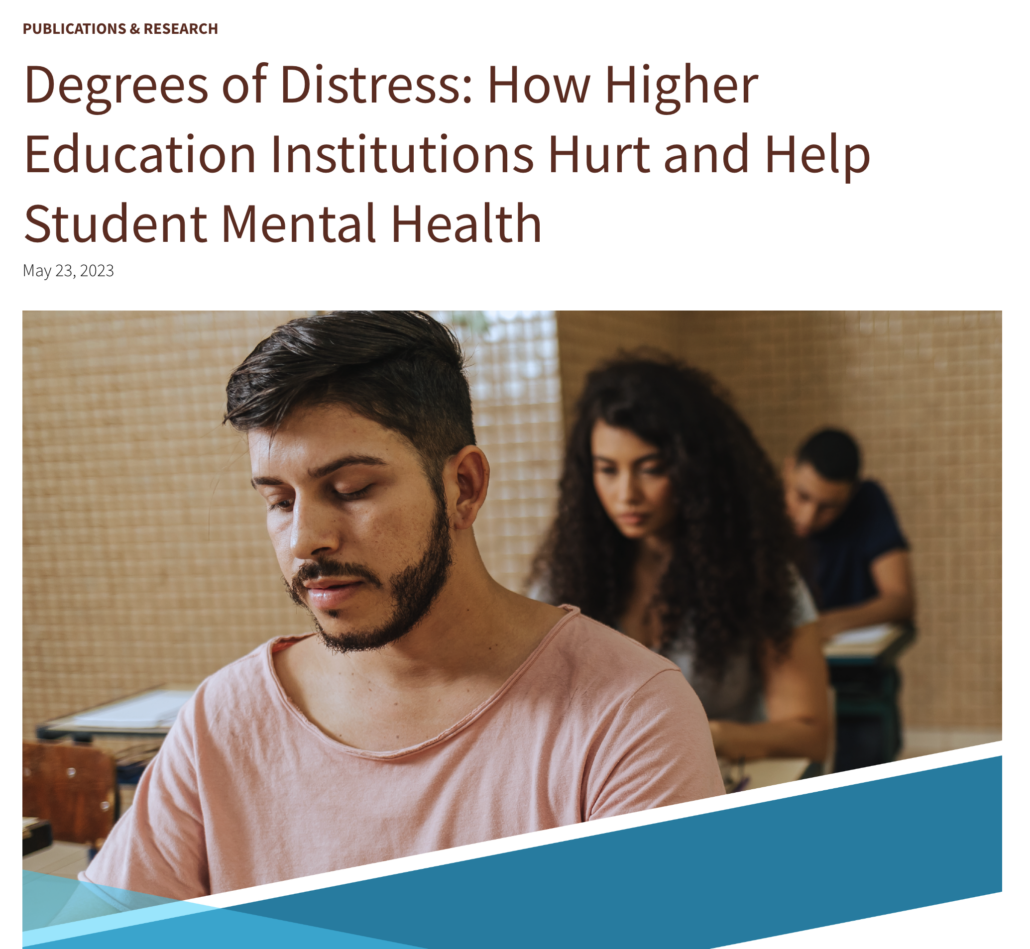
Commissioned by College Futures Foundation, the report “Degrees of Distress” examines through a racial equity lens how higher education institutions hurt and help student mental health, with the goal of informing policy, practice and narrative for a national movement toward students thriving and succeeding in postsecondary and beyond.
Authored by acclaimed researchers and professors Dr. Sam Museus and Dr. Lindsay Pérez Huber, the report addresses how, with rising public concern around mental health, serious stressors are taking a toll on the well-being of college students across the country — and that students of color and those with significant financial barriers shoulder an even greater burden than their peers. “Many larger forces are hurting student mental health — including hostile political rhetoric, violence, wealth disparities and the ongoing effects of the pandemic.
But the research is clear: colleges and universities themselves are directly impacting how their students feel and fare.”
See the CFF report.
CFF: who is responsible for college student mental health?
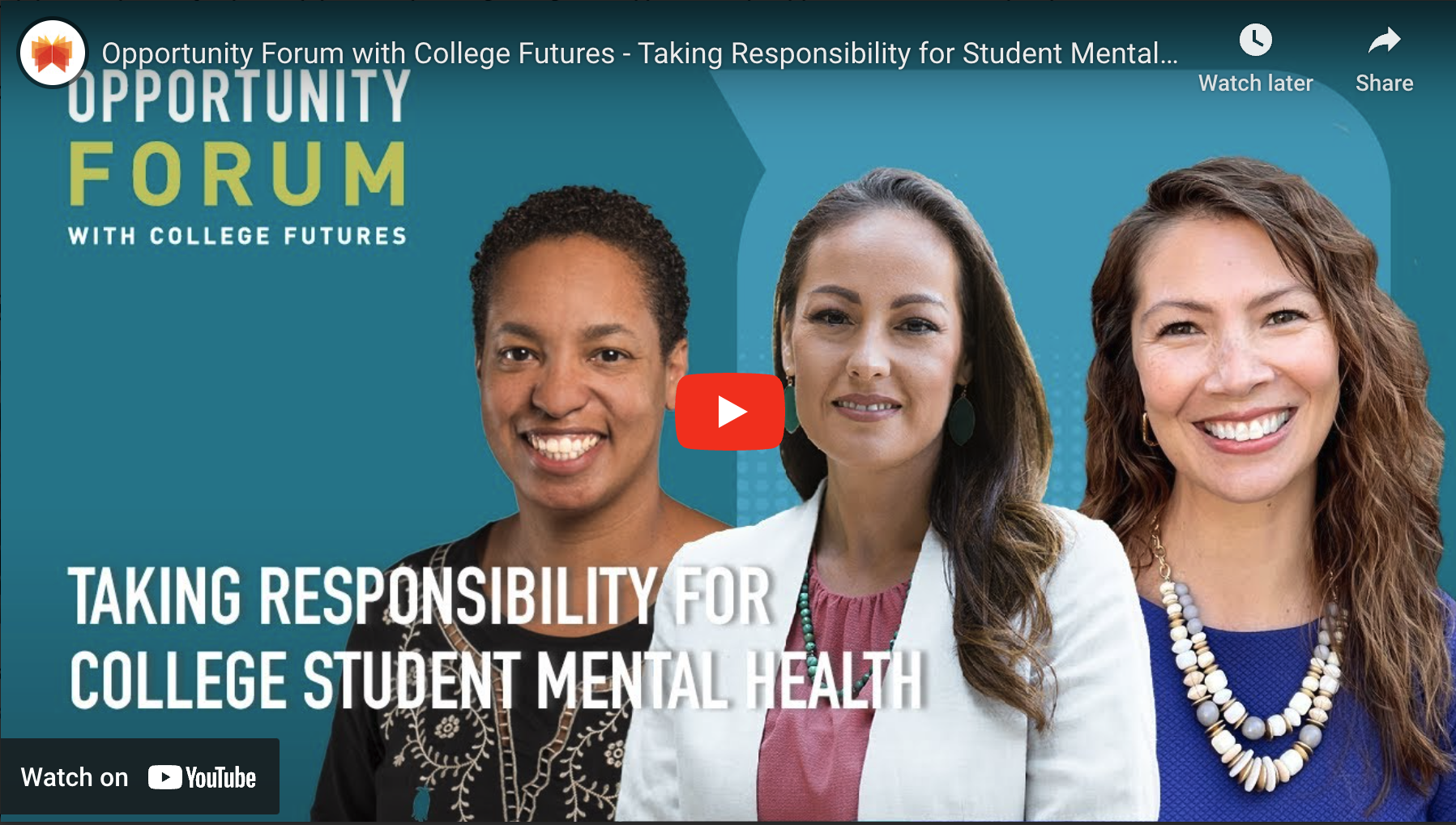 In the latest episode of “Opportunity Forum with College Futures,” Dr. Lindsay Pérez Huber and Dr. Tiffany Herbert, associate vice president for health and well-being at California State University, Dominguez Hills, discuss “Taking Responsibility for College Student Mental Health” with guest host Dr. April Yee, College Futures’ holistic student support and mental health lead.
The show is a conversation space presented by the College Futures Foundation for innovators and influencers to discuss emerging issues and equity solutions in and around public higher education. Eloy Ortiz Oakley, president & CEO of College Futures Foundation, hosts. See the CFF episode.
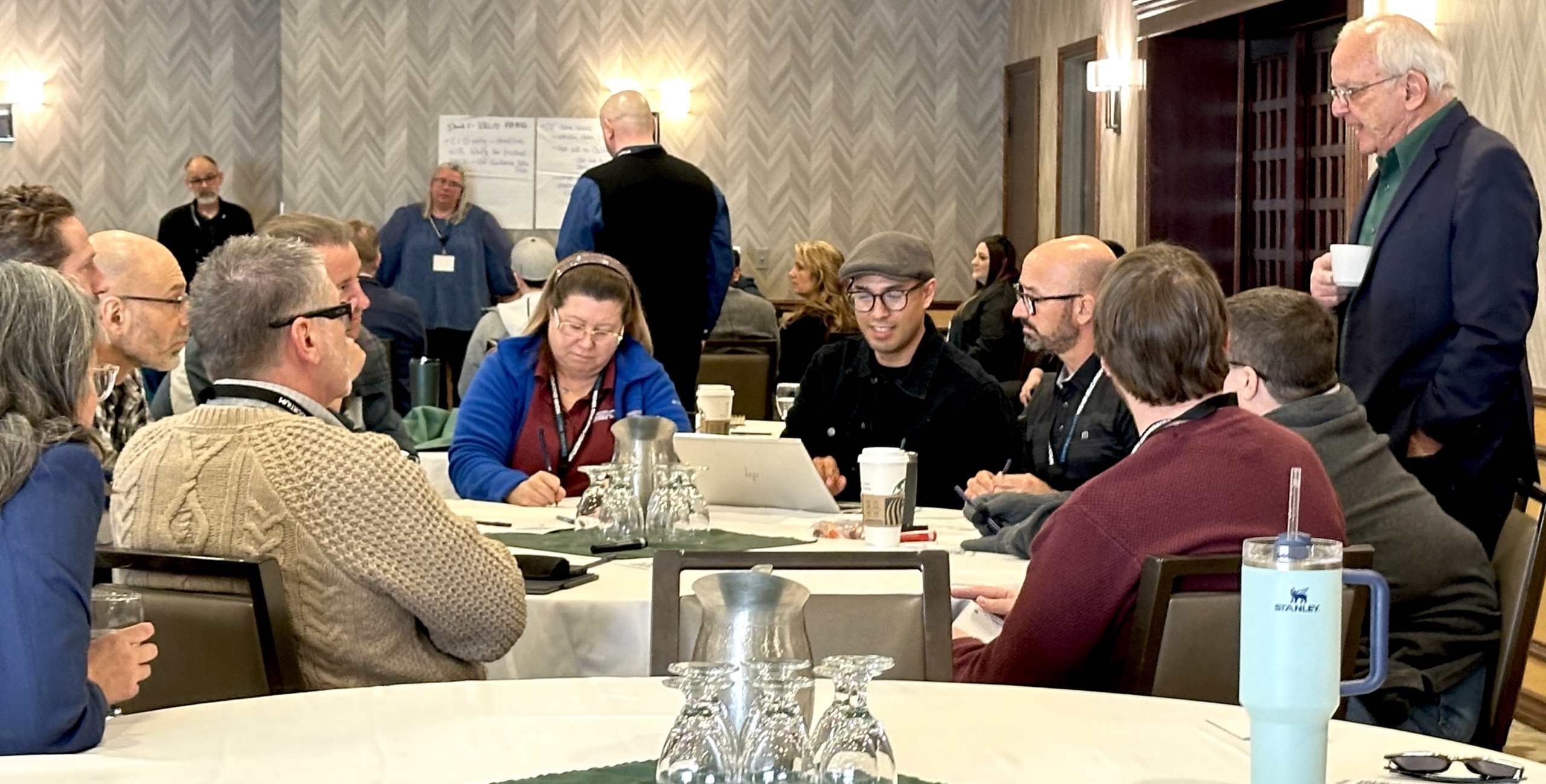 Dr. John Spevak (at right), vice president-emeritus of Merced College and currently a regional coordinator for CVHEC, was an English teacher early in his career and now coordinates the English and Math Task Forces for the consortium working directly with community college teachers in the valley’s nine-county region. Here he facilitates the Math Task Force convening in Fresno January 26. For Teacher Appreciation Week, CVHEC reposts this column Dr. Spevak wrote for the Westside Express recently. This occasion is a special time to honor the men and women who lend their passion and skills to educating our children. It’s a chance for parents, caregivers, and community members to celebrate the hard work and dedication of teachers and school staff throughout the year.
Teaching English In A Community College:
Today Versus Yesterday
BY DR. JOHN SPEVAK
CVHEC Regional Coordinator
Vice President-Emeritus – Merced College
The other day I had a conversation with college professors who teach English to community college students (as I taught English at the Los Baños college campus many years ago).
I came away from that conversation thanking my lucky stars I taught in the 1970s and 80s — and not today.
When I taught my first English class at the Los Baños Campus of Merced College in 1971, life was good, and so was teaching. I enjoyed sharing my love of reading and writing with the students gathered in my classroom.
I appreciated the many times when the students, young and old, expressed their increased enjoyment of reading and writing as a result of being in my class. There were many lively, interpersonal interactions.
When I gave writing assignments, I knew my students were responding with their own thoughts and ideas, which often were the result of questions they asked in class. I appreciated the growth I saw as students became more proficient writers, as well as more thoughtful readers.
And I enjoyed it when students came into my office and engaged in thoughtful conversations, with questions that enabled them to explore ideas in more depth.
Today, however, for all professors in community colleges but especially those who teach English, teaching has become much harder and less interpersonal.
Today’s community college English professors have to navigate and endure six challenges I never had to face: “bot students,” having to teach online, the lingering consequences of COVID, two new state regulations and (most recently) artificial intelligence.
I don’t know how they do it. But listening to them, I realize they persist while keeping their love for English and their passion for helping students succeed.
“Bot students” was a term that was new to me. My colleagues explained these are fraudulent or fake students, names and student ID numbers of nonexistent people that show up on class lists. Bot students are the work of sophisticated cyber-scammers trying to illegally collect financial aid.
One English professor told me he noticed 30 names on his first class roll sheet, only to find that just five of them were real.
College technology administrators are doing everything they can to distinguish real students from bot or fake students, but scammers keep finding new ways for bot students to appear on class roles, especially for online classes.
This brings up another current challenge for community college professors—teaching online. Currently about 50 percent of community college students prefer taking courses online instead of in person. For a professor to keep her or his job, this almost always results in being required to teach one or more classes online.
Teaching online, something I never had to do as an English instructor, is much different from teaching in person, especially after two years of COVID, during which the only classes were online.
Good online teachers really have to work to get interactions between themselves and their students. And they have to make sure the students’ work is truly their own.
COVID also created another challenge. During the pandemic, most high schools were reluctant to give Fs to students because many students had insurmountable challenges to online access. In many cases students passed courses just by virtually showing up.
After COVID, a lingering challenge for community college professors is the “COVID” approach many students have about passing the course. They ask their professors, “You mean I have to do the work?”
For California community college English teachers there is still another challenge. A few years ago, the state legislature passed regulations which essentially eliminated remedial English classes. Overall, it was a good idea, because too many students gave up when they had to keep taking remedial courses.
This created a new challenge for English professors. How do they help students who have had limited success in writing become proficient writers in one semester? Good college English teachers have found ways, but it requires much more time and energy than I spent teaching to make this happen.
Meanwhile, recent state legislation also makes it easier for community colleges to offer college classes to high school students on their high school campuses. This was another good idea, enabling more and more students to get a head start on college.
At schools where there are few if any high school teachers with master’s degrees in English, many community college English professors needed to travel to the high schools to teach those college courses.
Finally, here comes artificial intelligence (AI), which makes it much easier for real community college students to cheat by submitting essays generated by a computer and not by their own minds.
Today’s professors, especially in English courses, have to find ways to determine whether a student’s writing is truly his or her own. This is especially challenging when teaching online courses.
Whew, I’m exhausted just listing the challenges today’s community college English professors face that I didn’t 40 years ago.
All of this makes me appreciative and proud of my current English teaching colleagues. The community college English professors I know are determined to meet all these challenges even though it takes much more time and effort to teach English today than “in my day.”
I salute my current English colleagues who continue to do such an important job, making college students better readers and writers and giving them greater opportunities to succeed in college, in careers and in life.
See the original Westside Express version (March 29, 2024 )
CVHEC blogs by Dr. John Spevak :
WHAT THE CV-HEC IS HAPPENING BLOG (September 2023): Teachers
WHAT THE CV-HEC IS HAPPENING BLOG (December 2023): The gift of math