
Rural Dual Enrollment in Action

Who Was at the Table?
Coalinga College
- Sam Aunai – Vice President of Educational Services
- Bethany Matos – Dean, Firebaugh Center & Learning Area Dean
- Jon Endicott – Dean of Student Services
- Lissette Padilla – Director for Dual Enrollment & Programs
Mendota High School
- Dr. Paul Lopez – Superintendent
- Travis Kirby – Principal
Our Dual Enrollment Story
Coalinga College and Mendota High School have forged a model rural dual enrollment partnership, demonstrating how intentional design, strong relationships, and committed leadership can overcome the challenges of serving small, underserved communities.
The partnership began with a vision for a health science or EMT pathway, sparked by the construction of a new CTE building at Mendota High School. Initial efforts faced major obstacles, including recruiting medical instructors to rural Mendota, age restrictions for clinical hours, and program sustainability issues.
A pivotal turning point came when Coalinga College introduced the Wonderful Program, a partnership with Paramount Farms (Wonderful Company). Despite legal and logistical complexities, Mendota’s leadership embraced the opportunity.
“I told my team, if not this, then find me something better within a week. They couldn’t — and ultimately everyone trusted the process.”
– Dr. Paul Lopez
The first cohort launched in 2016 with about 24 students. Success stories began to emerge, building trust and enthusiasm for program expansion. Today, the partnership between Coalinga College and Mendota High School has grown into a multi-tiered dual enrollment ecosystem that serves hundreds of students annually through three distinct levels:
| Level | Description | Units Earned | Enrollment per Grade Level |
|---|---|---|---|
| Wonderful Program Pathway | Full-time cohort, summer classes, intensive support | ~67 units | 60–65 students |
| Education Pathway | Focus on teaching careers, CSU transferable units, certificates | ~40 units | 30 students |
| A La Carte Model | Individual courses for juniors/seniors exploring general education college classes | Varies | Flexible |
This tiered approach ensures access, providing pathways for highly committed students while giving others the chance to explore college coursework.
Coalinga College 2024-2025 Academic Year
2,191
Total full-time equivalent (FTE) enrollment (credit) at Coalinga College
150
Number of dual enrollment course sections offered (CCAP)
23
Number of dual enrollment course sections taught by high school teachers who meet minimum qualifications (MQs)
3,025
Total number of students enrolled in dual enrollment courses (CCAP)
6,672
Total number of high school students enrolled in courses
Statistics from California Community College Chancellor’s Office Data Mart 2024-2025
Pathways: Coalinga College offers nine pathways: three at Avenal High School, three at Coalinga High School, one at Firebaugh High School, and two at Mendota High School.
Best Practices and High Impact Strategies
1. Intentional Pathway Design
The college and high school emphasize purposeful program design, aligning courses with workforce needs and student demand.
“We no longer allow random acts of dual enrollment — everything must be intentional.”
– Sam Aunai
2. Strong Communication and Collaboration
- Monthly dual enrollment meetings foster open and honest dialogue about staffing, scheduling, and student progress.
- Continuous communication through email and phone ensures quick problem-solving.
- Counselors play a direct role in student support and feedback.
When you’re small, you can’t hide behind bureaucracy. It takes the right people with the right mindset.”
– Travis Kirby
3. Faculty Integration and Support
Visiting college instructors are welcomed with:
- High school campus tours and safety orientations.
- Introduction to school staff and resources.
- Support with technology like Promethean boards.
“Even a handshake and help setting up a Promethean board makes professors feel welcome — and want to return.”
– Travis Kirby
4. Intensive Student Support
- Weekly grade checks via a shared digital platform.
- Students falling below 70% are flagged for intervention.
- Coordinated outreach through counselors and tutors.
- Mandatory after-school tutorials with instructional aides embedded in challenging courses.
- Early conversations about dropping or retaking courses.
“This structure prevents students from graduating with low GPAs that hurt future opportunities.”
– Bethany Matos
5. Parent and Community Engagement
- Bilingual parent orientation sessions set expectations and build trust.
- Strong, proactive communication prevents misunderstandings.
- Parent advocacy has driven program growth.
“When families understand the program, they become its strongest champions.”
– Lissette Padilla
“Parent communication solved problems before they even began.”
– Bethany Matos

Challenges and Rural Realities
Rural Faculty Shortage
Recruiting qualified faculty is a major challenge. Finding instructors who meet the state’s minimum qualifications to teach college-level courses is difficult in isolated areas, limiting the ability to offer a full range of pathways for students.
Faculty Travel Burden
Long-distance travel for faculty creates additional barriers. In many cases, faculty must drive significant distances to reach participating high schools, often without additional compensation for their travel time and expenses.
Resource Constraints
Resource limitations make it difficult to sustain and grow dual enrollment programs. With lean budgets and small staff, it is difficult to:
- Fund stipends for faculty
- Provide textbooks and materials
- Dedicate staff positions to coordinate programs
Technology Access Barriers
The digital divide continues to impact families and students in rural communities:
- High-speed, reliable internet access is limited in many areas.
- Some parents are not comfortable with technology or online enrollment forms, creating additional barriers to participation.
Strategies to Overcome Obstacles
Flexible Faculty Solutions:
Recruit local high school teachers with master’s degrees while using proctors to support visiting college instructors.
Provide Mileage Stipends:
Mendota District covers mileage costs for commuting faculty.
Leverage Funding and Prioritize Dual Enrollment in Budgets:
Leverage resources between college and high school and make dual enrollment a priority during budget development.
Flexibility
Provide flexibility, such as printed forms in lieu of online forms, for families lacking technology.
“If you want to know what a district values, look at how they spend their time and money.”
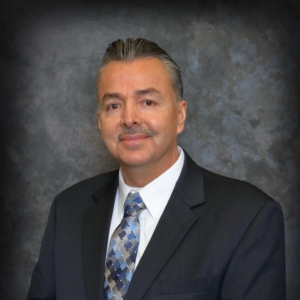
– Dr. Paul Lopez
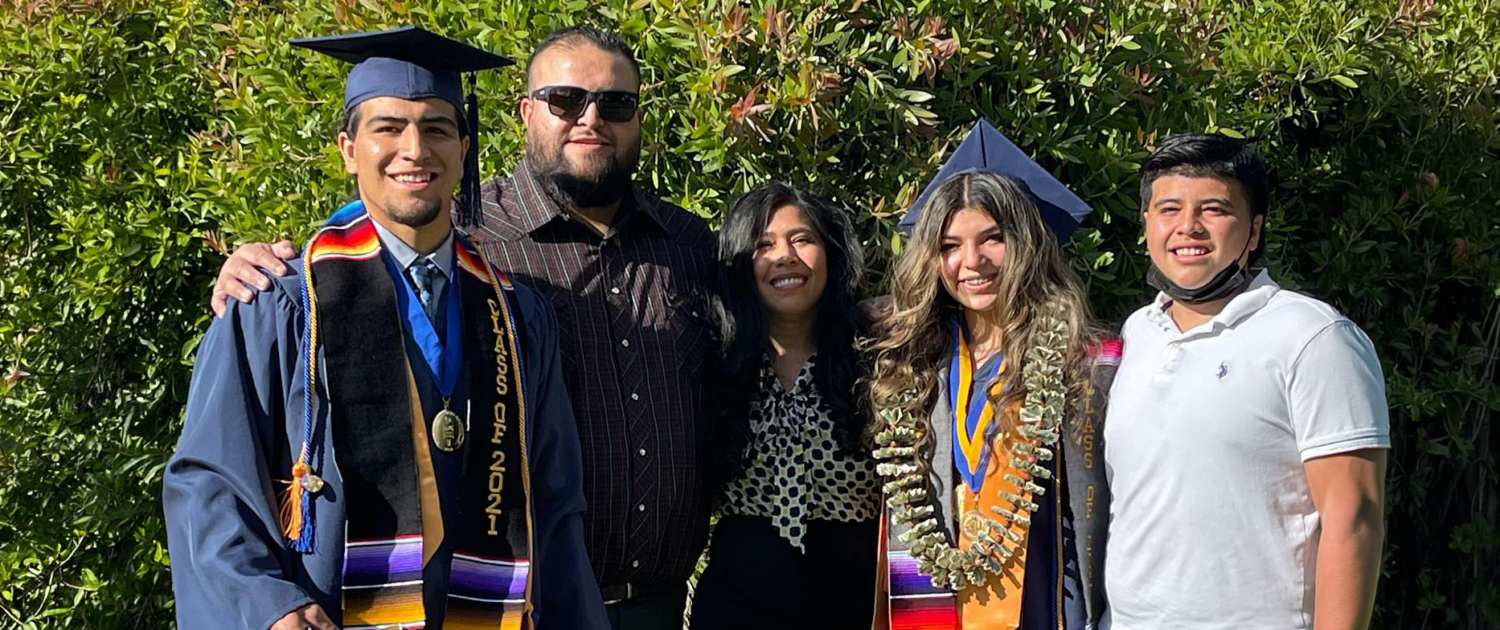
Outcomes and Impact
Recruit local high school teachers with master’s degrees while using proctors to support visiting college instructors.
Mendota District covers mileage costs for commuting faculty.
Leverage resources between college and high school and make dual enrollment a priority during budget development.
Provide flexibility, such as printed forms in lieu of online forms, for families lacking technology.
Bottom Line
Coalinga College and Mendota High School have proven what’s possible for small rural communities through strong leadership, creativity, trust, and a relentless focus on student success. By aligning resources and embedding deep family and community engagement, they’ve created a sustainable system where students graduate college-ready — and often college-complete.
“At first, people doubted this program could work. Now they can’t imagine Mendota without it.”
– Dr. Paul Lopez
“The right people in the right seats make all the difference.”
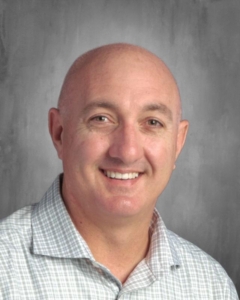
– Travis Kirby
Rural Dual Enrollment in Action
LESSONS AND STRATEGIES FROM THE CENTRAL VALLEY
