Rural Dual Enrollment in Action
LESSONS AND STRATEGIES FROM THE CENTRAL VALLEY
Prepared by:
Elaine Cash, Grants and Programs Lead & Dual Enrollment Coordinator
Dr. Kristin Clark, Dual Enrollment Lead


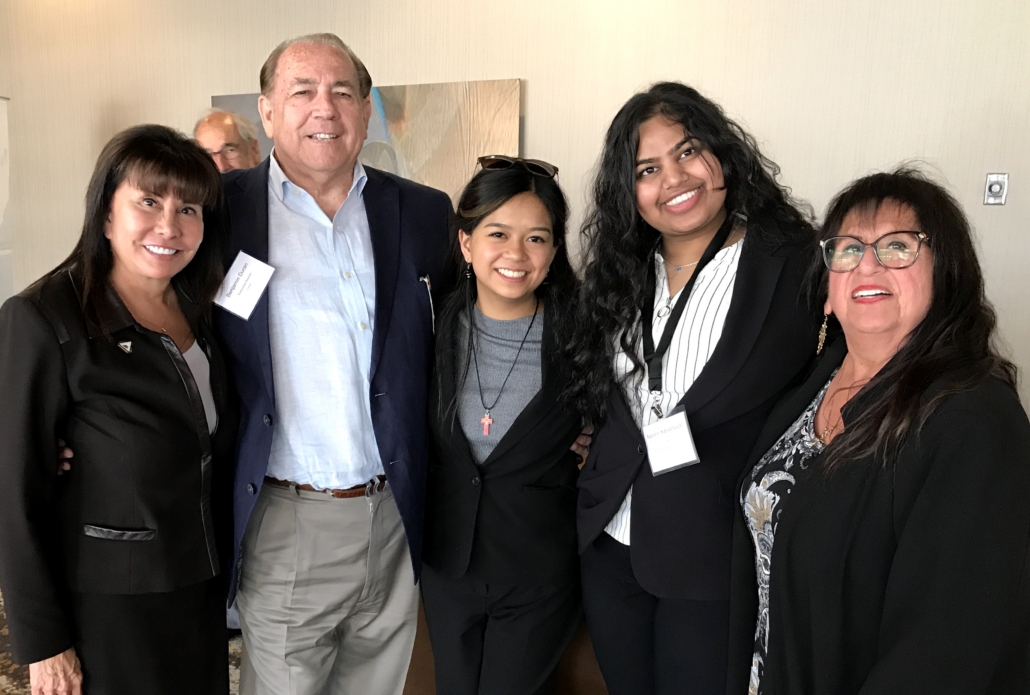
On July 22, 2019, the Central Valley Higher Education Consortium (CVHEC) brought together K–12 and community college leaders for its first Dual Enrollment Convening. This workshop was designed to shine a light on the existing dual enrollment efforts already underway in the Central Valley, identify challenges to expanding these programs, and begin building a shared vision for the future.
During the workshop, participants worked collaboratively to set long-term goals aimed at creating more equitable and accessible opportunities for students across the region.
Expanding strategically designed dual enrollment course offerings and pathways to better serve students and communities.
Increasing the number of high school students participating in dual enrollment throughout the CVHEC region.
Ensuring participation reflects the diversity of the region’s high school population, so every student has access to these opportunities.
Closing equity gaps by reducing disparities in success rates among student groups.
Developing a comprehensive Dual Enrollment Playbook to serve as a resource for CVHEC members, K–12 partners, families, and other stakeholders interested in dual enrollment.
While CVHEC planned to begin developing the playbook in early 2020, the onset of the COVID-19 pandemic required a pause as schools and colleges focused on meeting the immediate and unprecedented challenges.
Fast forward to February 3, 2025, when CVHEC hosted its fourth Dual Enrollment Convening designed to reignite the regional effort. During this event, California Community College Chancellor Sonya Christian shared data showing that dual enrollment participation in the Central Valley is growing at a faster rate than in other parts of the state—a promising sign of progress and collaboration.
With renewed energy and a clear sense of purpose, CVHEC re-launched the Dual Enrollment Playbook project in spring 2025. Initially, the goal was to create a comprehensive guide covering the full range of dual enrollment strategies and practices for our region.
However, with the Career Ladders Project’s publication of the Equitable Dual Enrollment Policy to Practice Guide in February, 2025, much of the foundational components originally planned for this playbook are well addressed in that publication which is in concert with the California Community Colleges.
Rather than duplicating those efforts, CVHEC shifted its focus to chronicling dual enrollment practitioners in our region specifically who have a unique and powerful story to tell. While all CVHEC member colleges are engaged in successful dual enrollment efforts, this publication focuses primarily on the smaller, more rural colleges in our consortium and their K-12 partners. (Exception: San Joaquin Delta College, one of CVHEC’s larger member institutions, was also included to highlight its participation in the Central Valley Math Bridge project introduced last year by College Bridge in partnership with CVHEC and the Rand Corporation at five member colleges and 20 high schools.
This guide’s focus reflects CVHEC’s commitment to sharing strategies that can inspire and support small colleges with limited resources. By centering the experiences of educators, administrators, and community partners, this guide not only celebrates their successes but also underscores the ongoing need for advocacy to expand access and improve outcomes for students across the Central Valley.
CVHEC intends to update this playbook on an annual basis to reflect new dual enrollment data and innovations in ongoing progress throughout the Central Valley.
Dual enrollment provides upward mobility for students in the Central Valley, providing them with free access to college-level courses while still in high school. By accelerating college completion and building a skilled, diverse workforce, dual enrollment strengthens the region’s education-to-career pipeline.
From 2016–2019, more than 120,000 students participated in dual or concurrent enrollment across Central Valley high schools. During this period, the percentage of high school special admits rose by 50.9%, demonstrating the rapid scaling of early college access opportunities (Central Valley Higher Education Consortium, 2020, p. 7). In 2024-25, 139,953 students participated in dual or concurrent enrollment across the Central Valley. All these students are more likely to complete degrees and certificates, saving families money and boosting local workforce readiness (Central Valley Higher Education Consortium, 2020, p. 7).
The economic impact of dual enrollment for the Central Valley cannot be overstated. Based on a statewide economic-impact study for California Community Colleges, “for every $1 of public spending on higher education, taxpayers gain just under $2 in added tax revenue and public-sector savings, such as reduced unemployment and decreased reliance on public assistance” (California Community Colleges Chancellor’s Office [CCCCO], 2025a, 2025b). Dual enrollment plays a critical role in creating this return on investment by enabling students to start college earlier, complete degrees faster, and enter the workforce sooner, ultimately increasing lifetime earnings and generating higher tax contributions.
This is particularly significant in the Central Valley, a region that faces some of the lowest degree-attainment rates and highest poverty levels in California. Many rural communities in the Valley are historically underserved, and families often face financial and geographic barriers to higher education.
CVHEC extends its heartfelt gratitude to the individuals who generously contributed their time, expertise, and insights to the development of this dual enrollment playbook.
This publication represents the collective knowledge and experience of educators, administrators, and community partners who are deeply committed to expanding opportunities for students across the Central Valley. Throughout this process, these dedicated professionals participated in interviews, completed surveys, and provided thoughtful feedback, sharing their successes, challenges, and innovative practices.
Their voices helped shape this guide, ensuring it reflects the realities of both K–12 and higher education systems in our region. By candidly sharing their stories and strategies, these contributors have made it possible to create a resource that is both practical and inspiring, with the potential to support not only CVHEC member institutions but also families, students, and organizations beyond our region.
On behalf of the entire CVHEC team, thank you for your partnership and commitment to student success. Your contributions are a testament to the spirit of collaboration that defines “The Central Valley Way.”
We are proud to recognize the following individuals for their invaluable participation in the development of this playbook:

Richard Aguilar
Director of Dual Enrollment
Reedley College
Sam Aunai
Vice President of Educational Services
Coalinga College
Mike Baldwin
Director of Dual Enrollment
Columbia College
Gretchen Birtwhistle
Career Technical Education Teacher/Coordinator
Sonora High School
Greg Bormann
Vice President of Instruction
Taft College
Christina Braaten
College and Career Specialist
Lemoore High School
Callie Branan
Director of Outreach and Recruitment
Lemoore College
Marni Cahoon
Adjunct Math Faculty
Taft College
Courtney Castle
Counselor/Program Coordinator
Sonora High School
Dr. Lynn Cevallos
President
College Bridge
Brett Christopher
Principal
Summerville High School
Stacey Cool
Program Administrator
Merced Union High School District
Kirstin Coronado
Area Superintendent
Sanger Unified
Kris Costa
Vice President of Educational Services
Lemoore College
Jamee Dahl
College and Career Counselor
Summerville High School
Jon Endicott
Dean of Student Services
Coalinga College
Mary Alice Finn
Principal
Taft High School
Dr. Sandra Fuentes
Dean of Early College
Reedley College
Carmen Garvis
Dual Enrollment Coordinator
Sanger High School
Gloriann Garza
Program Manager
Porterville College
Travis Kirby
Principal
Mendota High School
Dr. Paul Lopez
Superintendent
Mendota High School District
Jaime Lopez
Dean of Instruction
Taft College
Bethany Matos
Dean
Firebaugh Center, Coalinga College
Martin Medina
Principal
Summit Collegiate High School
Dr. Leslie Minor
President
Taft College
Alyssa Mitchell
College and Career Counselor
Lemoore High School
Cindi Olsen
Program Specialist
Columbia College
Lissette Padilla
Director of Dual Enrollment
Coalinga College
James Preston
President
Lemoore College
Dr. Thad Russell
Vice President of Instruction
Porterville College
Reyna Sanchez
Guidance Counselor
Caruthers High School
Jackie Schwegel
Math Faculty
San Joaquin Delta College
Karen Sells
Principal
Sonora High School
Vivie Sinou
Dean of Regional & Distance Education
San Joaquin Delta College
Gregory Soto
Dean of Student Services
Merced College
Martha Stemky
District Leader
Porterville Unified School District
Lorena Villa
Interim Early College Coordinator
Porterville College
Erin Wingfield
Interim Vice President of Student Services
Porterville College
Veronia Zarco
Dean of Counseling
Granite Hills High School
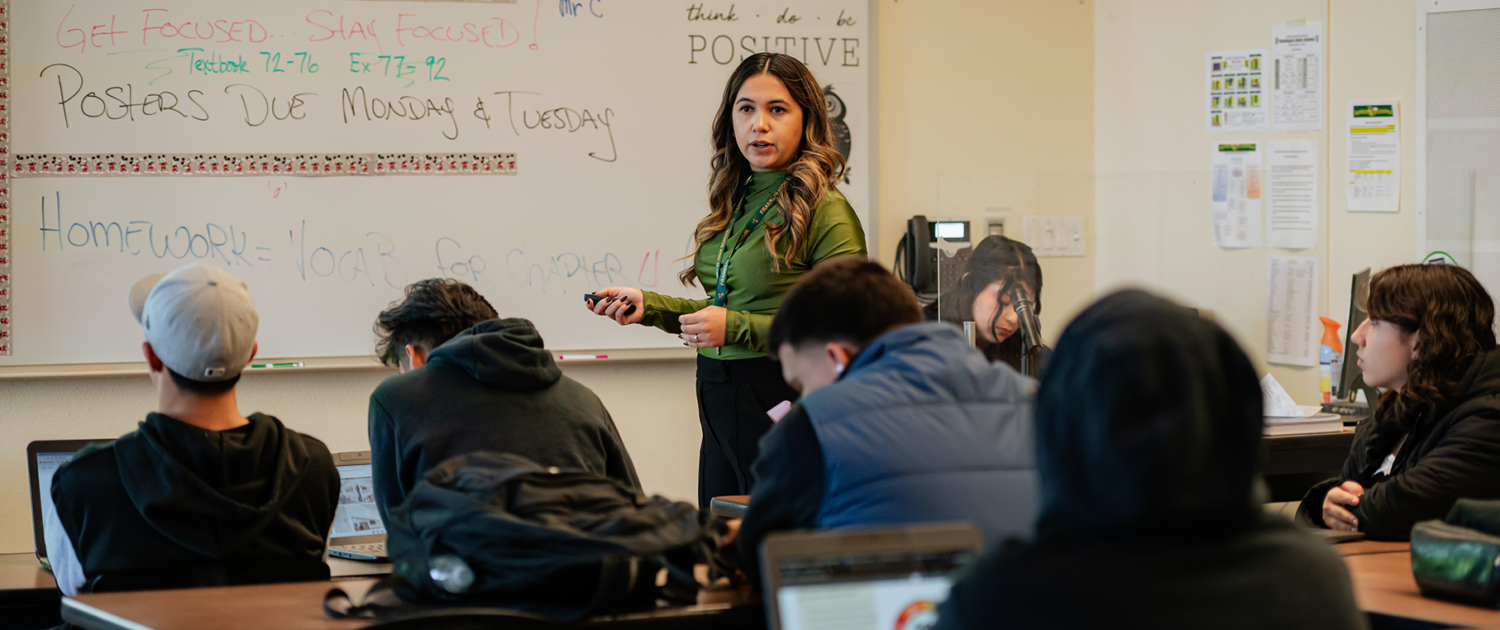
Behind every successful dual enrollment program are real people, real partnerships, and real impact. In this section, we share stories from colleges and their high school partners across the Central Valley who are working together to open doors for students.
These vignettes highlight innovative practices, lessons learned, and the unique challenges and opportunities that come with serving diverse and often rural communities. Each story reflects the dedication and creativity of educators, administrators, and community leaders who believe in the power of early college access to transform lives.
LESSONS AND STRATEGIES FROM THE CENTRAL VALLEY